As vibrant fall colors fade and winter approaches, savvy homeowners know that protecting their outdoor spaces goes beyond just raking leaves and packing up summer furnishings. A critical but often overlooked part of landscaping design and lawn care is the fall mulch refresh—a strategic process with wide-reaching benefits that safeguard your plants, soil, and lawn through the harsh winter months. When done right, it also elevates your property’s curb appeal while simplifying spring cleanup.
This comprehensive guide explores the why, when, and how of refreshing your mulch in fall, detailing how to implement effective landscaping edging and integrate mulch into your lawn care regimen so your yard emerges healthier, stronger, and more vibrant when spring arrives.
Why a Fall Mulch Refresh is Essential for Winter Landscaping Design
Mulching is well-known as a spring and summer practice for moisture retention and weed control, but redistributing or replenishing mulch in the fall offers benefits that critically improve your landscaping design’s resilience during winter.
- Insulates Soil and Roots: Fresh mulch acts as a thermal blanket to moderate soil temperature swings, protecting root systems from freeze-thaw cycles that can cause damage.
- Prevents Soil Erosion: Mulching guards against heavy rain and melting snow runoff, preserving your landscaping edging and minimizing soil displacement.
- Suppresses Weeds and Pests: A renewed layer limits overwintering weeds and disrupts some pest habitats.
- Improves Moisture Regulation: Mulch reduces evaporation in late fall and conserves essential moisture for early spring growth.
- Enhances Aesthetic Appeal: A fresh layer creates clean, defined bed edges and elevates the visual harmony of your landscaping design.
Neglecting this step leaves your garden beds and lawn vulnerable to winter stress, leading to higher maintenance and repair costs in the spring.
The Role of Mulching in Overall Lawn Care
A proper layer of mulch directly supports your lawn care by improving soil health, promoting healthy root growth, and reducing weed pressure, creating the foundation for a beautiful and thriving yard year-round.
- Mulch adds organic matter as it decomposes, enriching landscaping design and soil quality.
- It maintains ideal moisture levels, crucial for cooler-season turfgrass health.
- By preventing weed seed germination, mulch reduces competition for valuable nutrients.
- In winter, it protects delicate grass roots near landscaping edging from frost damage.
Regular mulch refreshes align perfectly with lawn maintenance schedules, ensuring consistent care through every season and supporting a strong landscaping design.
When to Refresh Mulch for Maximum Benefit
Timing matters. The ideal window for a fall mulch refresh depends on your climate and local frost dates but generally falls between early October and late November before the first hard freeze.
- Early enough to retain warmth and moisture during chilly nights.
- Late enough to avoid premature decomposition before the deep cold.
- Allows mulch to settle and establish before heavy snow or ice.
For areas with heavy snowfall, applying mulch before consistent snow cover helps insulation but avoid mulching too late or with frozen ground.
How to Execute a Fall Mulch Refresh Perfectly
Refreshing your mulch involves not just adding new material but prepping your beds and edges to promote healthy soil and prevent disease, which is essential for a strong landscaping design.
Step 1: Clear Away Old Mulch and Debris
- Rake or use a garden fork to remove old, compacted mulch layers.
- Clean out fallen leaves, weeds, and dead plant material carefully.
- Removing old mulch reduces mold buildup and pest shelter.
Step 2: Inspect and Repair Landscaping Edging
- Check that your landscaping edging (metal, stone, plastic, or wood) remains intact and flush with soil.
- Adjust or reinstall edging to create clean separation between lawns and beds.
- Proper edging prevents mulch from spilling and keeps beds looking neat.
Step 3: Prepare the Soil Bed
- Lightly till or aerate soil to loosen compacted areas.
- If needed, apply organic compost or soil conditioner.
- Ensure bed contours provide adequate drainage.
Step 4: Select the Right Mulch Type
- Choose shredded hardwood or natural bark mulch for best winter endurance.
- Avoid mulch that breaks down too quickly or floats away easily.
- Colored mulch can add vibrant contrast to fall landscapes, but opt for quality, non-toxic products.
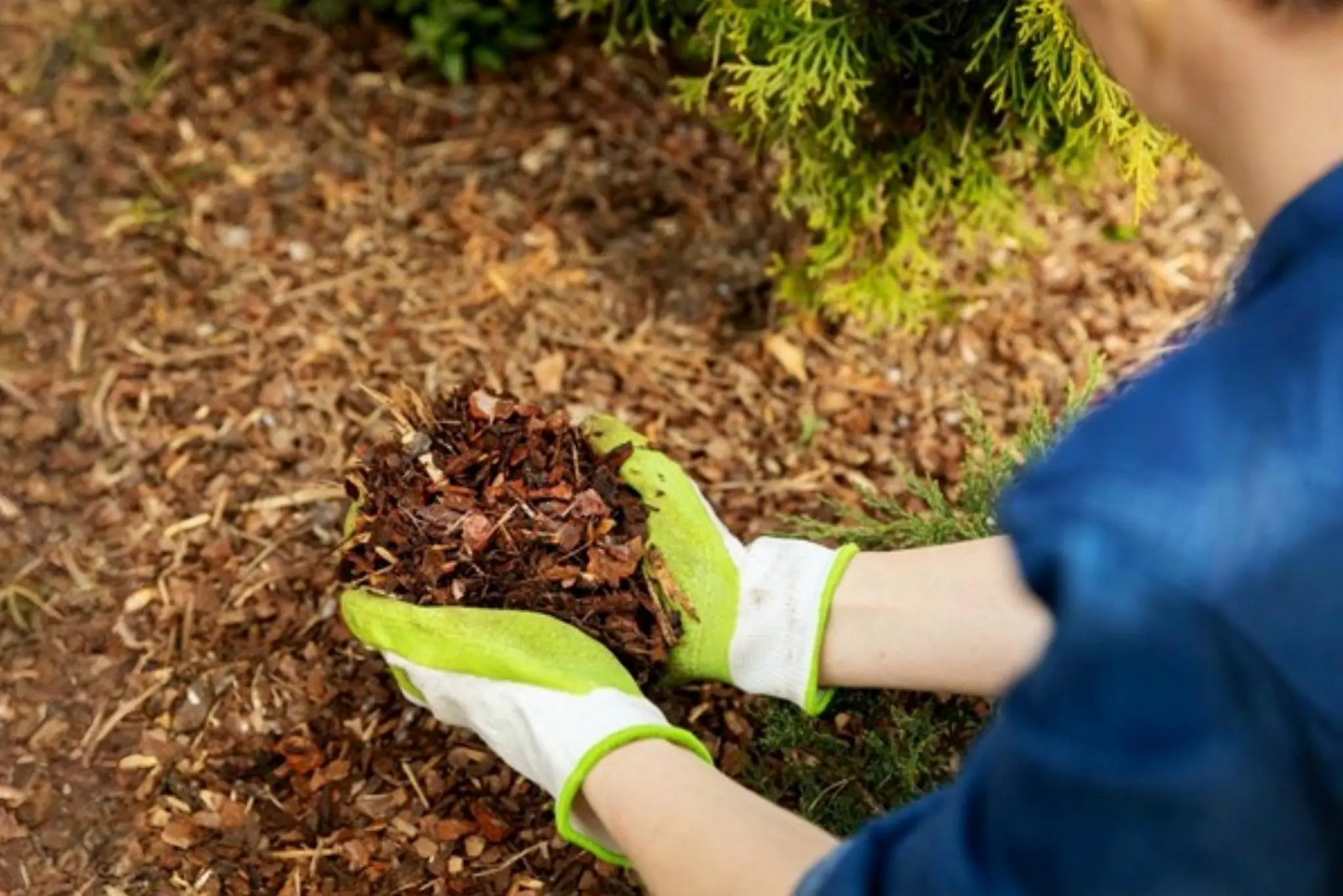
Step 5: Apply Mulch Layer Correctly
- Spread mulch evenly to a depth of 2 to 4 inches.
- Avoid piling mulch directly against stems or tree trunks to prevent rot.
- Smooth and tamp mulch lightly but keep a fluffy texture for air circulation.
Landscaping Edging and Mulch: A Perfect Pairing
Clean, well-maintained landscaping edging transforms the mulch refresh from functional to visually striking, enhancing the overall landscaping design.
- Creates crisp boundaries that define garden beds from lawn areas.
- Prevents mulch migration, reducing frequent touch-ups.
- Enhances weed and grass control by creating physical separation.
- Allows easier mowing and lawn care around beds, minimizing damage.
- Various materials let you tailor the aesthetic—from rustic stone to modern metal.
Regular inspection and upkeep of edging during your fall yard maintenance help prolong its lifespan and improve overall landscape design.
Common Mistakes to Avoid During Fall Mulch Refresh
- Over-applying mulch excessively thick layers can suffocate roots and cause mold.
- Neglecting to clear old mulch leads to poor drainage and disease buildup.
- Poor edging allows mulch to spill onto the lawn, requiring more frequent cleanup.
- Applying mulch directly against tree or shrub trunks increases risk of rot.
- Using inappropriate mulch types prone to quick decay or washing away.
Following these guidelines ensures your mulch refresh maximizes benefits rather than invites problems.
Mulch as a Winter Protection Strategy within Holistic Lawn Care
Effective lawn care embraces seasonal strategies. The fall mulch refresh plays a foundational role by:
- Building soil health over time, supporting resilient turfgrass.
- Regulating ground temperature to reduce frost damage.
- Minimizing winter weed growth pressure on your lawn.
- Supporting beneficial insects and microorganisms that jump-start spring growth.
Pair your mulch refresh with fall aeration, fertilization, and overseeding for a comprehensive lawn care program that sets your yard up for success.
Additional Landscaping Design Tips for Winter-Ready Beds
- Choose hardy perennials and evergreens that thrive under mulch protection, supporting a strong landscaping design.
- Incorporate decorative hardscaping such as stones or gravel near edging for extra durability.
- Use mulch in combination with winter ground covers for layered protection.
- Lighting can highlight refreshed beds, creating aesthetic appeal and safety during darker months.
Eco-Friendly Mulch Options Worth Considering
If sustainability matters to you, organic mulches like pine needles, shredded leaves, or cocoa hulls serve dual purposes:
- They return nutrients to the soil naturally.
- Often sourced locally, reducing carbon footprint.
- Lighter textures help airflow and reduce compaction.
- Some types repel common pests or reduce fungus growth.
Consult with local lawn care experts for recommendations tailored to your area’s ecosystem.
How Professionals Can Help with Your Fall Mulch Refresh
While a DIY approach is rewarding, professional landscaping crews bring:
- Expertise in choosing the right mulch and edging materials for your climate.
- Equipment for removing old mulch and prepping soil efficiently.
- Precision in application to avoid common errors.
- Post-refresh cleanup and winterization services.
Partnering with a trusted lawn care company ensures a thorough mulch refresh and expert maintenance throughout the fall and winter.
Frequently Asked Questions: Fall Mulch Refresh and Lawn Care
1. How often should I refresh mulch around my yard?
Most yards benefit from a mulch refresh annually each fall to maintain protection, appearance, and overall landscaping design.
2. Can mulch attract pests during winter?
When properly applied and kept away from plant stems, mulch generally deters pests rather than attracts them.
3. Is it necessary to remove all old mulch before adding new?
It’s best to remove compacted or moldy old mulch to allow fresh mulch to breathe, but partial blending may be acceptable if old mulch is still healthy.
4. How does landscape edging improve mulch performance?
Edging confines mulch beds, improves weed control, protects lawn integrity, and minimizes maintenance workloads.
Conclusion: Protect Your Lawn with Smart Landscaping Design
Prepare your yard now for the challenges of winter and give your lawn the strongest foundation for spring growth. Refresh your mulch, repair your landscaping edging, and apply expert lawn care practices before the freeze hits. A timely fall mulch refresh protects your soil, prevents weed growth, and improves drainage—key for healthy spring recovery.
Whether you prefer a hands-on approach or want Hawkins Landscaping Inc. to handle everything with precision, now is the time to act. Their team delivers professional mulch installation, durable edging work, custom landscaping design, and flexible financing options to make your project easier and more affordable.
Don’t wait—schedule your fall mulch and edging service today and enjoy a healthier, more beautiful yard come spring.
Call (301) 898-9733 or visit hawkinslandscaping.com today.
Protect your investment with smart, seasonal landscaping design—done right the first time!