When the new year begins, many homeowners focus on resolutions for their home interior — but outdoor spaces deserve the same attention, especially when poor water flow calls for effective drainage solutions. If your yard has puddles after every rain, thinning grass patches, or eroded soil, it’s time to look below the surface. Proper drainage isn’t just about keeping water away; it’s about protecting your landscaping and lawn while improving long-term property value.
As 2026 begins, upgrading your drainage system can be one of the smartest lawn care investments you make. Whether through fresh landscaping design, soil improvements, or new drainage solutions, you’ll prevent flooding, strengthen your lawn, and make your yard more enjoyable all year long.

Why Drainage Solutions Matter
Water can be both a friend and an enemy to your yard. While plants and grass need it to grow, too much water can drown roots, breed pests, and destroy your landscaping work without proper drainage solutions in place.
Here’s why improving drainage should be one of your top priorities this year:
- Protects your foundation and home structure. Poor drainage can lead to basement leaks, cracks, and mold growth.
- Prevents lawn erosion and disease. Standing water weakens soil and encourages fungi.
- Improves soil health. Balanced water flow helps nutrients reach roots effectively.
- Enhances your landscaping design. Smart drainage can become part of your yard’s overall style and layout.
- Reduces maintenance long-term. Once water flows where it should, you’ll deal with fewer repairs and less mowing stress.
In short, addressing drainage issues protects your investment — your home, your lawn, and your peace of mind.
Signs Your Yard Needs a Drainage Upgrade
You might not need to dig to know you have a problem. Visual cues tell the story when effective drainage solutions are missing:
- Puddles that linger more than a day after rain.
- Yellowing or dying grass from waterlogged soil.
- Moss or algae growth where grass refuses to thrive.
- Erosion or uneven soil around garden beds or walkways.
- Basement moisture or muddy foundations.
These symptoms show that your yard lacks proper grading or water redirection. Even the best landscaping design can’t thrive unless the drainage works properly below the surface.
How Drainage Affects Landscaping and Lawn Care
Your yard’s health depends on balance. Too much water suffocates roots; too little causes wilting and dust. Drainage upgrades ensure consistent, healthy growth by guiding water where it benefits your plants most, which is why reliable drainage solutions play a key role in long-term lawn care success.
Here’s how smart drainage supports your landscaping and lawn care:
- Prevents soil compaction. Standing water compresses soil, blocking airflow needed by roots.
- Keeps fertilizers effective. Good drainage prevents nutrients from washing away.
- Supports even grass growth. Water distributed evenly means fewer patchy areas.
- Improves landscape stability. Rocks, mulch, and edging materials remain in place when water moves correctly.
In essence, improving drainage boosts the health and appearance of your entire outdoor environment.
Types of Drainage Systems for a Healthier Lawn
Modern landscaping design offers more than one way to solve water issues with effective drainage solutions The right drainage system depends on your soil type, yard slope, and rainfall pattern.
1. French Drains
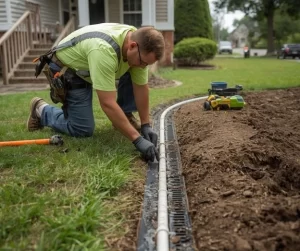
A classic and effective option, French drains consist of gravel-filled trenches containing perforated pipes. They collect and redirect excess water away from saturated areas. Ideal for sloped yards or places where water pools frequently.
2. Dry Wells
Dry wells collect water and allow it to naturally seep into the ground over time. They’re eco-friendly and useful where soil absorption is slow.
3. Channel Drains
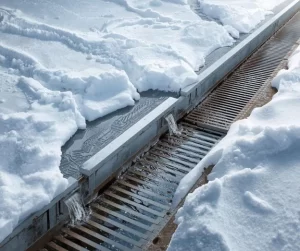
Perfect around driveways and patios, these drains capture surface water quickly and direct it into underground piping.
4. Rain Gardens
Rain gardens blend beauty with functionality. They use deep-rooted native plants and special soil layers to absorb excess water naturally. This eco-friendly option enhances your landscaping design while solving water problems.
5. Grading and Sloping Adjustments
Sometimes, the simplest fix is leveling the yard properly. A slight slope away from your house ensures water drains naturally without pooling near foundations.
6. Gutter Extensions
If downspouts end too close to the house, extensions can divert water several feet away, protecting both your lawn and your home.
Integrating Drainage into Your Landscaping Design
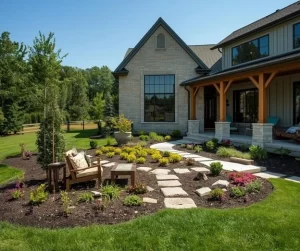
A well-planned landscaping design hides or decorates drainage solutions so they blend harmoniously with the yard. Water solutions don’t have to look industrial — they can actually become design highlights.
Here are creative ways to merge drainage with beauty:
- Create decorative rock streams that guide runoff through the garden.
- Build small retaining walls to control slopes while adding structure.
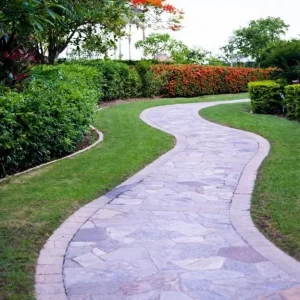
- Install stepping-stone paths that guide water through permeable gaps.
- Use gravel or river rock beds to allow infiltration and add texture.
- Integrate a rain garden or bioswale in a low-lying area for both utility and color.
Good landscaping makes water management invisible yet effective. The result: a beautiful, functional, and long-lasting outdoor space.
Improving Soil Drainage Naturally
Sometimes you don’t need to install new systems — just improve the soil. Healthy soil manages water more effectively.
- Add organic matter. Compost or mulch increases soil’s ability to absorb and retain balanced moisture.
- Aerate your lawn. Aeration allows air and water to penetrate compact soil.
- Choose grass varieties suited to your area. Native grasses handle local rainfall better and reduce waterlogging.
- Regrade problem areas. Even minor reshaping can redirect flow.
Combining soil health with lawn care practices like aeration and overseeding ensures drainage improvements last for years.
Common Yard Drainage Mistakes to Avoid
When planning upgrades, avoid these frequent errors that can make matters worse:
- Ignoring the slope. Every yard needs at least a slight grade away from the house.
- Using non-permeable materials. Concrete traps water; opt for permeable pavers instead.
- Forgetting maintenance. Leaves and debris can clog French drains and gutters quickly.
- Installing shallow pipes. Pipes must be deep enough to manage frost and consistent flow.
- Neglecting professional input. For complex systems, expert installers ensure long-term success.
Avoiding these pitfalls safeguards your landscaping and lawn improvements from future water woes.
Lawn Care Tips After Drainage Improvements
Once your drainage system is upgraded, it’s time to care for your rejuvenated lawn. Proper aftercare helps your yard thrive.
- Topdress with organic soil and compost to help roots recover.
- Reseed thin areas where drainage work disturbed grass.
- Water wisely — allow the new system to do its job by avoiding overwatering.
- Mow high to encourage deep root development.
- Fertilize lightly so new grass doesn’t burn or wash away nutrients.
Your lawn will quickly rebound, glowing healthier than before thanks to improved water balance.
Eco-Friendly and Sustainable Drainage Solutions
Environmentally mindful homeowners are prioritizing drainage solutions that benefit both their yards and the planet. Sustainable options in landscaping design are taking center stage in 2026.
- Rain barrels collect water from roofs to reuse for plant watering.
- Permeable pavers allow natural infiltration instead of runoff.
- Rain gardens provide habitat for pollinators while solving waterlogging.
- Native plants reduce irrigation needs.
- Bioswales filter pollutants from stormwater before it enters public systems.
These eco-conscious upgrades save water, strengthen your lawn, and preserve local ecosystems — all while keeping your property beautiful.
DIY vs. Professional Drainage Installation
If your drainage solutions needs are small — like gutters or shallow puddles — a DIY fix might work. But for complex problems, professional help is worth every dollar.
DIY options include:
- Building small rock swales or shallow trenches.
- Installing gutter downspout extensions.
- Adding mulch and aerating soil.
Professional services handle:
- Underground drain pipes and slope correction.
- Retaining walls and full yard grading.
- Large-scale water redirection and erosion control.
Professionals use precise equipment to measure slope and water flow, ensuring lasting results and protecting your landscaping and lawn investment.
Combining Drainage Upgrades with New Landscaping Projects
Since drainage solutions often involve digging, regrading, or moving soil, it’s smart to combine them with other landscaping design plans.
- Adding a new patio? Install channel drains while it’s under construction.
- Planning flower beds? Include drainage trenches beneath them.
- Building a retaining wall? Integrate weep holes to relieve pressure.
Pairing upgrades saves time, improves efficiency, and keeps your landscaping cohesive. Plus, tackling projects together avoids tearing up your lawn twice.
Preparing for Changing Weather in 2026
Climate changes are bringing more unpredictable rainfall patterns. That’s why 2026 is the perfect year to upgrade your drainage for long-term resilience.
Anticipating these weather shifts now prevents flooding, erosion, and costly lawn care repairs later. Forward-thinking landscaping design balances efficiency, durability, and style — keeping your yard ready for every season’s surprises.
Conclusion: Upgrade Your Yard with Expert Drainage Solutions
Don’t wait for the next downpour to reveal hidden drainage problems beneath your lawn—the start of the year is the perfect time to act. Poor drainage can lead to soggy soil, damaged turf, erosion, and costly long-term issues if left unaddressed.
Hawkins Landscaping Inc., proudly serving Frederick County and surrounding areas for over 50 years, provides expert drainage solutions, grading, French drain installation, and complete landscaping design renovations tailored to your property’s unique conditions. Their experienced team evaluates your yard, identifies problem areas, and designs practical, long-lasting solutions that protect your lawn, landscape, and home investment. Flexible financing options are available to help you move forward with confidence.
Call (301) 898-3615 or visit hawkinslandscaping.com today.
Start the new year with a healthy, dry, and beautiful outdoor space—and enjoy peace of mind, stronger soil, and a vibrant lawn all year long with Hawkins Landscaping Inc., your trusted local landscaping and drainage experts.