Choosing the right fencing material is a critical decision that affects your property’s appearance, security, maintenance, and overall value. The fence you select not only defines boundaries but also contributes to curb appeal, privacy, and safety for your family and pets.
With so many options available, it’s essential to consider both short-term and long-term factors—including how the material will perform in your climate, how much upkeep it will require, and how well it will complement your home’s architectural style.
Wood, vinyl, and metal are among the most popular fencing options, each offering distinct advantages and drawbacks. From the natural charm and customizability of wood, to the low-maintenance durability of vinyl, to the strength and security of metal, these materials serve different priorities and preferences.
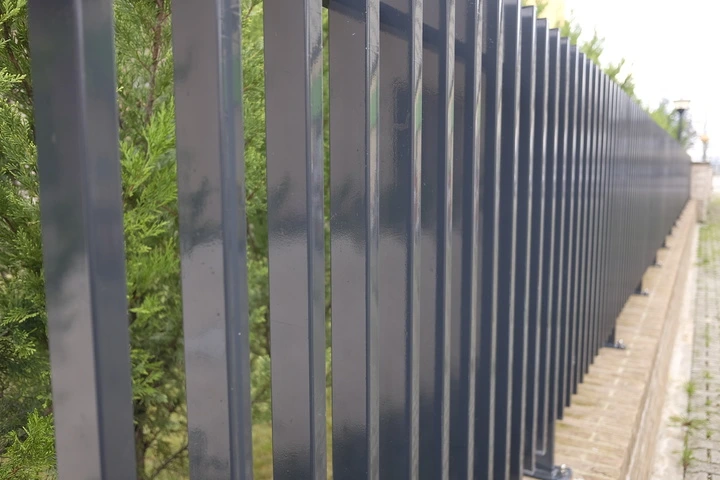
Fence Materials Compared: Wood, Vinyl, and Metal
1. Wood Fencing: Classic Beauty with Customization
Wood fences have been a traditional choice for centuries, prized for their natural look and versatility. A wood fence remains one of the most common picks for homeowners who value charm, affordability, and customization.
Advantages of Wood Fencing
- Aesthetic Appeal: Wood offers a warm, natural appearance that complements almost any home style, from rustic cabins to modern houses. It can be painted or stained in any color, allowing for extensive customization in design, height, and spacing between pickets.
- Customization: Wood is easy to cut and shape, making it ideal for custom designs, including privacy fences, picket fences, and decorative panels.
- Affordability: Wood is generally less expensive upfront compared to vinyl and metal, especially when using common species like pine or cedar.
- Eco-Friendly: When sourced responsibly, wood is a renewable resource and biodegradable, making it an environmentally friendly option compared to synthetic materials.
Disadvantages of Wood Fencing
- Maintenance: Wood requires regular upkeep, including staining or painting every few years to protect against weather damage, rot, and insect infestation. Without maintenance, wood fences can warp, crack, or decay.
- Durability: Wood is susceptible to moisture, pests like termites, and UV damage, which can shorten its lifespan. Typically, wood fences last 10-20 years depending on climate and care.
- Pest Vulnerability: Wood fences can be damaged by carpenter ants, termites, and other insects, necessitating treatments and inspections.
2. Vinyl Fencing: Low Maintenance and Long Lasting
Vinyl fencing is a modern alternative that has gained popularity for its durability and ease of care. A vinyl fence is often chosen by homeowners who want a clean look with minimal upkeep and long-lasting performance.
Advantages of Vinyl Fencing
- Low Maintenance: Vinyl fences do not rot, warp, or get eaten by pests. They require no painting or staining and can be cleaned easily with soap and water.
- Durability: Vinyl is resistant to weather, UV rays, and moisture, often lasting 20-30 years or more with minimal upkeep.
- Aesthetic Variety: While vinyl offers fewer customization options than wood, it is available in various colors, textures, and styles, including privacy and picket fence designs.
- Privacy: Vinyl fences are excellent for privacy since they can be installed without gaps between panels.
- Sustainability: Vinyl fences are sustainable in the sense that they don’t need frequent replacement, reducing waste over time.
Disadvantages of Vinyl Fencing
- Higher Initial Cost: Vinyl fences usually cost more upfront than wood, though lower maintenance costs can offset this over time.
- Limited Customization: Vinyl comes in fewer colors and styles compared to wood. Also, vinyl can be difficult to modify once installed.
- Potential for Damage: While durable, vinyl can crack or become brittle in extremely cold weather or under heavy impact.
- Environmental Concerns: Vinyl is a plastic product, and its production and disposal have environmental impacts, though it lasts long enough to mitigate frequent replacement.
3. Metal Fencing: Strength, Security, and Longevity
Metal fences, including aluminum, wrought iron, and steel, are known for their strength and security. A metal fence is a reliable option for homeowners who want durability, protection, and timeless style.
Advantages of Metal Fencing
- Durability: Metal fences are highly durable and can last 30 years or more. Aluminum resists rust, while steel and wrought iron require protective coatings to prevent corrosion.
- Security: Metal fences offer superior security due to their strength and ability to be designed with pointed tops or tight spacing to deter intruders.
- Low Maintenance: Aluminum fences especially require little maintenance beyond occasional cleaning. Protective coatings help prevent rust and corrosion on steel and iron fences.
- Aesthetic Appeal: Metal fences provide a sleek, modern look and can be crafted into intricate designs, enhancing curb appeal.
Disadvantages of Metal Fencing
- Higher Cost: Metal fences are generally the most expensive option upfront, especially wrought iron and steel..
- Rust Issues: Without proper coatings, steel and iron fences can rust, requiring maintenance or repainting.
- Less Privacy: Metal fences usually do not provide full privacy unless combined with other materials or landscaping.
- Installation Complexity: Metal fences often require professional installation due to weight and complexity.
Cost Comparison of Fence Materials (based on national averages)
When comparing materials, it’s important to look at both upfront costs and long-term expenses. The cost of a fence depends on the material, installation, and future maintenance, which all affect overall value.
Material | Initial Cost (per linear foot) | Maintenance Cost | Longevity |
Wood | $13 – $19 | High (staining, repairs) | 10-20 years |
Vinyl | $20 – $30 | Low (cleaning only) | 20-30+ years |
Aluminum | $24 – $32 | Low (occasional cleaning) | 30+ years |
Steel/Wrought Iron | $30 – $50+ | Moderate (rust prevention) | 30+ years |
Wood is generally the most affordable upfront but incurs higher maintenance costs. Vinyl and metal have higher initial costs but lower maintenance expenses and longer lifespans, often making them more cost-effective over time.
Fence Maintenance Overview
Material | Maintenance Needs |
Wood | Annual inspections, staining/painting every 2-3 years, pest control |
Vinyl | Occasional washing, inspection for cracks or damage |
Metal | Cleaning, rust prevention coatings for steel/iron, repainting as needed |
Vinyl and aluminum fences are the easiest to maintain, requiring minimal effort beyond cleaning. Wood demands the most upkeep to prevent decay and insect damage. Steel and wrought iron require rust protection but are otherwise low maintenance.
Fence Aesthetic and Design Flexibility
- Wood: Offers the widest range of styles, colors, and finishes. Easily customized with paint or stain and adaptable to various architectural styles.
- Vinyl: Available in limited colors and styles but designed to mimic wood grain or other textures. Less customizable after installation.
- Metal: Provides elegant, modern, or traditional looks with intricate designs possible. Usually limited to darker or metallic finishes.
Environmental Impact
Each type of fence has a different environmental footprint, from production to disposal.
- Wood: Renewable and biodegradable, but requires chemical treatments for durability.
- Vinyl: Made from PVC, a plastic with environmental concerns related to production and disposal.
- Metal: Recyclable and durable, but energy-intensive to produce.
Choosing sustainably sourced wood or recycled metal can reduce environmental footprint.
Conclusion: Which Fence Material is Best?
Choose Wood if: You want a classic, natural look that blends seamlessly with your landscape and offers high customization potential. Wood fencing allows for a variety of designs, heights, and finishes—from rustic picket fences to tall privacy panels. It’s ideal for homeowners who enjoy hands-on projects or want to personalize their fence with custom staining, painting, or decorative elements.
Keep in mind, however, that wood requires ongoing care—regular staining, sealing, and inspections—to protect against weathering, rot, and pests. If you’re willing to invest time and effort in maintenance, wood provides unmatched warmth and character.
Choose Vinyl if: You prefer a low-maintenance, durable fence that offers excellent privacy and a clean, uniform appearance. Vinyl is ideal for busy homeowners who want a fence that looks good year-round with minimal upkeep. It resists rot, insects, and weather damage, requiring only occasional washing to maintain its appearance.
While vinyl costs more initially, its long lifespan and minimal maintenance needs make it a cost-effective option over time. Vinyl is available in a range of colors and styles, though it offers less flexibility for customization after installation.
Choose Metal if: You prioritize strength, security, longevity, and a sleek aesthetic. Metal fencing—whether aluminum, steel, or wrought iron—is perfect for those seeking superior protection, durability, and timeless elegance. It’s especially suited for properties where security is a top concern, as metal fences can be designed with tight spacing and pointed tops to deter intruders.
Though the upfront investment is higher, metal fences offer decades of service with minimal maintenance, especially when treated for rust resistance. Their refined appearance can enhance both traditional and modern homes, adding lasting value to your property.
Hawkins Landscaping Inc.: Your Local Fence Experts
Each material has its place depending on your budget, style preference, maintenance willingness, and functional needs. It’s important to think not just about appearance and cost, but also about how the fence will perform in your climate and how much effort you’re willing to dedicate to its upkeep. Consulting with a fencing professional can help tailor the choice to your property and lifestyle.
An expert can assess your site conditions, recommend suitable materials, and design a solution that balances aesthetics, performance, and long-term value—ensuring that your fence meets your goals for beauty, security, and durability.
Hawkins Landscaping Inc. is your trusted local expert for fence design, installation, and maintenance. With decades of experience serving Frederick County and surrounding areas, our team is committed to providing top-quality materials, skilled craftsmanship, and personalized service that enhances the beauty, security, and value of your property. Whether you’re looking for a timeless wood fence, durable vinyl, or strong metal solution, we can bring your vision to life.
Visit us at www.hawkinslandscaping.com or call (301) 898-3615 to schedule a consultation today. Let Hawkins Landscaping Inc. help you create a fence that stands the test of time!