As spring approaches, it’s the perfect time to refresh your outdoor space and bring life back to your landscape through thoughtful landscaping design. While most homeowners focus on flowers and mowing schedules, one area that often gets overlooked is water features. Whether you have a pond, fountain, waterfall, or decorative stream, giving it proper attention before spring helps it run smoothly and look stunning all season long.
Winter leaves behind debris, algae, and sometimes even damage that can affect how your water feature functions. But with thoughtful landscaping design and preparation, you can transform your pond or fountain into the centerpiece of your yard once again. More importantly, you can improve drainage for your yard, protect surrounding hardscapes, and enhance your overall outdoor experience.
This guide walks you through exactly how to get your water features spring-ready—plus smart ideas that connect them to your full landscaping design plan.
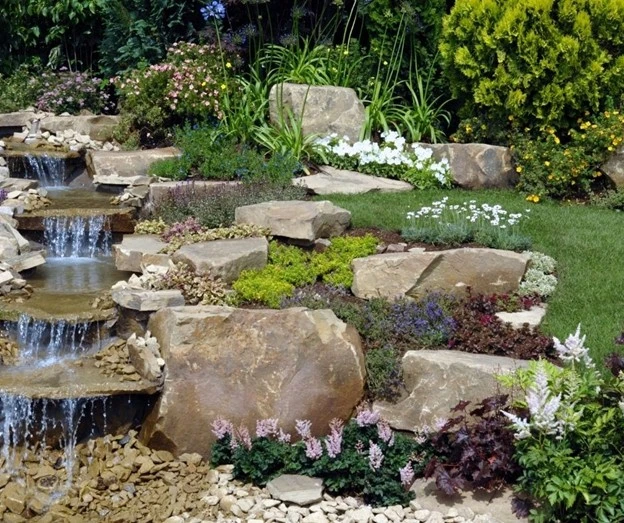
Why Water Features Need Extra Attention in Spring Landscaping Design
Over the winter, water features sit dormant. Cold weather, falling leaves, and freezing cycles take their toll. Pumps can clog, algae can bloom, and rocks can shift. When spring arrives and the temperatures rise, these systems suddenly become active again, often revealing damage or buildup that impacts your overall landscaping design.
Spring is the best time to:
- Clean and inspect your fountains, ponds, and waterfalls
- Adjust landscaping around the water feature
- Refresh or repair the hardscapes construction nearby
- Re-establish good drainage for your yard
- Reconnect your water feature to your spring lawn care plan
A well-designed approach makes your water feature look better and work more efficiently, saving you maintenance headaches later.
Step 1: Start with a Thorough Clean-Up
Before making design changes, start by cleaning your water feature as part of a thoughtful landscaping design approach. Remove debris, old leaves, and any leftover algae buildup. A clean start ensures clear water flow and prevents clogging.
Here’s a simple checklist:
- Drain or partially drain your pond or fountain.
- Remove debris using a skimmer net or pond vacuum.
- Scrub rocks and liners gently to remove residue and algae.
- Check your filtration system and replace filters if necessary.
- Inspect the pump for dirt clogs, cracks, or signs of wear.
This process also allows you to spot any new issues that might threaten your system, such as small leaks or shifting stones due to frost movement.
If you find recurring debris issues, consider adding better landscape drainage solutions. Standing water or soil runoff could be feeding debris into your water feature.
Step 2: Improve Drainage for Your Yard and Water Features
Good water flow is crucial to the health of your feature and surrounding landscape, especially when your landscaping design includes ponds or fountains. When drainage is poor, dirt and fertilizer runoff cloud your pond water, and pooling around the edges can erode nearby soil and hardscapes construction.
Here are some smart drainage improvements:
- Install a French drain to carry excess water away.
- Add gravel or river rock borders around ponds to filter water naturally.
- Regrade the soil slightly so surface water flows away from hardscape edges.
- Use rain gardens to absorb runoff near fountains or streams.
By improving drainage for your yard, you also support your lawn’s health. Grass that consistently sits in wet ground can suffocate, leading to patchy or muddy areas. A drainage expert can assess your slope and soil type to recommend the best solution.
Step 3: Tune-Up Pumps, Filters, and Plumbing
Once your feature is clean and dry, focus on its mechanical parts. Pumps and filters often accumulate buildup during winter. Without inspection, they may run inefficiently or fail when restarted.
Check for:
- Clogged intake lines
- Worn or brittle seals
- Cracked tubing
- Filter blockages
Replace any worn components immediately. Running your system with damaged parts risks more expensive repairs later.
Also, if your water feature connects to irrigation or lawn care systems, make sure those connections are watertight. Leaks can waste water and lead to excess moisture around hardscape structures such as patios or walkways.
Step 4: Refresh the Landscaping Around the Water Feature
A water feature looks its best when surrounded by lush, healthy greenery. Spring landscaping is about balance—mixing visual appeal with practical landscaping design.
Ideas to enhance your spring landscape design:
- Use native plants that thrive around moist conditions near ponds or fountains.
- Add mulch or decorative gravel to prevent soil washing into your water.
- Create plant layers—tall ornamental grasses in back, blooming perennials in front.
- Use stone edging or paver borders to define the space and add structure.
- Update nearby hardscapes construction, like seating walls or stepping paths, for a fresh look.
Planting strategically also helps control runoff and supports better drainage for your yard. Deep-rooted plants hold soil in place while absorbing excess moisture—a natural, sustainable way to protect your landscape.
Step 5: Inspect Hardscapes and Retaining Walls
Hardscape elements like patios, retaining walls, and stone borders add beauty and structure to your landscape, but they can take a beating through winter months. Moisture and temperature swings cause cracks, stains, and shifting stones.
As you prepare your water features, check nearby hardscapes construction for:
- Cracks or chipped stones
- Pooling water at edges
- Loose joints or sinking pavers
- Algae or mildew buildup
Repair any damage now before the issue expands. Consider sealing your stone or concrete features to protect them from spring rain and UV exposure.
A drainage specialist can also integrate your hardscapes with smart water management—ensuring pathways or walls don’t trap water where it shouldn’t collect.
Step 6: Refill and Balance Your Water
With everything cleaned and inspected, refill your pond or fountain as part of a smart landscaping design plan. Avoid using chlorinated tap water directly if possible, as it can harm fish or beneficial bacteria.
When filling:
- Use a dechlorinator treatment if you depend on tap water.
- Check pH levels (between 6.5 and 8.5 is ideal).
- Add beneficial bacteria to keep water clear.
- Watch for leaks as it fills.
This step ensures a clear and safe environment for plants and wildlife—and keeps pumps running efficiently. If your water seems cloudy in a few days, excess debris or runoff could be the culprit. Double-check that your drainage for yard areas prevent unwanted water from entering your pond system.
Step 7: Spring Landscaping Design for Your Water Features
Spring isn’t just about cleaning up—it’s also the perfect opportunity to enhance your landscaping design. Consider how your water feature fits with the rest of your outdoor layout.
Think about:
- Walkways leading to your pond or fountain
- Seating areas nearby for relaxation
- Lighting upgrades to highlight water movement at night
- Plant colors that complement the feature’s natural tones
Adding or upgrading hardscapes construction around your water feature boosts both usability and curb appeal. For example, a custom stone walkway with embedded lighting invites people toward your fountain, while textured pavers help prevent slips near wet surfaces.
Step 8: Coordinate with Your Lawn Care Plan
A clean, balanced water feature looks even better when surrounded by a lush, green lawn. That’s why you should align your lawn care schedule with your spring landscape updates.
Integrate plans such as:
- Aeration and dethatching to improve water absorption.
- Fertilizing with a slow-release nutrient mix to promote strong growth.
- Proper mowing techniques to avoid scalping wet grass.
- Adjusting sprinkler zones so your water feature area doesn’t get overwatered.
Balanced water use between your irrigation and pond system leads to healthier grass and better drainage for your yard overall. It also prevents erosion and keeps your design looking neat.
Step 9: Introduce Decorative and Functional Finishing Touches
This is where design creativity shines. Add a few upgrades that make your space not only practical but also stunning.
Design ideas for spring-ready water features:
- Place boulders or decorative rocks strategically for balance.
- Add aquatic plants like lilies for softness and shade.
- Use LED uplights or floating lights for nighttime beauty.
- Build a small bridge or deck landing near your feature.
- Add a birdbath or shallow zone for wildlife appeal.
Integrating elements like these turns your water feature into a functional centerpiece surrounded by complementary hardscapes construction and healthy landscaping.
Step 10: Prevent Future Problems with Regular Maintenance
Once your water feature and surrounding landscape are spring-ready, keep them that way. Simple monthly upkeep saves big repair costs later.
Maintenance tips:
- Skim debris weekly to keep water clear.
- Check pump filters biweekly during high-use months.
- Trim nearby plants regularly.
- Watch for any new signs of erosion or pooling water.
- Clean hardscapes periodically to prevent algae buildup.
If you ever notice persistent drainage issues, consult an expert in drainage for yard systems. They can identify whether the cause is soil compaction, grading, or faulty infrastructure under your landscaping.
Design Harmony: Water, Lawn, and Hardscape Integration
A truly beautiful landscape blends all its components together—water, plants, and stone—into one cohesive landscaping design. Every feature supports the other.
- Drainage systems protect your pond and hardscapes from overflow and erosion.
- Lawn care creates a vibrant, soft visual frame for your water features.
- Hardscapes construction adds durability, definition, and accessibility.
When designed as a complete system, your outdoor environment becomes more functional, more resilient, and easier to maintain through future seasons.
For example, combining a pond with a nearby paver patio creates a relaxing retreat area, while proper grading directs excess rainwater neatly toward planted areas. This balance of elements enhances your curb appeal and ensures your water feature never becomes a problem area.
Common Mistakes to Avoid This Spring
Even seasoned gardeners and homeowners sometimes make avoidable errors when prepping water features for spring. Avoid these pitfalls to save time, money, and energy:
- Refilling too early before all freezing risk passes.
- Forgetting to restart beneficial bacteria colonies.
- Overfeeding pond fish in cold early-spring temperatures.
- Neglecting to clean filters before reinstallation.
- Ignoring nearby drainage for yard issues that lead to runoff.
- Overwatering lawns that cause saturation near ponds or fountains.
With a proactive plan, you can prevent these issues and enjoy a smooth, clear-running water feature all season.
When to Call a Professional
Sometimes, DIY maintenance only goes so far. If you notice recurring leaks, cloudy water, poor drainage, or mechanical failures, it’s time to call the experts.
Professionals in landscaping design, drainage solutions, and hardscapes construction can:
- Detect hidden leaks or clogs
- Redesign areas to manage runoff more efficiently
- Install new drainage or filtration systems
- Integrate your water feature seamlessly into your whole landscape plan
Getting help early in spring ensures your water feature will run perfectly before you spend months outside enjoying it.
Conclusion: Transform Your Outdoor Space with Landscaping Design
Spring is your chance to reimagine how your outdoor area looks and feels. A clean, well-balanced water feature instantly becomes a focal point—adding movement, sound, and serenity. With thoughtful landscaping design that ties together your lawn, hardscapes construction, and drainage for your yard, your property won’t just look better—it will function better too.
Your yard should be a reflection of everything you love about nature—peaceful, well-balanced, and full of life. Get your water features ready now so you can relax later, knowing your outdoor haven will thrive this spring and beyond.
Don’t wait until summer to address water, drainage, or design issues.
Make this spring the season you fully refresh and restore your landscape.
Hawkins Landscaping Inc. has proudly served Frederick County and surrounding areas for over 50 years, offering expert landscaping, drainage solutions, and hardscapes construction tailored to your property. From restoring water features and correcting lawn drainage to designing and building durable patios, walkways, and retaining walls, their experienced team delivers thoughtful planning and long-lasting results that elevate your entire yard.
Flexible financing options are available to help make your spring upgrade more achievable.
Call (301) 898-3615 or visit hawkinslandscaping.com to schedule your spring inspection and landscape design.
A little attention now means a season filled with beauty, balance, and outdoor comfort—experience the difference with Hawkins Landscaping Inc., your trusted local landscaping and drainage experts.