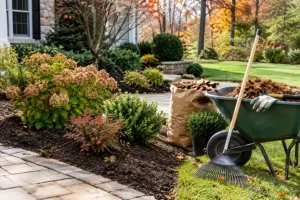
April showers may bring May flowers, but rain in July and August can often bring flooded yards, soggy lawns, and costly water damage first. If your yard turns into a swamp after every heavy rain, you are not alone. Heavy rain exposes weak grading, clogged drains, and compacted soil that cannot absorb water fast enough. The good news: professional drainage experts have proven, permanent solutions that protect your home, save your lawn, and stop the cycle of flooding for good.
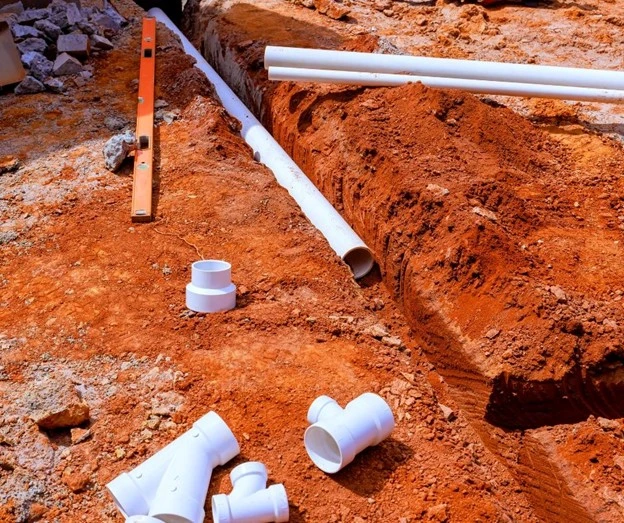
Why Drainage Experts Are the Best Solution
Heavy summer rain can quickly expose drainage problems that threaten your lawn, foundation, and landscape. Drainage experts identify the source of excess water and recommend lasting solutions to help protect your property.
Hidden Dangers of Poor Yard Drainage
Standing water looks annoying, but the real risks run much deeper. Ignoring drainage problems can lead to expensive repairs and health hazards by summer.
Foundation Damage and Basement Leaks
Water pooling near your home’s foundation creates hydrostatic pressure. Over time, this pressure cracks concrete, shifts footings, and forces water through basement walls. Repairing foundation damage costs thousands, while proper drainage solutions cost a fraction of that.
Lawn Disease and Dead Grass
Soggy soil suffocates grass roots. Without oxygen, turf turns yellow, develops fungal diseases like brown patch, and dies in large patches. Compacted, wet soil also prevents new seed from germinating, leaving bare spots all summer.
Mosquito Breeding Grounds
Standing water is a mosquito nursery. A single puddle can produce hundreds of mosquitoes in just one week. These pests spread diseases and make your yard unusable on warm evenings.
Soil Erosion and Landscape Loss
Heavy runoff washes away topsoil, mulch, and plants. You lose nutrients your lawn needs, and exposed roots make trees and shrubs unstable. Over time, erosion creates deep gullies that are expensive to fix.
Mold and Mildew Growth
Constant moisture near your home encourages mold growth on siding, decks, and in crawl spaces. Mold triggers allergies, damages wood, and lowers indoor air quality.
Signs Your Yard Needs Drainage Help
Not sure if your drainage problem is serious? Watch for these red flags after the next rainstorm:
- Puddles that last more than 24 hours
- Spongy, mushy spots when you walk on the lawn
- Water stains on basement walls or musty odors
- Soil washing away from flower beds or tree roots
- Gutters overflowing even when clean
- Cracks in your foundation or driveway
- Mosquito swarms near standing water
- Grass that stays brown or yellow while the rest of the lawn greens up
If you spot two or more of these signs, your yard needs professional drainage solutions before the next heavy rain.
Top Drainage Solutions That Actually Work
Drainage experts use several proven methods to move water away from your home and lawn. The best solution depends on your yard’s slope, soil type, and problem areas. Here are the most effective options.
1. French Drains
A French drain is the gold standard for yard drainage. It consists of a trench filled with gravel and a perforated pipe that collects groundwater and redirects it away from your property.
How it works:
- A trench is dug along the wet area, sloping downward.
- Landscape fabric lines the trench to prevent clogging.
- Gravel and a 4-inch perforated pipe are installed.
- Water seeps through the gravel, enters the pipe, and flows to a safe discharge point like a storm drain or dry well.
Best for: Soggy lawns, water near foundations, and large wet zones. French drains handle high water volume and stay hidden under sod or mulch.
2. Channel Drains (Trench Drains)
Channel drains are long, narrow grates set into driveways, patios, or walkways. They catch surface runoff before it spreads across your yard.
How it works:
- A concrete or plastic channel is installed flush with the ground.
- A metal or plastic grate covers the channel.
- Water flows into the channel and through underground piping to a discharge point.
Best for: Hard surfaces like driveways, pool decks, and patios where water pools quickly.
3. Dry Wells
A dry well is an underground chamber that collects stormwater and slowly releases it into the surrounding soil. It acts like a sponge for excess rain.
How it works:
- A large pit is dug and filled with gravel or a plastic chamber.
- Drain pipes from gutters or French drains feed into the well.
- Water percolates out through the sides into the ground over hours or days.
Best for: Yards with no good place to discharge water, or where local codes require on-site retention.
4. Yard Drains and Catch Basins
Surface drains catch water in low spots and send it underground. They are simple, effective, and affordable.
How it works:
- A grate sits at ground level in a puddle-prone area.
- Water flows into a basin and through solid pipe to daylight or a storm system.
- Pop-up emitters release water safely away from the house.
Best for: Small to medium puddles in lawns, near patios, or at the bottom of driveways.
5. Regrading and Soil Amendment
Sometimes the fix is simple: change the slope. Proper grading ensures water flows away from your home instead of toward it.
How it works:
- Experts reshape the soil to create a 2% slope away from the foundation.
- Compacted soil is aerated and amended with compost to improve absorption.
- Low spots are filled with topsoil and reseeded.
Best for: Minor drainage issues, new construction, or yards with obvious slope problems.
6. Rain Gardens
A rain garden is a landscaped depression that collects runoff and lets it soak in naturally. It adds beauty while solving drainage.
How it works:
- A shallow basin is dug in a low area.
- Native, water-loving plants are installed.
- Runoff from roofs or driveways is directed into the garden.
- Plants and soil filter pollutants as water infiltrates.
Best for: Eco-friendly homeowners who want drainage plus curb appeal.
7. Downspout Extensions and Gutter Guards
Simple upgrades to your gutter system can prevent many drainage problems before they start.
How it works:
- Downspout extensions carry roof water 6 to 10 feet away from the foundation.
- Gutter guards keep leaves and debris from clogging the system.
- Splash blocks or underground pipes direct flow to safe zones.
Best for: Prevention, budget fixes, and homes with foundation moisture issues.
DIY Fixes vs. When to Call a Drainage Expert
Small drainage issues can sometimes be handled on your own. But serious problems need professional tools and experience.
Try These DIY Fixes First
- Clean gutters and downspouts: Remove leaves and debris twice a year.
- Extend downspouts: Add 6-foot extensions to move roof water away from the house.
- Fill low spots: Use topsoil to raise puddle-prone areas by 2 to 3 inches.
- Aerate your lawn: Punch holes in compacted soil to improve water absorption.
- Add mulch: A 2-inch layer helps soil retain structure and absorb water.
- Plant water-loving grass: Fescue and ryegrass handle wet conditions better than Bermuda.
Call a Pro When
- Water enters your basement or crawlspace
- Puddles last more than 48 hours after rain
- You see cracks in your foundation or driveway
- Your entire yard stays soggy for weeks
- DIY fixes have not worked after two rainstorms
- You need permits for discharge to storm drains
Professional drainage contractors bring heavy equipment, engineering knowledge, and warranties that DIY cannot match. They also spot hidden problems like broken sewer lines or high water tables that amateurs miss.
How Drainage Experts Solve Your Problem Step by Step
When you hire a drainage specialist, here is what to expect:
Step 1: Site Evaluation
An expert walks your property after rain (or uses dye tests) to trace water flow. They check grading, soil type, gutter performance, and problem zones. Many use laser levels and cameras to map underground issues.
Step 2: Custom Design
Based on the evaluation, the contractor designs a system tailored to your yard. This may combine French drains, catch basins, regrading, and downspout work for complete coverage.
Step 3: Installation
The crew digs trenches, installs pipes and basins, amends soil, and restores your lawn. Most jobs finish in 1 to 3 days with minimal disruption.
Step 4: Testing and Cleanup
Water is run through the system to confirm proper flow. All debris is removed, and disturbed areas are reseeded or sodded. You receive a walkthrough and maintenance tips.
Step 5: Warranty and Follow-Up
Reputable companies offer warranties on materials and workmanship. Many provide annual inspections to keep your system running perfectly.
Lawn Care Tips to Boost Drainage Performance
Good drainage works best with healthy soil and strong grass. Follow these lawn care practices to maximize your system:
- Aerate Annually: Core aeration opens compacted soil so water soaks in faster.
- Topdress with Compost: A thin layer of compost improves soil structure and absorption.
- Mow High: Keep grass at 3 to 4 inches. Longer blades shade soil and reduce evaporation.
- Avoid Overwatering: Let rain do the work. Use a rain sensor on your irrigation system.
- Dethatch When Needed: Thick thatch blocks water from reaching soil.
- Choose the Right Grass: In wet climates, plant fescue, ryegrass, or Kentucky bluegrass.
- Add Organic Matter: Mix compost into planting beds to prevent runoff.
Healthy lawns absorb 30% more water than neglected ones, reducing the load on your drainage system.
Why Choose Professional Drainage Services
You could spend weekends digging trenches and laying pipe, but professional drainage experts deliver results that last. Here is why hiring a pro is worth it:
- Accurate Diagnosis: Experts find the root cause, not just the symptom.
- Proper Slope and Flow: Engineers calculate exact grades to ensure water moves correctly.
- Quality Materials: Contractors use commercial-grade pipe, fabric, and basins that resist clogging.
- Permits and Codes: Professionals handle local regulations and discharge permits.
- Warranty Protection: Work is guaranteed, so you are covered if issues return.
- Time Savings: A crew finishes in days what might take you weeks.
- Property Value Boost: Documented drainage improvements increase resale value.
Real Results: Before and After Drainage Fixes
Homeowners who invest in drainage see dramatic changes:
- No More Puddles: Lawns dry within hours after heavy rain.
- Green, Thick Grass: Turf recovers from yellow patches and grows evenly.
- Dry Basements: Musty odors and water stains disappear.
- Stable Foundations: Cracks stop spreading, and soil stays firm.
- Fewer Mosquitoes: Standing water elimination cuts pest populations by 90%.
- Usable Yard: Patios, play areas, and gardens stay accessible all summer.
One homeowner in a flood-prone neighborhood reported zero basement leaks after installing a French drain and catch basin system. Another saw their property value increase by $8,000 after fixing chronic drainage issues before selling.
Protect Your Home Before the Next Storm
Summer rain does not have to mean flooded yards and stressed mornings. With the right drainage solutions, you can turn a soggy nightmare into a dry, healthy landscape that thrives during all seasons.
Do not wait for the next downpour to expose your yard’s weaknesses. Standing water today becomes foundation cracks, dead grass, and mosquito infestations tomorrow. Drainage experts have the tools, knowledge, and proven systems to solve your problem permanently.
Contact Our Drainage Experts for a Free Evaluation
Is your yard ready for the next heavy rain? Don’t let another storm damage your home or ruin your lawn. The drainage experts at Hawkins Landscaping Inc. provide reliable, affordable solutions tailored to your property—helping you stay ahead of water issues before they become costly problems.
Schedule your on-site drainage evaluation this week. Our team will:
• Inspect your yard, gutters, and foundation
• Identify problem areas and water flow patterns
• Provide a custom solution with clear, upfront pricing
• Offer fast scheduling for urgent drainage needs
Don’t fight seasonal rain alone. Call (301) 898-3615 or visit hawkinslandscaping.com today. Ask about flexible financing options and let our experts help you achieve a dry, protected, and beautiful yard all year long.