Affordable drainage solutions after an ice storm focus on moving melted ice away from your home quickly, safely, and on a budget. This guide explains simple steps you can take yourself, when to call drainage experts, and how good landscaping design and lawn care help prevent future damage.
Why Ice Storms Create the Need for Drainage Solutions
Ice storms leave layers of ice and packed snow around your home, and then everything melts at once.
- Water backs up because drains, gutters, and downspouts are clogged with ice, leaves, and debris, creating an urgent need for reliable drainage solutions after a storm.
- When water freezes in pipes and drains, it expands and can crack or burst them, leading to leaks and flooding.
- Low spots in the yard fill with meltwater, creating pools that later refreeze into dangerous ice sheets.
- Poor landscaping design can push meltwater toward your foundation instead of away from it, increasing the risk of basement leaks.
Good lawn care and smart drainage planning reduce all of these problems before the next storm hits.
Immediate Steps Right After an Ice Storm
These are affordable, simple actions you can take as soon as it’s safe to go outside and help support effective drainage solutions after a storm
1. Clear around drains and grates
- Use a shovel or broom to remove snow and loose ice from surface drains, driveway drains, and patio drains.
- Open pathways allow meltwater to flow instead of pooling and refreezing.
2. Open gutter downspouts
- Gutter and downspout drains can clog or freeze, causing water to spill over and run down walls and onto walkways.
- Gently remove ice at the bottom of downspouts and clear away snow piles so water has a place to go.
3. Create temporary drainage channels
- Use a shovel to make shallow channels in the snow or slush to direct water away from doors, walkways, and the foundation.
- Aim these channels toward the street, storm drains, or a lower part of your yard that can safely hold water.
4. Use safe de‑icing methods
- Use plumbing-safe or drain-safe de-icers, not rock salt, to avoid damaging pipes and concrete.
- Pour warm (not boiling) water over small frozen areas to slowly melt ice around drains and gutters.
5. Avoid risky DIY tools
- Do not hammer at ice on drains or in pipes and avoid metal snakes on frozen lines, because they can crack or puncture pipes.
- If a drain or pipe seems solidly frozen, it is safer and often cheaper in the long run to call drainage experts.
Affordable Outdoor Drainage Fixes
Once the ice has melted, you can move on to low-cost drainage improvements that help your yard handle future storms using practical, long-term drainage solutions.
1. Improve yard slope (surface grading)
Bad grading is a major reason water pools near your home.
- Add soil to low spots near the foundation so the ground slopes gently away from the house. A common rule is a few inches of drop over several feet of distance.
- Use compacted soil and then top with grass seed or sod so your lawn looks clean and stays stable.
- This is one of the cheapest drainage fixes and ties directly into smart landscaping design and lawn care, making it a smart starting point for affordable drainage solutions.
2. Extend gutter downspouts
Short downspouts often dump meltwater right by your foundation.
- Add affordable downspout extenders or flexible drain pipes to carry water several feet away from your house.
- In cold areas, design underground extensions so they drain fully and do not hold standing water that can freeze solid.
- Aim the outlet toward a safe, lower area of your yard or a swale (a shallow grassed channel).
3. Build a shallow swale or dry creek bed
Swales are simple, shallow ditches that guide water.
- Shape a gentle channel with a shovel so water naturally flows away from the house and problem areas.
- Line the bottom with gravel or decorative stones to slow erosion and blend into your landscaping design.
- Plant deep-rooted grass or hardy plants along the sides for stability and better lawn care.
4. Install a French drain
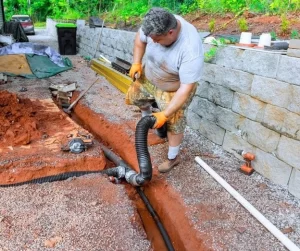
A French drain is a gravel-filled trench with a perforated pipe that collects and moves water underground.
- Dig a trench that slopes away from the wet area, place perforated pipe in the bottom, cover with gravel, and then soil or turf.
- It is more work than surface fixes but is still an affordable option compared to major foundation repairs.
- French drains are very useful in yards that stay soggy after storms and heavy snowmelt.
5. Add a dry well
A dry well collects water from downspouts or drains and slowly releases it into the surrounding soil.
- Dig a hole large enough to hold runoff from the first part of a heavy melt or rain.
- Place a dry well barrel or pit in the hole and surround it with gravel so water can seep into the ground.
- Dry wells are good for areas where you cannot easily send water to the street or a lower spot in the yard.
6. Consider cost‑effective slot or channel drains
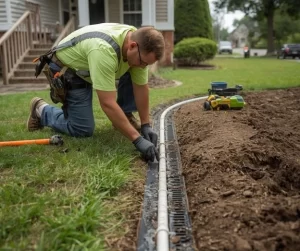
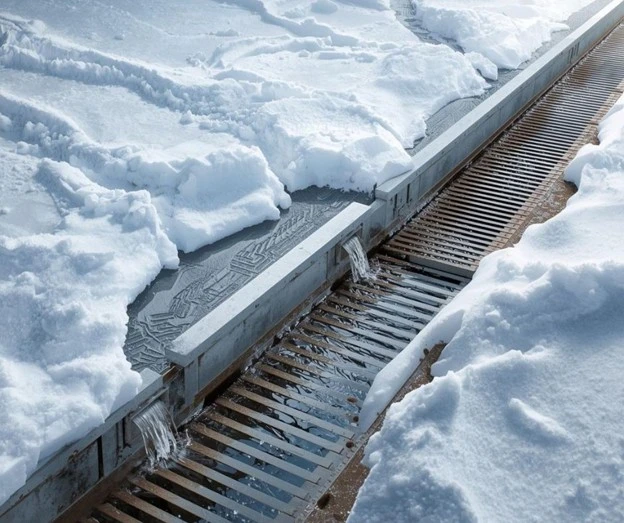
For driveways, garage entries, and patios that turn into ice rinks after storms, surface drains can help.
- Slot drains are narrow, grate-free channels that move water quickly and resist ice buildup, and some designs are cost-effective due to pre-assembled parts.
- Channel drains with grates, installed across the driveway or patio, catch runoff before it reaches the house.
- These systems can also blend into your landscaping design for a clean and safe look.
How Landscaping Design Helps Drainage
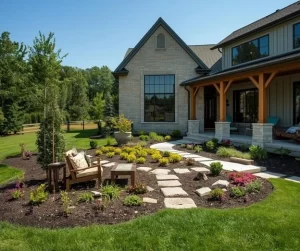
Smart landscaping design does more than make your yard look nice; it controls how water flows and supports long-term drainage solutions around your home.
- Use plants and beds to guide meltwater: Raised beds, edges, and berms can steer water toward swales or drains instead of your home.
- Choose hardy plants for wet spots: Rain gardens with deep-rooted plants help soak up extra water in low areas.
- Avoid blocking drainage paths: Large rocks, walls, or poorly placed beds can trap water and create pooling after ice storms.
Lawn care supports these designs by keeping the soil healthy, not compacted, so it can absorb more water during thaws.
Lawn Care Tips After an Ice Storm
Healthy lawns handle meltwater better, reducing puddles and mud.
- Repair ruts and low patches: Fill and level areas where ice and water sat, then reseed so the surface stays even for better drainage.
- Aerate compacted soil: Aeration opens the ground, helping water soak in instead of running off and freezing.
- Manage thatch: A thick thatch layer can act like a barrier and stop water from soaking into the soil.
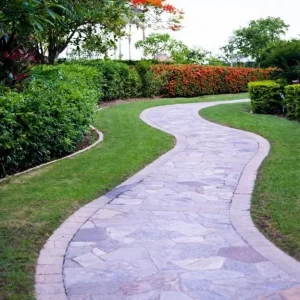
- Protect high-traffic areas: Pathways made of gravel, pavers, or stepping stones keep feet off wet grass and reduce compaction.
By combining lawn care with basic drainage upgrades, you strengthen overall performance and support effective drainage solutions year-round.
When to Call Drainage Experts
Some drainage issues are too large or risky to fix on your own, especially after an ice storm, and may require professional drainage solutions to prevent long-term damage.
- You see water entering your basement or crawlspace.
- Large sections of your yard stay flooded for days after the snow and ice are gone.
- You suspect burst or cracked pipes because water is not draining or you notice new wet spots on walls or ceilings.
- You need complex systems such as extensive French drains, slot drains, or a combination of surface and subsurface drainage.
Professional drainage experts can design a complete plan that fits your budget, local climate, and long-term landscaping design goals.
Example Solutions and Features
Here is a quick look at common affordable drainage options and how they can help after an ice storm.
Solution type | Main benefit after ice storm | Typical location | Cost level (relative) |
Grading (reslope) | Moves meltwater away from foundation to safer areas | Around house, near foundation | Low to medium |
Downspout extension | Carries roof meltwater farther into yard | Under gutters, near corners of house | Low |
Swale/dry creek | Guides runoff through yard instead of pooling | Along property lines, in low paths | Low to medium |
French drain | Drains persistently wet areas underground | Soggy lawns, near slopes or wet corners | Medium |
Dry well | Holds and slowly releases storm and meltwater | Areas with no easy surface outlet | Medium |
Slot/channel drain | Stops water from pooling on paved surfaces | Driveways, patios, garage entries | Medium to higher |
These solutions can be mixed and matched to fit your specific property and budget, allowing homeowners to choose drainage solutions that match both site conditions and long-term needs.
Simple Plan for Long-Term Drainage Solutions in Your Yard
You can follow a simple step-by-step approach to improve drainage affordably over time and build reliable drainage solutions that protect your yard season after season.
1. Inspect after melt
- Walk your yard right after a thaw and note where water pools, where ice sheets form, and where runoff flows toward the house.
2. Fix the easiest issues first
- Clear gutters and drains, add downspout extensions, and fill obvious low spots near the foundation.
3. Add guiding features
- Shape shallow swales or dry creek beds and adjust landscaping design so water has a clear path out of the yard.
4. Upgrade problem zones
- For areas that are still soggy, consider French drains, dry wells, or surface drains like slot or channel systems.
5. Keep up with lawn care
- Aerate, reseed, and protect high-traffic zones so your lawn stays strong and drains well in every season.
If any step feels too complex or you are not sure about slopes and pipe layouts, bring in drainage experts for a focused inspection and plan.
If your yard, driveway, or basement struggles after every ice storm, now is the time to take action—before the next freeze-thaw cycle causes even more damage.
Hawkins Landscaping Inc. has proudly served Frederick County and surrounding areas for over 50 years, providing expert drainage solutions that work hand-in-hand with smart landscaping design and lawn care. Their experienced team understands winter drainage challenges and offers proven options such as grading corrections, French drains, swales, and downspout extensions—each customized to your property, soil conditions, and budget. The goal is simple: turn post-storm puddles, ice buildup, and water intrusion into a safe, dry, and visually appealing outdoor space. Flexible financing options are available to help you protect your home without added stress.
Call (301) 898-3615 or visit hawkinslandscaping.com to schedule your drainage inspection and consultation today.
Stop fighting the weather and start working with it—experience lasting peace of mind with Hawkins Landscaping Inc., your trusted local drainage and landscaping experts.