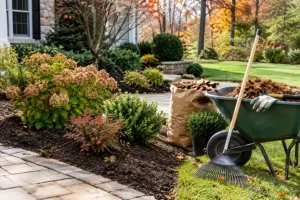
Want a lush, green lawn without harming the planet? You’re in the right place. Easy eco-friendly lawn care tips help you save water, cut costs, and protect your family and pets—all while keeping your yard looking its best. Whether you’re a beginner or a seasoned gardener, these simple steps will transform your outdoor space into a sustainable haven.
In this guide, you’ll learn how to work with nature, not against it. From smart watering tricks to natural weed control, we’ll cover everything you need to know about landscaping and lawn care that’s good for your home and the Earth. Ready to create the best lawn care routine? Let’s dive in.
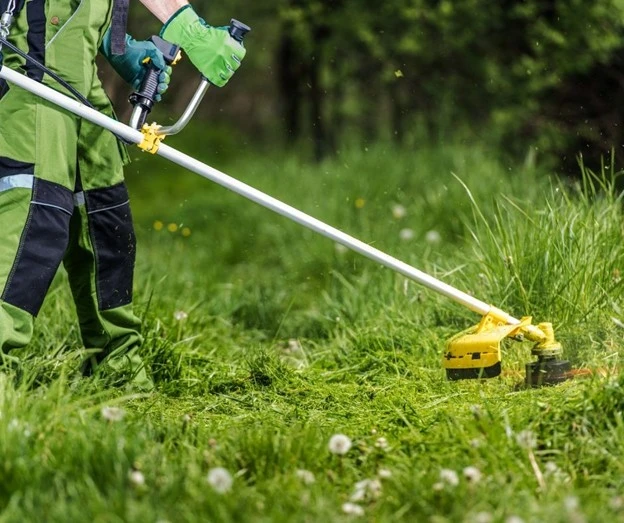
Why Choose Eco-Friendly Lawn Care?
Traditional lawn care often relies on harsh chemicals, heavy water use, and gas-powered tools. These methods can pollute local waterways, harm beneficial insects, and even put your kids and pets at risk. Eco-friendly lawn care flips the script by using natural, sustainable practices that:
- Save money on water bills and chemical products
- Protect local ecosystems by reducing runoff and pollution
- Create healthier soil that grows stronger grass naturally
- Reduce your carbon footprint with less fuel and energy use
Plus, an eco-friendly yard often needs less work over time. That means more time enjoying your outdoor space and less time slaving over it. Win-win!
1. Choose the Right Grass for Your Climate
Not all grasses are created equal. Picking the right type for your region is the first step toward easy, sustainable landscaping and lawn care. Native grasses are already adapted to your local weather, soil, and pests, so they need less water, fertilizer, and TLC.
Top Eco-Friendly Grass Options
Grass Type | Best For | Water Needs | Maintenance Level |
Buffalograss | Central US, dry climates | Very Low | Low |
Fine Fescue | Cool, shady areas | Low | Low |
Curly Mesquite | Texas, Arizona, Southwest | Very Low | Low |
Sedge Grass | New England, moist areas | Low-Medium | Low |
White Clover Mix | Any region (mixed with grass) | Low | Very Low |
Pro Tip: Contact your local county extension office for free advice on the best native grasses for your area. They can also help you understand your soil type and pH needs.
Consider mixing clover into your lawn. Clover stays green during droughts, adds nitrogen to the soil naturally, and resists pests. It’s a secret weapon for the best lawn care routine.
2. Water Smart: Less Is More
Overwatering is one of the biggest mistakes homeowners make. It wastes water, encourages shallow roots, and can lead to disease. Smart watering is a cornerstone of easy eco-friendly lawn care.
How to Water Your Lawn the Right Way
- Water deeply but infrequently. Give your lawn about 1 to 1.5 inches of water per week (including rain). This encourages deep root growth, making grass more drought-tolerant.
- Water early in the morning. Aim for before 10 a.m. when temperatures are cooler. This reduces evaporation and prevents fungal growth that thrives in wet, warm conditions.
- Skip the schedule. Don’t water on a fixed timer. Check your lawn first—if the grass springs back when you step on it, it doesn’t need water yet. Drooping or bluish-gray blades are signs it’s thirsty.
- Use drip irrigation or soaker hoses. These deliver water directly to the roots with up to 90% efficiency, compared to just 50% for sprinklers that spray sidewalks and driveways.
- Mulch around trees and plants. A 2-inch layer of mulch (like wood chips, pine needles, or fir bark) locks in moisture, reduces evaporation, and keeps weeds at bay.
Simple Test: Place an empty tuna can on your lawn while watering. When it’s full, you’ve applied about 1 inch of water. Perfect!
3. Mow High and Let Clippings Stay
Mowing seems simple, but doing it the eco-friendly way makes a huge difference. Here’s how to master sustainable mowing for the best lawn care results:
The Golden Rules of Eco-Mowing
- Keep it high. Set your mower deck to 3–4 inches. Taller grass shades the soil, retains moisture, and blocks weeds from sprouting. Never cut more than one-third of the blade length at once.
- Mow more often, but cut less. Frequent, light trims are better than rare, severe cuts. This reduces stress on the grass and keeps it healthy.
- Try grasscycling. Leave grass clippings on the lawn after mowing. They’re 75–85% water and packed with nitrogen, phosphorus, and potassium—the same nutrients found in commercial fertilizers. Grasscycling can provide up to 25% of your lawn’s total fertilizer needs for free!
- Sharpen your mower blade. A dull blade tears grass, leaving it vulnerable to disease. Sharpen your blade at least twice a year for clean, healthy cuts.
- Go electric or manual. Swap gas-powered mowers for electric or reel mowers. They’re quieter, produce zero emissions, and need less maintenance.
Bonus: Less frequent mowing in hotter months saves fuel, reduces noise, and gives your lawn a break during stress periods.
4. Feed Your Lawn Naturally
Synthetic fertilizers might give a quick green boost, but they often wash away into rivers and lakes, causing algae blooms and harming wildlife. Natural fertilizers build healthy soil over time, creating a lawn that thrives on its own.
Best Natural Fertilizer Options
- Compost: Spread a thin layer (about ¼ inch) of compost over your lawn in spring or fall. It adds nutrients, improves soil structure, and boosts water retention.
- Grass clippings: As mentioned, leaving clippings on the lawn is a free, easy fertilizer.
- Manure-based organic fertilizers: Look for certified organic blends made from cow, chicken, or horse manure. These release nutrients slowly, feeding your grass steadily without burning it.
- Homemade compost tea: Steep compost in water for 24–48 hours, strain, and spray on your lawn for a liquid nutrient boost.
Avoid: Chemical fertilizers with high nitrogen content. They cause rapid, weak growth that needs more water and mowing.
5. Control Weeds Without Chemicals
Weeds are annoying, but you don’t need toxic herbicides to beat them. Eco-friendly weed control is safer for kids, pets, and pollinators—and just as effective when done right.
Natural Weed-Busting Strategies
- Pull by hand. For small lawns or spot treatments, hand-pulling works wonders. Do it after rain or watering when soil is soft.
- Use corn gluten meal. This natural byproduct of corn processing prevents weed seeds from sprouting. Apply in early spring before weeds emerge. Note: It also prevents grass seeds from germinating, so don’t use it if you’re overseeding.
- Vinegar spray. Mix white vinegar (5–20% acidity) with a drop of dish soap and spray directly on weed leaves. Works best on sunny days. Avoid spraying desirable plants—vinegar kills anything it touches.
- Boiling water. Pour boiling water directly on weeds in cracks of driveways or sidewalks. It’s instant and chemical-free.
- Keep grass thick and healthy. A dense, vigorous lawn naturally chokes out weeds. Proper mowing, watering, and fertilizing are your best defense.
Pro Tip: A lawn care specialist can help you identify problem weeds and suggest targeted organic solutions if infestations get out of hand.
6. Manage Pests the Natural Way
Bugs don’t have to mean chemical warfare. Many pests are kept in check by beneficial insects, birds, and healthy soil. When problems arise, try these eco-friendly fixes first:
Organic Pest Control Methods
- Encourage beneficial insects. Plant native flowers like yarrow, dill, and marigolds to attract ladybugs, lacewings, and parasitic wasps. These predators eat aphids, grubs, and other lawn pests.
- Use neem oil. This plant-based oil disrupts insect life cycles without harming beneficial bugs. Mix with water and spray on affected areas.
- Apply beneficial nematodes. These microscopic worms hunt and kill grubs, fleas, and other soil-dwelling pests. They’re safe for pets and humans.
- Diatomaceous earth (food grade). Sprinkle this powdery substance on pests like ants and beetles. It’s made from fossilized algae and works by dehydrating insects.
- Keep your lawn healthy. Stressed grass is more vulnerable to pests. Proper watering, mowing, and feeding build natural resistance.
Remember: A few bugs are normal and even helpful. Only treat when damage is significant.
7. Test and Improve Your Soil
Healthy soil = healthy lawn. Before adding anything, test your soil to know exactly what it needs. Most grasses thrive in slightly acidic soil with a pH between 6.0 and 7.0, making soil testing an important part of eco-friendly lawn care.
How to Test and Amend Your Soil
- Get a soil test kit. Available at garden centers or through your local extension office (often free or low-cost).
- Collect samples. Take soil from 5–10 spots across your lawn, mix them, and follow kit instructions.
- Read the results. The report will tell you your soil’s pH and nutrient levels, plus recommendations for amendments.
- Add what’s needed:
- Too acidic (low pH)? Add lime to raise it.
- Too alkaline (high pH)? Add sulfur or peat moss to lower it.
- Low nutrients? Add compost, organic fertilizer, or specific amendments like bone meal (for phosphorus) or greensand (for potassium).
Pro Tip: Retest your soil every 2–3 years to track changes and adjust your care routine.
8. Reduce Lawn Size and Add Native Plants
Do you really need that much grass? Reducing lawn size and adding native plants is one of the easiest ways to cut water use, maintenance, and environmental impact.
Ideas for a Smaller, Smarter Lawn
- Plant ground cover. Replace unused grass areas with low-growing plants like creeping thyme, sedum, or mondo grass. They need less water and no mowing.
- Add native shrubs and trees. These provide shade (reducing water loss), habitat for wildlife, and visual interest. They’re also adapted to local conditions, so they thrive with minimal care.
- Create garden beds. Turn corners or strips of lawn into flower or vegetable beds. Use mulch to suppress weeds and retain moisture.
- Install hardscaping. Add a patio, walkway, or seating area to replace high-maintenance grass in low-traffic zones.
Bonus: Native plants support local bees, butterflies, and birds, making your yard a mini wildlife sanctuary.
9. Aerate and Overseed for Thick Grass
Over time, soil gets compacted from foot traffic and mowing, making it hard for water, air, and nutrients to reach roots. Aeration and overseeding are essential eco-friendly lawn care practices that keep your lawn thick and resilient.
When and How to Aerate
- Timing: Aerate in early fall or spring when grass is actively growing.
- Method: Use a core aerator (rental or professional) to pull out small plugs of soil. This creates channels for air and water.
- Frequency: Once a year is enough for most lawns. Skip if your soil is already loose and healthy.
Overseeding for Density
After aerating, spread grass seed over thin or bare spots. Choose a seed mix that matches your existing lawn and climate. Keep the area moist until new grass establishes.
Result: A thicker lawn that naturally resists weeds, drought, and pests—key to the best lawn care outcomes.
10. Maintain Your Tools and Equipment
Even eco-friendly tools need care to work efficiently. Well-maintained equipment saves time, energy, and money.
Quick Maintenance Checklist
- Sharpen mower blades twice a year (spring and mid-summer).
- Clean mower decks after each use to prevent rust and buildup.
- Check electric tool batteries and store them in a cool, dry place.
- Inspect irrigation systems for leaks or clogs each spring and fall.
- Replace worn parts like spark plugs (for gas tools) or cords (for electric).
Eco Upgrade: If you still use gas-powered tools, consider switching to battery-electric models. They’re quieter, lighter, and produce zero emissions.
Common Mistakes to Avoid
Even with good intentions, it’s easy to slip into old habits. Watch out for these common eco-friendly lawn care pitfalls:
- Watering too much or too often. Leads to shallow roots and disease.
- Cutting grass too short. Stresses the lawn and invites weeds.
- Using chemical fertilizers “just in case.” Test first, then feed only what’s needed.
- Ignoring soil health. Healthy soil is the foundation of everything.
- Overlooking native plants. They’re your best allies for low-maintenance beauty.
The Long-Term Benefits of Eco-Friendly Lawn Care
Switching to eco-friendly practices isn’t just good for the planet—it’s good for your wallet and well-being too. Here’s what you can expect:
- Lower water bills from smart irrigation and drought-tolerant grasses
- Reduced chemical costs by using natural fertilizers and pest control
- Less time mowing and weeding thanks to thicker, healthier grass
- A safer yard for kids, pets, and local wildlife
- Increased property value with a beautiful, sustainable landscape
Plus, you’ll feel good knowing you’re doing your part to protect the environment. Every drop of water saved and every chemical avoided makes a difference.
Put Eco-Friendly Lawn Care Into Action
You now have all the tools to create a lush, eco-friendly yard that’s the envy of the neighborhood. From choosing the right grass to watering smart and feeding naturally, these easy tips make sustainable landscaping and lawn care simple and rewarding.
But if you’re short on time or want expert guidance, don’t go it alone. A professional lawn care specialist can help you design a custom plan, handle tough problems, and ensure you’re using the best eco-friendly lawn care practices for your specific climate and soil.
Take Action Today!
Ready to transform your yard into a colorful masterpiece? Start designing your flower beds today! Explore high-quality landscaping plants and durable landscaping edging materials from your local garden center or trusted suppliers online.
Don’t wait—the perfect garden begins with one great idea. Bring your vision to life with inspiring landscaping ideas that make your home shine inside and out.
For expert results, partner with Hawkins Landscaping Inc.. With over 50 years of experience serving Frederick County and surrounding areas, their team specializes in custom landscaping design, plant selection, and professional installation tailored to your style and budget.
Call (301) 898-3615 or visit hawkinslandscaping.com to schedule your consultation today. Ask about flexible financing options and let the experts turn your flower bed ideas into a vibrant, lasting outdoor space.