Whether you love bold blooms or soft greenery, the right landscaping ideas help make your outdoor space stand out. Flower beds are not just about planting flowers; they’re about combining color, texture, and structure to create an inviting design that turns heads and lifts your mood.
In this guide, we’ll explore the best landscaping plants, garden designs, and landscaping edging tips to help you build breathtaking flower beds that stay stunning all year long.
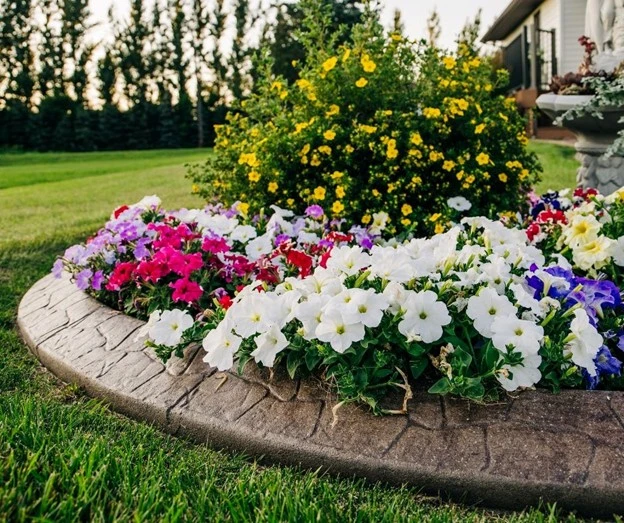
Landscaping Ideas: Why Flower Beds Matter
Flower beds act as the heart of your garden. They set the tone, draw attention, and add personality to your home’s exterior. Think of them as natural artwork that changes with the seasons. A well-planned flower bed can:
- Highlight pathways, fences, or patios.
- Create curb appeal that boosts property value.
- Encourage pollinators like butterflies and bees.
- Add structure and balance to your landscape design.
When designed thoughtfully, flower beds can tie your entire yard together, blending the house, lawn, and garden into one harmonious space.
Choosing the Right Landscaping Plants
Before digging in, it’s important to choose the right landscaping plants for your flower bed. Each plant has unique needs — from sun exposure to soil type — so picking the right mix ensures healthy, vibrant blooms year-round.
Here are plant types that bring variety and lasting beauty to any flower bed:
- Perennials:
These plants come back year after year, offering consistency and long-term beauty. Examples include lavender, daylilies, hostas, and coneflowers. They’re perfect for foundation plantings or borders. - Annuals:
Annuals provide instant color but last only one season. Popular choices include petunias, marigolds, and zinnias — all great for filling gaps and adding vivid, seasonal flair. - Shrubs:
Low-growing shrubs create a backdrop for smaller flowers, adding dimension. Try boxwood, hydrangea, or dwarf azalea for texture and structure. - Ground covers:
These plants fill empty spaces while keeping weeds away. Options like creeping thyme, sedum, or moss phlox are easy to maintain and look lush. - Ornamental grasses:
Great for movement and contrast. Varieties like blue fescue or purple fountain grass add graceful height and texture that balances the bright blooms.
Tip: When choosing plants, think about bloom times. Mixing early spring, mid-summer, and fall bloomers keeps your flower bed colorful across all seasons.
Smart Flower Bed Shapes and Layouts
The shape and arrangement of your flower bed can make an ordinary garden look extraordinary. Your layout should guide the eye naturally, complementing your home’s style and surroundings.
Here are a few landscaping ideas for eye-catching shapes:
- Curved beds: Gentle curves mimic nature and create soft, flowing movement throughout the garden. Perfect for cottage-style landscapes.
- Raised beds: Ideal for better soil control and ease of maintenance. They also add dimension, making plants stand out.
- Border beds: Placed along fences, driveways, or walls, these guide the viewer’s eye and frame your yard beautifully.
- Island beds: Surrounded by lawn, these serve as focal points in larger spaces. Use taller plants in the center and smaller ones around the edges.
To make your layout pop, combine different plant heights, textures, and colors. For instance, tall ornamental grasses at the back can accent a layer of mid-height perennials and a row of low annuals along the front.
Using Color Effectively in Flower Beds
Color is one of the most powerful tools in landscaping design. It affects mood and creates visual interest. Use these principles to design with color:
- Warm colors (reds, oranges, yellows) draw attention and create energy. Perfect near entrances or pathways where you want impact.
- Cool colors (blues, purples, whites) give a sense of calm, ideal for relaxation zones like backyard seating areas.
- Monochromatic schemes: Use variations of one color for a unified look — for example, different shades of pink flowers mixed with silver foliage.
- Contrasting combinations: Pair opposites for bold drama, such as purple salvia next to golden marigolds.
Example: A bed with yellow daylilies, violet petunias, and silver lamb’s ear creates a lively, balanced combination that’s pleasing to the eye.
Creative Landscaping Edging Ideas
Edging may seem like a small detail, but it makes a huge visual difference. Clean, well-defined landscaping edging separates flower beds from lawns and paths, giving your garden a polished, professional appearance.
Here are great edging ideas you can try:
- Stone edging: Natural stones or cobblestones create a timeless look and are durable against weather changes.
- Brick borders: Classic red or weathered bricks provide a structured outline that complements traditional houses.
- Metal strips: Thin steel or aluminum edging offers a modern, clean finish and keeps soil contained neatly.
- Wood edging: Ideal for rustic or cottage gardens. Cedar or treated wood gives warmth and texture.
- Plastic or rubber edging: Affordable and flexible, perfect for curved beds or temporary landscaping projects.
Whatever material you choose, make sure it matches the overall theme of your landscape — natural for cottage style, modern for minimalist designs, and sleek for contemporary spaces.
Adding Focal Points for Visual Interest
A flower bed looks more captivating when it has focal points that draw attention. You can use structural or decorative features to create balance and charm.
Consider adding:
- Garden statues or sculptures for personality.
- Birdbaths or fountains for movement and sound.
- Rock features or boulders for texture variation.
- Decorative planters with bold landscaping plants for height contrast.
Place focal points slightly off-center rather than directly in the middle to create a natural flow. Lighting can also enhance these elements — use solar lamps, fairy lights, or ground spotlights to highlight them at night.
Layering for Depth and Dimension
The secret to truly eye-catching flower beds is layering. Depth adds complexity and keeps the garden visually interesting from every angle. Arrange plants in three layers:
- Back layer: Tall plants and shrubs that form the backdrop. Example: hollyhocks or ornamental grasses.
- Middle layer: Medium-height perennials such as daisies or salvias that bridge front and back.
- Front layer: Short plants or ground covers that soften the bed’s edge, like alyssum or creeping phlox.
This arrangement creates seamless progression and a full, lush look rather than flat rows of flowers.
Seasonal Landscaping Ideas for Year-Round Beauty
A smart landscape design ensures your flower bed looks great no matter the season. Here’s how to maintain beauty year-round:
- Spring: Plant tulips, daffodils, and pansies. These early bloomers announce the start of the gardening season.
- Summer: Add vibrant color with petunias, zinnias, and marigolds. Mix in drought-resistant plants to handle the heat.
- Fall: Incorporate mums, asters, and ornamental kale for rich, warm hues. Add pumpkins or decorative gourds for autumn charm.
- Winter: Use evergreen shrubs, holly, and winter pansies. Include decorative stones, lights, or garden art for interest when flowers fade.
Planning with the seasons ensures that something always catches the eye — even in cooler months when blooms are rare.
Modern vs. Classic Flower Bed Styles
The style of your flower bed should match your home and personal taste. Here are two popular approaches:
Classic flower beds:
- Use traditional plant varieties like roses, tulips, and hydrangeas.
- Include curved edges with stone or brick borders.
- Favor symmetry and timeless color combinations.
Modern flower beds:
- Choose geometric shapes and straight lines.
- Use minimalist landscaping edging, like metal strips.
- Keep a sleek palette of greens, silvers, and whites for sophistication.
Blending both styles — for example, pairing bold modern edging with a mix of old-fashioned blooms — can produce uniquely beautiful results.
Low-Maintenance Landscaping Plants for Busy Homeowners
Not everyone has hours to spend gardening, and that’s okay. Many landscaping plants require little care once established. Try these low-maintenance varieties:
- Lavender: Tough, drought-resistant, and fragrant.
- Sedum: Thrives in poor soil and needs minimal watering.
- Black-eyed Susan: Blooms all summer with little fuss.
- Hosta: Excellent for shady areas with rich foliage.
- Coneflower (Echinacea): Long-lasting blooms and attracts butterflies.
Combine these with simple landscaping edging and mulch to keep weeds down and maintenance easy.
Using Mulch and Ground Covers
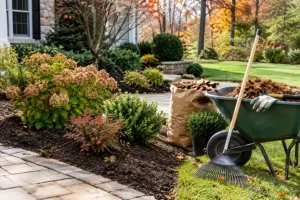
Mulch might not be glamorous, but it’s vital for healthy flower beds. It retains moisture, keeps roots cool, and adds a finished look. Organic mulches like bark or wood chips improve soil quality, while decorative stones add visual texture.
Ground covers work similarly while adding greenery. Creeping thyme, vinca, or ajuga fill bare spaces and prevent erosion, keeping your flower bed neat and lush.
Incorporating Paths Around Flower Beds
A great landscaping idea for large yards is building small walking paths around or through flower beds. They:
- Encourage exploration of your garden.
- Make maintenance easier.
- Create an organized, balanced layout.
Use stepping stones, gravel, or pavers to match your landscaping edging materials. Curve paths gently to invite people through the space naturally.
Lighting Ideas to Highlight Flower Beds
Outdoor lighting extends enjoyment of your garden even after sunset. Try these lighting techniques:
- Solar stake lights lining bed edges for soft illumination.
- Spotlights to highlight focal points or tall plants.
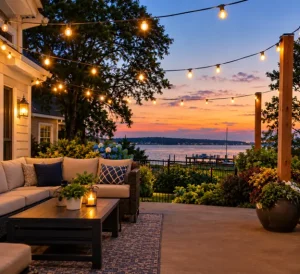
- String lights draped along trellises or fences for a romantic glow.
- Lanterns placed among flowers for cozy charm.
Position lights to avoid glare — the goal is to gently showcase your landscape’s beauty, not overpower it.
Adding Personality With Creative Touches
Personal details make your garden unique. Small decorative elements can elevate even simple landscaping ideas. Consider:
- Painted garden signs with fun quotes.
- Vintage containers repurposed as flower pots.
- Mosaic stones or colorful pebbles as landscaping edging.
- Upcycled items like old buckets or bike frames turned into planters.
Your flower bed should reflect your personality — playful, elegant, minimal, or colorful. Don’t be afraid to experiment.
Eco-Friendly Landscaping Choices
Sustainability in landscaping is more important than ever. Consider these eco-friendly landscaping ideas for your flower beds:
- Select native plants that thrive naturally in your climate.
- Use drip irrigation systems to conserve water.
- Add compost and organic fertilizers instead of chemicals.
- Choose recycled materials for edging and decor.
These practices not only help the environment but also make your garden healthier and easier to maintain.
Common Mistakes to Avoid
Even experienced gardeners can make mistakes. Avoid these to keep your flower beds thriving:
- Planting too many flowers too close together — leads to competition and stunted growth.
- Ignoring sunlight needs — some plants love full sun, others need shade.
- Forgetting drainage — poor soil drainage can drown roots.
- Using mismatched landscaping edging styles — keep a consistent look.
- Overwatering — a common cause of root rot.
A little planning prevents frustration and saves effort later.
The Finishing Touch: Maintaining Your Flower Bed
Ongoing care keeps your flower bed gorgeous for years. Key steps include:
- Deadhead spent blooms regularly to encourage new growth.
- Prune shrubs and perennials seasonally.
- Refresh mulch as needed for moisture retention.
- Fertilize lightly and weed often.
- Inspect your landscaping edging to maintain clean lines.
Maintenance doesn’t have to be daily — just consistent. A few minutes each week keeps everything neat and healthy.
Bringing Your Landscaping Ideas to Life
Designing eye-catching flower beds combines creativity with planning. By mixing textures, colors, and smart landscaping ideas, you can create a garden that feels alive and inviting. Balance bold blooms with graceful greenery, choose durable landscaping plants, and finish with stylish landscaping edging for a clean, professional look.
Your flower bed can be a serene escape, a burst of energy, or a proud centerpiece for your home — the choice is yours.
Ready to transform your yard into a colorful masterpiece? Start designing your flower beds today! Explore high-quality landscaping plants and durable landscaping edging materials from your local garden center or trusted suppliers online.
Don’t wait—the perfect garden begins with one great idea. Bring your vision to life with inspiring landscaping ideas that make your home shine inside and out.
For expert results, partner with Hawkins Landscaping Inc.. With over 50 years of experience serving Frederick County and surrounding areas, their team specializes in custom landscaping design, plant selection, and professional installation tailored to your style and budget.
Call (301) 898-3615 or visit hawkinslandscaping.com to schedule your consultation today. Ask about flexible financing options and let the experts turn your flower bed ideas into a vibrant, lasting outdoor space.