
Late fall, when daylight shortens and the last leaves hit your yard, signals a critical turning point for every homeowner’s outdoor maintenance. While summer’s lush growth fades and winter remains weeks away, the window for proactive lawn care and lawn maintenance closes swiftly. Ignoring late fall cleanup isn’t just a matter of curb appeal; it can directly impact your yard’s health, your spring landscaping efforts, and even your property’s value.
This in-depth guide outlines the vital reasons for late fall cleanup, authoritative tips for handling every step, and proven strategies to ensure your lawn and landscape survive the cold months looking their best. Whether you DIY or hire a trusted lawn care service, every brushstroke in this seasonal prep makes a major difference when winter sets in.
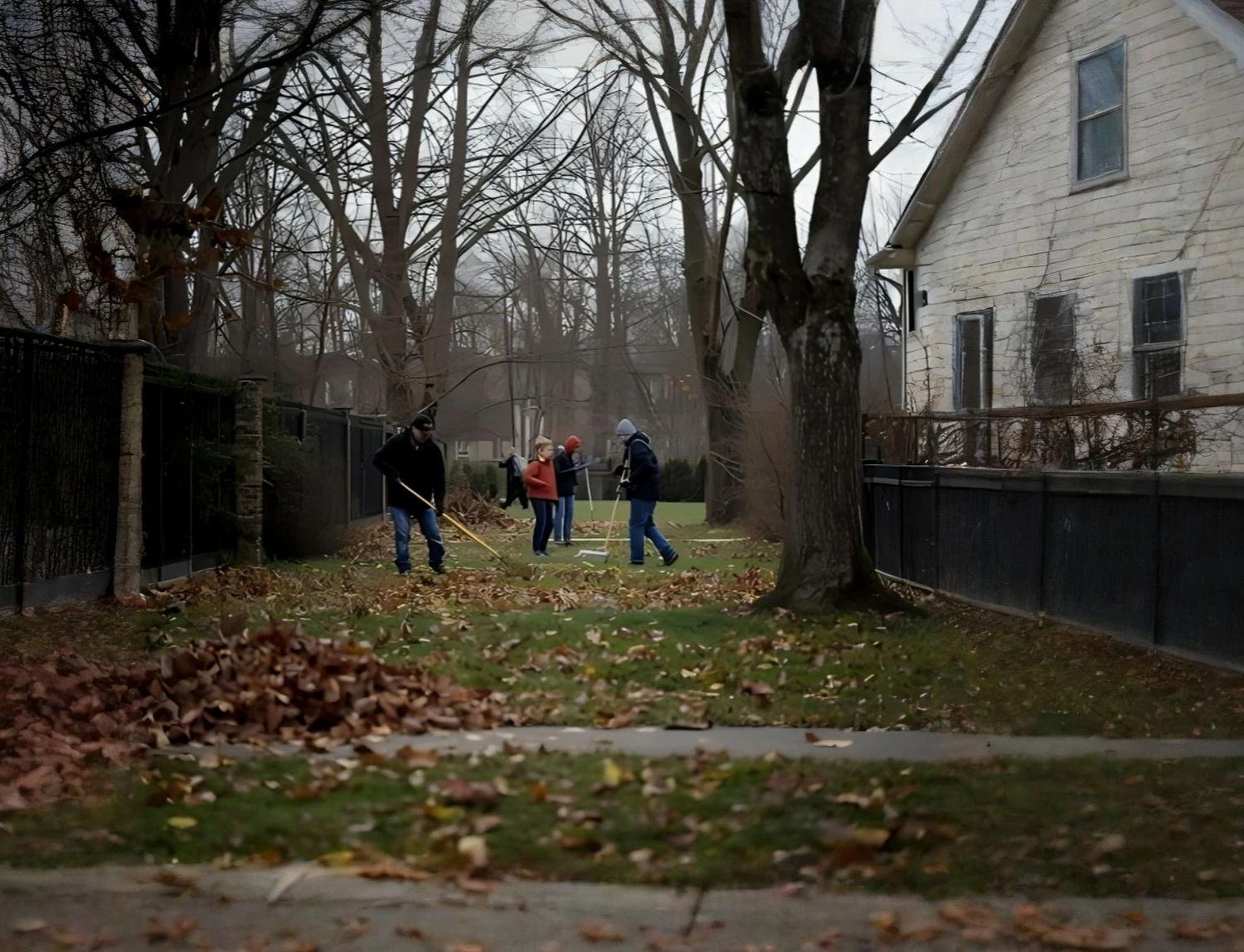
Why Late Fall Cleanup Matters
Many homeowners skip late fall cleanup, thinking the first frost already puts nature “on pause.” This is a costly mistake — and one that can silently sabotage lawn health, soil quality, and even structural aspects of your property. Here’s why a thorough cleanup matters:
- Protects Grass Health: As lawns go dormant, leftover debris, leaves, and moisture can breed fungal diseases and suffocate turf. Fall cleanup lets grass “breathe” and prepares roots for cold stresses.
- Prevents Pest Problems: Piles of leaves and organic clutter shelter rodents, insects, and pathogens. Removing them denies pests a safe haven near your home.
- Improves Soil Quality: Late season aeration and mulch applications balance soil nutrients and reduce compaction — improving drainage for healthier spring grass.
- Boosts Curb Appeal: Winter landscapes look neater with trimmed shrubs and leaf-free lawns. Neatness deters both pests and mold, preserves plant health, and shows pride in ownership.
- Reduces Spring Workload: Skipping fall cleanup means double work in spring. You’ll spend more time and money repairing damage, replanting, and cleaning up winter’s mess.
Skipping these steps risks brown, patchy lawns, dead plants, and costly repairs when your yard thaws in March.
Key Elements of Late Fall Cleanup
Every successful late fall cleanup addresses both visible debris and the hidden needs of your yard’s ecosystem. Here are the steps experts recommend to maximize your lawn care and lawn maintenance:
1. Leaf Removal and Debris Clearing
Fallen leaves and twigs may look picturesque, but they quickly block sunlight and air. This creates conditions ripe for disease and insect infestations.
- Use mulching mowers to chop leaves into tiny pieces; this adds organic matter back without smothering grass.
- Rake out dense leaf piles especially from shrub beds and under trees.
- Remove fallen branches, sticks, and garden debris, as these can attract pests.
Tip: Don’t just clear the front yard — address hard-to-reach corners, flower beds, sidewalk edges, and driveways.
2. Mowing One Last Time
A final mow at the right height is key for healthy grass overwintering.
- Lower mower blades to 2-2.5 inches for cool-season grass. This prevents matting and disease while still providing protection from cold.
- Keep blades sharp for a clean cut; shredded ends invite fungus.
Late mowing keeps grass healthy but avoids cutting too short.
3. Aeration and Overseeding
Compacted soil from summer activity reduces water absorption and root strength. Aerate in late fall for the best soil and grass health.
- Use core aerators to punch holes at 2-3-inch intervals.
- Apply topdressing or compost to fill holes and improve nutrient absorption.
- Overseed bare patches with cold-resistant grasses — they’ll germinate before temperatures drop.
Aeration is particularly vital for high-traffic lawns and clay soils.
4. Fertilizing and Soil Conditioning
Fall fertilizer is a secret weapon for vibrant spring lawns.
- Apply slow-release, high-potassium fertilizer (look for formulas labeled “winterizer”) which strengthens roots and enhances cold tolerance.
- Avoid high nitrogen blends that spur leafy growth, as it won’t benefit dormant grass.
- Consider soil tests to target deficiencies with organic amendments.
Proper nutrition means your lawn comes back thicker, greener, and more resilient.
5. Pruning Trees and Shrubs
Prune dead wood or diseased branches before winter storms hit.
- Use sharp pruners for clean cuts.
- Remove branches that might break from snow or ice load.
- Shape overgrown shrubs for balanced growth and easier spring care.
Pruning deters disease, improves air flow, and gives your landscape a crisp, cared-for look.
6. Mulching and Bed Preparation
Fresh mulch locks in moisture and shields plant roots against freeze-thaw cycles.
- Spread a 2-3 inch layer around trees and ornamental plants, keeping mulch clear of trunks.
- Don’t use too much — excess mulch can harbor pests.
- Turn compost piles one final time; cold slows the breakdown of organic matter.
Proper mulching is both aesthetic and functional, reducing erosion and protecting valuable plantings.
7. Lawn Edging and Hardscape Cleaning
Clear edges, patios, driveways, and pathways.
- Use trimmers for sharp lawn borders.
- Wash hard surfaces to remove moss, algae, and stains.
- Clear gutters and downspouts; blockages from fall debris can cause ice dams and damage.
A neat finish shows off your landscaping investments and reduces long-term repair bills.
8. Winterizing Irrigation and Outdoor Fixtures
Frozen pipes and sprinkler heads can crack and leak come spring.
- Shut off and drain irrigation systems; blow out lines if possible.
- Disconnect hoses and store them indoors.
- Cover outdoor faucets with insulated caps.
Proactive winterizing saves you costly plumbing repairs and keeps outdoor features safe.
Long-Term Benefits of Late Fall Lawn Care
Late fall cleanup is more than routine maintenance — it’s an investment in your yard’s beauty and resilience. Here’s what it delivers beyond the immediate tidy appearance:
- Disease Prevention: Disease spores thrive in wet leaves and dense turf. Cleanup drastically reduces the risk.
- Stronger Spring Growth: Roots fed and protected during fall respond with faster, thicker growth in spring.
- Less Pest Damage: Many overwintering pests rely on neglected yard debris.
- Water Efficiency: Aerated and fertilized soil allows better water uptake.
- Higher Property Value: Well-maintained landscapes impress buyers and boost curb appeal.
Neglect here means higher repair bills, infections, and a spring landscape that lags behind well-kept neighbors.
Common Late Fall Cleanup Mistakes (and How to Avoid Them)
Every lawn care expert sees homeowners repeat preventable errors each year. Avoid these missteps for best results:
- Leaving Leaf Piles Intact: Even a small heap can suffocate grass and spread mold.
- Skipping Aeration or Fertilization: Believing grass is “dead for the season” limits next year’s growth.
- Neglecting Hidden Debris: Flower beds, edges, and behind outdoor structures need as much attention as open lawns.
- Over-Mulching or Wrong Mulch: Mold and pest infestations can follow too much or poor-quality mulch.
- Failing to Winterize Water Features: Waiting until it’s freezing risks burst pipes and fixture damage.
Remedying these mistakes early is much easier than fixing the effects later.
DIY vs. Professional Lawn Maintenance: Making the Right Call
For most homeowners, late fall cleanup is manageable — yet some tasks benefit from pro expertise.
DIY Advantages
- Cost savings on labor.
- Opportunity for hands-on learning about your landscape.
- Satisfaction and control over timing.
Professional Lawn Care Advantages
- Expert diagnosis of soil, grass, and plant needs.
- Specialty equipment for aeration, leaf mulching, and fertilizing.
- Teams handle large jobs swiftly and safely.
- Pro lawn maintenance services typically guarantee results and can spot issues you may miss.
For larger yards, busy families, or those who want “set it and forget it” maintenance, hiring a local lawn care company is well worth the investment.
Tools and Supplies for Late Fall Yard Cleanup
To streamline your cleanup, stock these essentials:
- Mulching mower and leaf rake.
- Core aerator (manual or rented).
- Winterizer fertilizer and spreader.
- Pruning shears and loppers.
- Wheelbarrow or yard waste bags.
- Mulch or compost.
- Hose and irrigation shutoff kit.
Investing in good tools saves time and repeatedly delivers results — season after season.
How Late Fall Lawn Care Differs from Spring and Summer
Not all lawn maintenance is the same. Late fall is distinct for its focus on protection, not growth.
- Spring: Overseeds and fertilizes for new growth, cleans up winter debris.
- Summer: Watering, mowing, pest control, stress management from heat.
- Late Fall: Prepares, tidies, and safeguards roots and soil before dormancy.
Matching your techniques to the season is a mark of truly expert lawn care.
How Weather Affects Your Late Fall Cleanup Plans
Pay close attention to your local forecast. Here’s why timing is everything:
- Cleanup after leaf drop and before ground freezes yields best results.
- Avoid working during heavy rain or right after a frost to minimize soil compaction.
- If snow arrives early, prioritize leaf removal and basic tidying first.
In Frederick County, MD and similar regions, target early to mid-November for a comprehensive cleanup.
Landscaping Tips: Incorporating Seasonal Decor
Late fall is also a chance to add inviting curb appeal with minimal effort.
- Simple ornamental grasses stand out once summer blooms fade.
- Hardy pansies and mums add touches of color.
- Strategically placed outdoor lighting (solar path lights, spotlights) enhances both safety and aesthetics.
- Consider weatherproof seasonal planters, festive garden flags, or string lights for a welcoming vibe.
Combining cleanup with smart design makes your lawn a four-season asset.
Frequently Asked Questions: Late Fall Cleanup, Lawn Care, and Lawn Maintenance
1. Should I water my lawn during late fall?
Yes, if the season remains dry and before temperatures consistently dip below freezing, give your lawn one last deep watering.
2. Is it too late to treat weeds?
Early fall is best, but late fall spot-treats are okay—choose pre-emergent or targeted herbicides for perennial weeds.
3. Can I skip aeration if my lawn looks healthy?
Aeration benefits nearly all lawns, especially those with frequent foot traffic or clay soils.
4. What’s the difference between fall and spring fertilizer?
Fall fertilizer prioritizes root growth and storage of energy, while spring blends boost top growth and green-up.
5. Do all yards need winterizing?
Every yard benefits from some winterization, but priorities vary by climate and landscape type.
The Value of a Proper Fall Cleanup Before Winter
Ready for a healthier, neater yard all winter and a head start on spring? Don’t wait until the snow falls—schedule your late-fall yard cleanup today! For full professional lawn maintenance, taking action now ensures easier and more beautiful landscaping next season.
Hawkins Landscaping Inc., proudly serving Frederick County and surrounding areas for over 50 years, offers customized lawn care, seasonal cleanup services, and expert landscaping guidance you can rely on. Their team delivers reliable results, professional care, and flexible financing options to protect your investment and enhance your curb appeal all year long.
📞 Call (301) 898-3615 or visit hawkinslandscaping.com to request your free cleanup estimate and enjoy a vibrant, winter-ready yard with Hawkins Landscaping Inc.—your trusted local lawn care experts.


