Native plants represent the ultimate solution for low maintenance landscaping, thriving naturally in local conditions to slash water use, eliminate chemical needs, and minimize ongoing lawn care efforts. By choosing species adapted to your region’s soil, climate, and pests, homeowners achieve beautiful, resilient yards with far less landscaping maintenance than traditional turf or non-native plants. This sustainable approach not only reduces costs but also helps boost biodiversity—making it ideal for eco-friendly lawn care in areas like Frederick County, MD, where modern homeowners are prioritizing smart, long-term landscaping solutions that protect both the environment and their budget.
Native landscaping also improves soil health and long-term yard durability, making it a smart foundation for low maintenance landscaping. Deep-rooted native grasses, shrubs, and wildflowers naturally prevent erosion, enhance drainage, and support beneficial insects like pollinators. These plants can withstand seasonal changes and droughts with minimal watering, making them ideal for homeowners seeking a low-effort, high-impact lawn. With less reliance on fertilizers, pesticides, and constant mowing, native landscaping creates healthier outdoor spaces while reducing maintenance time—allowing homeowners to enjoy vibrant lawns that work with nature, not against it.
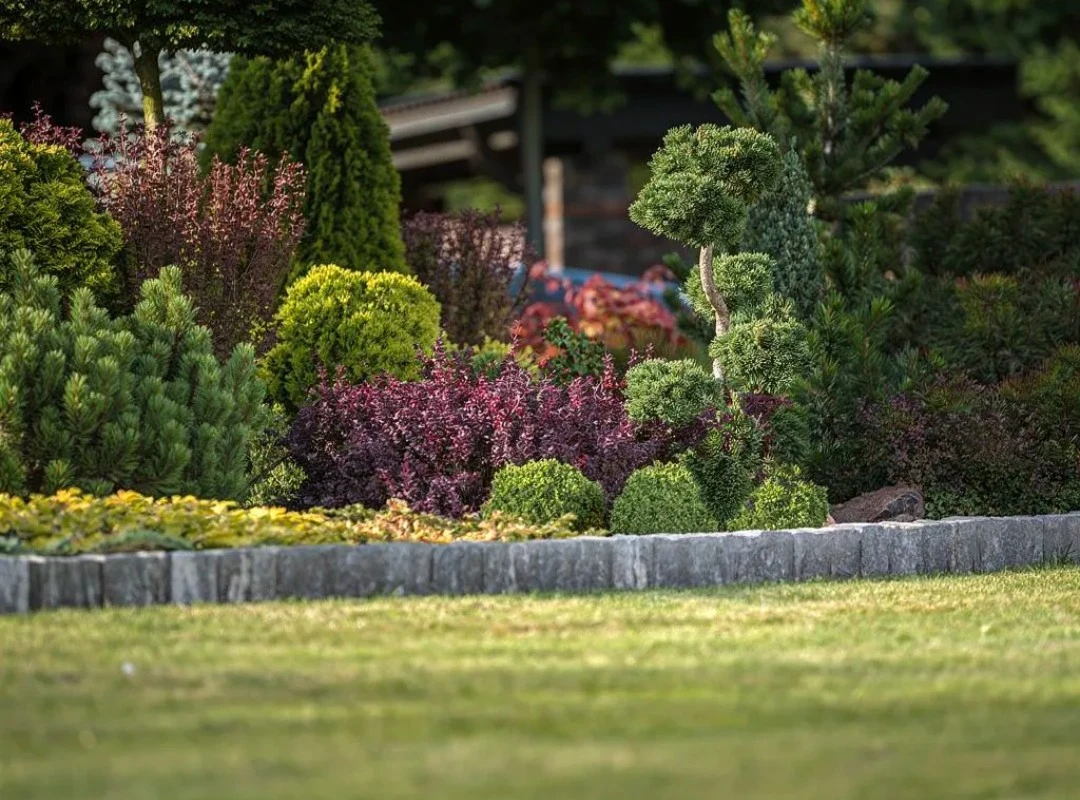
Defining Native Plants for Low Maintenance Landscaping
Plants considered native grow naturally in a specific region before the human introduction of non-local species. Over time, they adapt perfectly to local precipitation, soils, and weather patterns. In the mid-Atlantic, examples include black-eyed Susan, switchgrass, and serviceberry, which demand no soil amendments or special care once established. These plants support low maintenance landscaping by resisting local diseases without pesticides, unlike imported varieties that struggle and require constant intervention.
Their deep root systems enhance soil health, prevent erosion, and store water efficiently, reducing flooding risks during heavy rains common in seasonal climates. Gardeners save on fertilizers since natives pull nutrients from existing soils, aligning with effortless lawn care routines.
Core Benefits for Low-Maintenance Landscaping
Plants that are naturally adapted to a region dramatically reduce landscaping maintenance by needing less water—up to 60-80% reduction compared to traditional lawns. This makes them ideal for low maintenance landscaping, as their drought tolerance, honed over millennia, minimizes ongoing upkeep. They skip fertilizers and pesticides, as built-in defenses handle local pests, lowering bills and health risks from chemicals.
Key advantages include:
- Water savings: Adapted to regional rainfall, they thrive post-establishment without irrigation, conserving resources amid rising utility costs.
- Pest resistance: Co-evolved with area insects, reducing spray needs and protecting pollinators like bees and butterflies.
- Soil protection: Deep roots stabilize earth, curb erosion, and improve fertility naturally, ideal for sloped yards.
- Cost efficiency: Less mowing, pruning, and replacements mean more leisure time and lower long-term expenses.
These traits transform high-effort yards into self-sustaining ecosystems, perfect for busy homeowners seeking smart lawn care.
Environmental Wins Beyond Maintenance
Plants adapted to local conditions provide major environmental wins while supporting low maintenance landscaping. They foster wildlife habitats, drawing birds, butterflies, and beneficial insects that control pests naturally, enhancing biodiversity right in your backyard. They filter pollutants, absorb carbon dioxide—a mature tree alone captures over 48 pounds yearly—and mitigate urban heat islands.
In flood-prone areas, their roots hold soil during storms, protecting streams and estuaries from runoff. This eco-boost supports pollinators vital for food crops, while reducing neighborhood water demands for collective sustainability.
Year-round appeal comes from seasonal blooms, berries, and foliage, blending beauty with function in low-maintenance landscaping designs.
Cost Savings in Lawn Care and Landscaping Maintenance
Switching to natives slashes water bills by relying on natural precipitation, with many regions reporting 75% drops in usage. Eliminate weekly mowing—meadows need just seasonal trims—freeing weekends from low maintenance landscaping drudgery.
Pesticide and fertilizer costs vanish, as plants self-regulate; one study notes up to 80% savings on yard upkeep. Over years, property values rise with resilient, water-wise landscapes that appeal to eco-conscious buyers.
For Frederick County yards, natives like little bluestem grass cut landscaping maintenance to occasional weeding, yielding ROI through durability.
Selecting Natives for Your Climate for Low Maintenance Landscaping
Match plants to your USDA zone—mid-Atlantic (6-7) favors asters, coneflowers, and oaks for pollinator magnets and shade. Start with soil tests to confirm drainage, then layer heights: groundcovers like wild strawberry, mid-perennials such as bee balm, and shrubs like inkberry holly.
Mix evergreens for winter structure and spring ephemerals for bursts of color, ensuring continuous interest without extra inputs. Avoid invasives by sourcing from local nurseries certified for natives.
Regional picks for low-maintenance:
- Sun: Black-eyed Susan (Rudbeckia), purple coneflower (Echinacea)—drought-proof bloomers.
- Shade: Foamflower (Tiarella), wild ginger—erosion fighters.
- Wet areas: Swamp milkweed, buttonbush—attract monarchs while handling moisture.
This curated approach streamlines low maintenance landscaping selection.
Step-by-Step Native Plant Installation
Prepare by clearing invasives and amending only if needed—natives prefer untouched soil for authentic low maintenance landscaping. Plant in fall or spring during dormancy, spacing per species guidelines to allow natural spread.
Water deeply but infrequently first season to root; mulch with leaves to mimic forest floors and suppress weeds. Skip fertilizers—overfeeding weakens adaptations—and monitor for one year before minimal intervention.
Installation checklist:
- Test soil pH and texture.
- Group by water/light needs (hydrozones).
- Add hardscape like stone paths for cohesion.
- Track progress with apps for seasonal notes.
Expect establishment in 1-2 years, then true hands-off bliss.
Design Ideas for Stunning, Effortless Yards
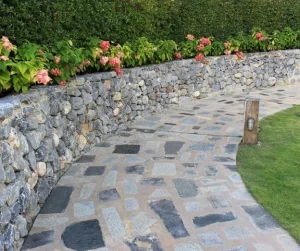
Create meadows replacing turf: seed switchgrass and wildflowers for waving fields needing one annual mow. Layer borders with shrubs fronted by perennials, integrating paths from local stone for authentic appeal, perfect for low maintenance landscaping.
Rain gardens handle downspouts, featuring ferns and sedges that purify runoff while beautifying. Vertical natives on trellises save space, like Virginia creeper for privacy without pruning marathons.
Design templates:
- Front yard: Pollinator strip with goldenrod and lavender for curb appeal.
- Backyard oasis: Woodland edge with serviceberry trees and ferns.
- Container accents: Native sedums for patios, zero soil fuss.
These yield four-season beauty with peak landscaping maintenance under 5 hours yearly.
Common Myths Debunked
Myth: Natives look weedy.
Reality: Selective cultivars offer tidy forms rivaling hybrids, with superior resilience. They demand initial planning but deliver perpetual vibrancy sans chemicals.
Myth: Too hard to source. Local extension services and native plant sales abound, often cheaper long-term. Once set, they outperform non-native species in harsh weather, cutting lawn care failures.
Myth: No color variety. Blooms span rainbow hues across seasons, far beyond monoculture grass.
Long-Term Care for Peak Performance
- Year one: Weekly checks, supplemental water during drought.
- Year two+: Annual spring cleanup, divide crowded clumps every 3-5 years.
- Let leaves decompose as mulch, boosting soil microbes naturally.
- Weed early invasives, but natives crowd them out over time.
- Prune minimally—most self-shape—for authentic low-maintenance landscaping.
- Monitor wildlife: birds seeding new plants reduces replanting.
This passive system evolves, enhancing biodiversity annually.
Why Frederick County Homeowners Win Big
Local clay soils and humid summers suit natives like mountain mint and oak saplings, slashing irrigation amid water restrictions. Pair with hardscaping for drought-proof curb appeal that boosts resale by 10-15%.
Seasonal shifts—vibrant falls, pollinator summers—fit Maryland’s rhythm, minimizing lawn care to joy, not chore.
Conclusion: Low Maintenance Landscaping with Native Plants
Native plants are more than just a landscaping trend—they are a long-term investment in sustainability, soil health, and effortless beauty. By embracing species naturally adapted to Frederick County’s climate and soil conditions, homeowners can enjoy lush, vibrant outdoor spaces without the constant watering, mowing, and chemical treatments required by traditional lawns. Incorporating native plants into low maintenance landscaping supports pollinators, improves drainage, strengthens soil, and reduces maintenance costs year after year—proving that the smartest lawn care is also the most eco-friendly.
Whether you’re refreshing a small front yard or reimagining a full property, native plants deliver unbeatable value and resilience. With the right design, installation plan, and expert guidance, any yard can become a self-sustaining ecosystem that thrives naturally with minimal effort. Now is the perfect time to make the switch—choose native plants, reduce landscaping maintenance, and enjoy a beautiful yard that works in harmony with nature. For homeowners in Frederick County, MD seeking professional support, partnering with local lawn care and landscaping experts ensures a smooth transition to a greener, healthier, and low-maintenance outdoor space built to last.
Contact a professional lawn care specialist today to schedule your consultation and receive a customized plan tailored to your lawn’s needs. With expert advice, targeted treatments, and consistent maintenance, you can enjoy a healthy, vibrant, and envy-worthy lawn all year round.
Hawkins Landscaping Inc., proudly serving Frederick County and surrounding areas for over 50 years, provides comprehensive lawn care services, seasonal maintenance, pest control, fertilization, and irrigation solutions—all designed to keep your outdoor spaces thriving. Flexible financing options are available to make expert care more accessible.
Call (301) 898-3615 or visit hawkinslandscaping.com to book your lawn care consultation and start your lawn transformation today!