Why Your Landscaping Design Matters
Your yard is often the first thing people notice about your home, and it quietly tells a story about how well the property is cared for. A modern landscaping design does much more than add plants and mulch; it shapes how you use your outdoor space, how safe and comfortable it feels, and how much curb appeal your home has. Thoughtful landscaping for front of house spaces, side yards, and backyards can increase property value, complement your architecture, and create outdoor rooms that work as hard as the interior of your home.
Over time, though, even the best plans fall behind your needs. Plants mature, lifestyles change, hardscapes shift, and what once looked fresh can begin to feel tired and outdated. Recognizing the early signs that it is time for a fresh landscaping design helps you avoid wasting money on patchwork fixes that never really solve the problem.
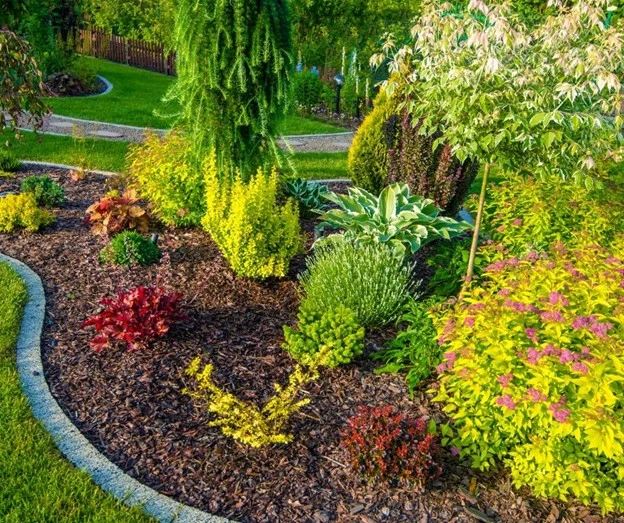
Signs Your Yard Needs a Fresh Landscaping Design
Sign 1: Your Yard Looks Tired, Cluttered, or Outdated
One of the clearest signs it is time to rethink your landscaping and lawn is when your yard simply looks “off” no matter how much you water, weed, or trim. Maybe it looked great 10–15 years ago, but today the style feels dated, the layout feels busy, or your front entry is getting lost behind overgrown shrubs. When your outdoor space no longer reflects your taste or your home’s current style, a full design update can make a dramatic difference.
Visual Red Flags in the Front Yard
The front yard is where curb appeal starts, which makes landscaping for front of house areas especially important. When visitors pull up, they should see a clean, organized, and welcoming scene—not a jumble of plants and hardscape features. Common visual warning signs include:
- Overgrown foundation shrubs that are taller than your windows or rubbing against your siding.
- Mismatched plants added over many years with no unifying structure or color scheme.
- Narrow, cracked walkways that feel cramped or unsafe.
- Old edging, crumbling retaining walls, or faded mulch that drag down the overall look.
- A front door hidden by greenery instead of highlighted with thoughtful framing plants and lighting.
These problems not only make your home look older than it is, they also make the space harder to maintain. The more you fight your landscaping and lawn to keep it looking neat, the more you know something isn’t working in the underlying design.
Outdated Design Choices
Just like interior design, outdoor styles change over time. What used to be popular—such as rows of identical evergreen shrubs, busy ornamental borders, or oversized rock features—can now make a property look dated. Other outdated choices include:
- Too many small planting beds scattered around with no clear hierarchy or focal point.
- Mulch volcanoes around trees instead of properly defined, clean tree rings.
- Decorative items (figurines, old birdbaths, solar lights from decades ago) that compete visually with the plants and architecture.
- Straight, rigid bed lines that fight the natural flow of the property.
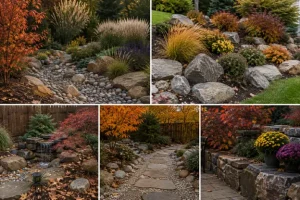
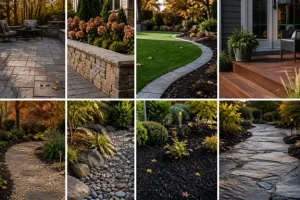
A modern landscaping design emphasizes clean lines, intentional focal points, and a balance of structure and softness. In the front yard, this often means simplifying the plant palette, widening walkways, and using layered plantings that gradually step up from lawn to house. When your yard still shows design trends from years past, it is a strong sign a professional refresh could instantly increase your curb appeal.
When TLC Isn’t Enough
Another clue that cosmetic touch‑ups are no longer enough is when every season feels like a losing battle. You might find yourself constantly:
- Re‑edging beds that no longer line up with how you want to use the space.
- Replanting flowers that never seem to thrive because the bed is in the wrong location or has the wrong light.
- Fighting bare spots in the lawn where foot traffic, shade, or poor grading are really to blame.
- Adding more and more plants in an attempt to hide structural issues, like a too‑narrow walkway or a steep slope.
When ongoing fixes do not produce the look you want, the problem is rarely your effort; it is the design itself. A fresh landscaping design rethinks the layout from the ground up—grading, bed shapes, plant groupings, and hardscape—so your maintenance actually produces results instead of frustration.
Sign 2: Your Outdoor Space No Longer Fits Your Lifestyle
The second sign it is time to rethink your landscaping and lawn is when your current yard layout no longer fits how you live. Maybe you bought the home before kids or pets were in the picture. Maybe you used to host large parties and now want a quieter, low‑maintenance retreat. Or perhaps you work from home more and want a beautiful view from your office instead of staring at neglected beds and patchy grass.
Your Yard Feels Hard to Use
A well‑planned landscaping design organizes outdoor space the way good interior design organizes rooms. When the layout is wrong, you “feel” it every time you step outside. Common signs include:
- No clear gathering space for friends and family to sit, dine, or relax.
- A patio that is too small or far from the door, making outdoor meals inconvenient.
- A grill floating in the middle of the yard without a defined cooking area.
- Kids or pets wearing the same muddy path across the lawn because there is no designated play zone.
- Garden beds that block how you naturally walk through the space instead of guiding you.
These problems indicate that the circulation patterns and “zones” in your yard are not aligned with how you actually live. A thoughtful redesign can create areas for dining, lounging, playing, and gardening, all tied together with comfortable paths and transitions.
Maintenance Demands Are Overwhelming
Life changes, and what once felt manageable can become too much. If you find your weekends consumed by yard work you resent, your property is telling you it’s time for a different strategy. Warning signs include:
- Flower beds packed with high‑maintenance plants that need constant deadheading, staking, or disease control.
- A thirsty lawn that demands heavy watering and frequent mowing to look just okay.
- Shrubs and hedges that need trimming several times a season to avoid swallowing walkways or windows.
- Irrigation that never seems to be set quite right, leaving some areas soaked and others bone dry.
A new landscaping design can prioritize lower‑maintenance solutions, such as drought‑tolerant plants, native species, better soil preparation, and efficient irrigation. This approach allows you to enjoy a healthy landscaping and lawn setup without feeling like you are constantly playing catch‑up.
Your Needs and Goals Have Changed
Your outdoor space should support your current goals, not the goals you had a decade ago. Consider whether your yard:
- Offers a safe, visible play area where you can supervise kids from the porch, kitchen, or living room.
- Provides privacy screening from neighbors or the street where necessary.
- Includes comfortable pathways and lighting for anyone with mobility concerns.
- Supports hobbies like vegetable gardening, outdoor cooking, or relaxing by a fire pit.
If the answer to most of these is no, it is time to rethink the entire layout—not just swap out a few plants. A modern landscaping design can carve out usable spaces without sacrificing the open feel of the yard. Instead of one large, undefined lawn, you might end up with a balanced mix of grass, planting beds, seating areas, and pathways that work together.
Sign 3: Your Landscaping Is Creating Problems (Not Solving Them)
The third major sign that you need a fresh landscaping design is when the yard starts to create real problems—safety issues, drainage headaches, or damage to your home. Good landscaping and lawn solutions should protect your property and make it more comfortable. When neglected or poorly planned elements start causing trouble, it is time for a comprehensive redesign instead of small repairs.
Drainage, Erosion, and Water Issues
Water is one of the most important factors in any landscaping project. Poor grading, failing hardscapes, or inadequate planting can lead to:
- Standing water near the house after rain, which can threaten your foundation.
- Erosion on slopes, washing away topsoil, mulch, and plant roots.
- Constantly soggy lawn areas where grass never grows properly.
- Mulch and soil washing onto sidewalks, patios, or into driveways.
These issues are not just inconvenient—they can be expensive if left unresolved. A new landscaping design can regrade problem areas, add French drains where needed, incorporate dry creek beds or rain gardens, and choose plants that help stabilize soil. Instead of fighting water, the design channels it away from your home and uses it strategically.
Failing Hardscapes and Safety Concerns
Over time, patios sink, pavers shift, and steps settle. When hardscape features start failing, it puts both safety and appearance at risk. Warning signs include:
- Cracked or uneven walkways that create tripping hazards.
- Loose or wobbling steps, especially at the front entry.
- Retaining walls that are leaning, bulging, or showing gaps between blocks.
- Old wood decks that are splintering, rotting, or no longer meet your needs.
While individual repairs may be possible, these issues often point to a deeper design or installation problem. A full redesign can replace failing materials, correct slope and base preparation, and integrate new hardscapes with your updated landscaping for front of house and backyard spaces.
Unhealthy Plants and Struggling Lawns
If your plants and lawn are constantly struggling—despite your best efforts—it is likely that the original design did not account for real‑world conditions such as soil type, sun exposure, and traffic patterns. Signs of deeper problems include:
- Trees planted too close to the house, lifting sidewalks or threatening the roof.
- Shrubs that constantly battle pests or disease because they are in the wrong microclimate.
- Shade‑loving plants burnt by full sun, or sun‑lovers languishing in shade.
- A patchwork lawn with thin grass, weeds, and compacted soil that never really improves.
A fresh landscaping design looks at the property as a system. Instead of forcing plants to survive in unsuitable spots, it assigns the right plant to the right place. It may reduce lawn in problem areas, converting them to planting beds or hardscape, while restoring the remaining lawn with soil amendments, aeration, and better irrigation. This holistic approach not only looks better, it is more sustainable and cost‑effective over time.
How a Fresh Landscaping Design Transforms Your Home
Recognizing the signs is only the first step; the real impact comes when you act on them. A professional, updated landscaping design can completely change how your home looks and how you feel about spending time outside.
Boosted Curb Appeal and Home Value
Improved landscaping for front of house areas is one of the most reliable ways to boost curb appeal. A clean entry, bold focal points near the door, updated walkways, and healthy plants create an immediate impression of care and quality. This is especially important if you are planning to sell, but even if you intend to stay, the daily satisfaction of coming home to a beautiful property is significant.
Strategic updates—such as widening your front walkway, adding accent lighting, and framing the entry with well‑scaled plants—also improve photos for real‑estate listings and online maps. Thoughtful landscaping and lawn improvements are frequently cited as upgrades that deliver a strong return on investment.
More Usable, Enjoyable Outdoor Space
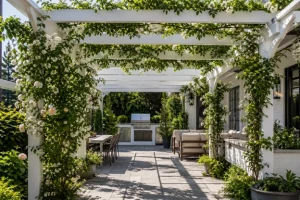
A fresh design can turn underused square footage into functional outdoor rooms. Instead of one “big yard” that no one quite knows how to use, you might gain:
- A comfortable patio or deck for dining and relaxing.
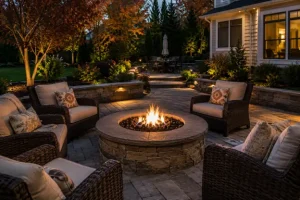
- A fire pit area for cool evenings.
- A defined play zone for kids or pets, with durable surfaces that protect the rest of the lawn.
- A small herb or vegetable garden located where you’ll actually tend it.
By aligning the design with your daily routines, you can treat your yard as an extension of your living space instead of an afterthought.
Lower Maintenance and Better Long‑Term Performance
A modern landscaping design also pays attention to long‑term maintenance. The right plant choices, properly sized beds, and correct spacing mean less pruning, fewer replacements, and lower water use. Efficient irrigation, mulch, and soil improvements help your landscaping and lawn stay healthy with less effort.
In the long run, this balanced approach saves money on constant “band‑aid” fixes and gives you a yard that works with you instead of against you.
Simple First Steps Toward a New Design
If you see yourself in any of these three signs—outdated appearance, lifestyle mismatch, or recurring problems—it is time to explore a fresh landscaping design. You do not have to overhaul everything at once, but taking the right first steps will set you up for success.
Walk your property with a critical eye
- Take photos from the street, the driveway, and your main indoor rooms looking out.
- Note what you like, what you dislike, and where you feel frustrated or unsafe.
Clarify how you want to use the space
- Think about whether you want more entertaining space, more privacy, safer play areas, or lower maintenance.
- Prioritize your top two or three goals so your design can focus on what matters most.
Set a realistic budget and timeline
- Decide whether you want to tackle the project all at once or in phases (front yard this year, backyard next).
- Remember that investing in quality design and installation typically pays off in longevity and fewer problems.
Consult a professional landscaping designer
- An experienced designer can identify grading issues, plant health concerns, and style opportunities you might not see.
- They can create a cohesive plan that addresses your landscaping and lawn challenges instead of treating each symptom separately.
Conclusion: Transform Your Yard with a Fresh Landscaping Design
If your landscape looks tired, no longer fits your lifestyle, or is causing ongoing problems, now is the perfect time to plan a fresh landscaping design. Instead of spending more on quick fixes and temporary patches, invest in a layout that improves your curb appeal and truly supports the way you live.
Hawkins Landscaping Inc., proudly serving Frederick County and nearby areas for over 50 years, specializes in custom landscape redesign, front yard transformations, and functional outdoor solutions built to last. Whether you need a full redesign, updated plant layout, drainage correction, or lawn restoration — their team can create a plan that matches your vision, lifestyle, and budget. Flexible financing options are available to help you start sooner and stress less.
Ready to transform your outdoor space into a yard that finally feels like home?
Call (301) 898-3615 or visit hawkinslandscaping.com today.
From front-of-house landscaping to complete backyard upgrades — Hawkins Landscaping Inc. brings your vision to life with expert care and proven results.