Drought-tolerant landscaping plants are a smart choice if you want a beautiful yard without wasting water. Options like succulents, ornamental grasses, lavender, and native shrubs not only survive in dry conditions but also add color, texture, and structure to your landscaping design. By choosing the right mix of plants, you can create a landscaping yard that looks vibrant, stays healthy, and requires less maintenance over time.
This guide explains the best plants to use, how to arrange them for visual impact, and how to improve your landscaping yard with simple, budget-friendly ideas that match your style while supporting long-term sustainability.
Why Drought-Tolerant Landscaping Plants Are a Smart Choice
Water can be expensive, and many places have dry weather for long parts of the year. Drought-tolerant plants help you save water because they need less watering once they are established. They also work well in hot climates and poor soil conditions.
These plants can lower your maintenance work too. That means less watering, less trimming, and less worry during dry seasons. With the right plan, you can create a yard that is both beautiful and practical.
What Makes a Plant Drought-Tolerant
A drought-tolerant plant can survive with little water once it has grown roots. Many of these plants have deep roots, thick leaves, small leaves, or gray-green color that helps them hold moisture.
Some come from dry regions naturally, so they already know how to handle heat and low rainfall. Others are adapted to dry gardens after growing in tough conditions for a long time. That is why plant choice matters so much in a water-saving yard.
Best Drought-Tolerant Plants
Here are some of the best plants to consider for a water-smart yard.
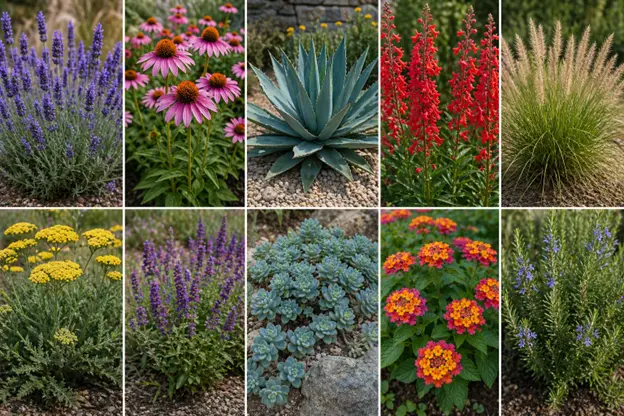
- Lavender. This plant has fragrant purple flowers and loves full sun.
- Salvia. It adds color and attracts pollinators while using little water.
- Russian sage. It grows tall, airy, and soft-looking in dry areas.
- Yarrow. It has flat flower clusters and handles heat very well.
- Agave. It brings a bold, sculptural look to the yard.
- Aloe. It stores water in its leaves and works well in warm climates.
- Rosemary. This herb looks nice, smells great, and handles dry weather.
- Sedum. It is a low-growing plant that fits well in borders and rock gardens.
- Ornamental grasses. These add movement and texture without much watering.
- Coneflower. It is colorful, tough, and useful for pollinators.
These landscaping plants are popular because they combine beauty with easy care. They also work in many different types of landscaping design.Native Plants Save More Water
Native plants are one of the best choices for a low-water yard. They already grow in your local climate, so they often need less watering, less fertilizer, and less help overall.
If you choose native flowers, shrubs, and grasses, your yard can look more natural too. Native plants often support bees, butterflies, and birds, which makes your outdoor space feel alive. This is a simple way to improve your landscaping yard while also helping the environment.
Shrubs That Handle Dry Weather
Shrubs can give your yard shape, privacy, and year-round structure. Good drought-tolerant shrubs include:
- Juniper.
- Oleander.
- Texas sage.
- Manzanita.
- Butterfly bush in some climates.
These shrubs can fill open spaces without needing constant watering. They also make good backdrops for smaller flowers and groundcovers. If your yard feels empty, shrubs can help it feel complete and pair well with other landscaping plants.
Groundcovers That Reduce Water Use
Groundcovers are useful because they spread across the soil and help block weeds. They also help keep moisture in the ground.
Good drought-tolerant groundcovers include:
- Creeping thyme.
- Ice plant.
- Sedum varieties.
- Lantana in warmer areas.
- Low-growing native grasses.
Groundcovers are helpful in sunny spots, around stepping stones, and along slopes. They can also soften hard edges and make the yard look fuller. This supports a cleaner, more finished landscaping design.
Succulents for Dry Areas
Succulents are famous for saving water. Their thick leaves hold moisture, so they can go longer between waterings.
Some great choices include agave, aloe, echeveria, jade plant, and some types of sedum. These plants work best in well-drained soil because too much water can hurt them. They are ideal for front yards, rock gardens, and dry side spaces.
Succulents also bring strong shapes and textures to a yard. If you want a modern look, they are a great choice and complement many other landscaping plants.
Ornamental Grasses Add Softness
Ornamental grasses are useful because they move in the wind and add height without needing much care. Many types are drought-tolerant once established.
Good examples include blue fescue, fountain grass, muhly grass, and little bluestem. These grasses look nice in groups and work well near paths or along fences. They help create a natural look in your landscaping yard.
Flowers That Do Well in Dry Conditions
You do not have to give up color just because you want to save water. Many flowers do very well in dry weather.
Try these:
- Black-eyed Susan.
- Blanket flower.
- Coneflower.
- Coreopsis.
- Penstemon.
- Blanket and California poppy in the right climate.
These flowers brighten the yard and attract helpful insects. They also bring life to borders, beds, and walkway edges. With the right mix, your yard can stay colorful even in hot weather.
Trees That Need Less Water
Trees can help shade your yard and reduce heat. Some trees are better than others in dry areas.
Good drought-tolerant trees include olive trees, desert willow, mesquite, and palo verde in warm climates. These trees can provide shade while using less water than many large landscape trees.
Shade from trees can also help protect smaller plants and reduce dry soil. That makes them a smart part of a water-saving plan.
How to Group Plants
A simple landscaping design works best when you group plants with similar water needs together. This is often called hydrozoning.
Put thirsty plants in one area and drought-tolerant plants in another. That way, you do not waste water on plants that do not need it. It also makes irrigation easier to manage.
For example, you can place succulents and lavender together in a sunny spot. Then keep any higher-water plants closer to the house or in shaded areas to create a balanced arrangement of landscaping plants.
Soil Preparation Matters
Even drought-tolerant plants do better when the soil is prepared well. Good soil drains properly and gives roots space to grow.
Before planting, loosen the soil and mix in compost if needed. This helps roots spread and hold moisture better. Avoid heavy soil that stays wet too long, especially for succulents and cacti.
Healthy soil is one of the easiest ways to improve your landscaping yard without changing everything at once.
Mulch Helps Save Water
Mulch is one of the best tools for water-saving landscaping. It helps keep the soil cool, slows evaporation, and reduces weeds.
You can use wood chips, bark, shredded leaves, or decorative rock, depending on the area. Organic mulch works well around shrubs and flowers. Rock mulch often works better around succulents and desert plants.
A good layer of mulch can make a big difference in how often you need to water. It also helps the yard look neat and finished.
Landscaping Edging Ideas That Work
Good landscaping edging can make a dry yard look clean and organized. It also helps keep mulch, gravel, and soil in place.
You can use:
- Stone edging.
- Metal edging.
- Brick edging.
- Concrete edging.
- Natural rock borders.
Edging gives structure to beds and paths. It also helps separate lawn areas from plant beds, which makes maintenance easier. In a dry yard, edging can play a big role in creating a polished look.
Use Rocks and Gravel
Rocks and gravel are great choices for dry landscapes. They do not need watering and they help reduce bare soil.
You can use gravel for pathways, dry riverbeds, or open spaces between plants. Larger rocks can become natural focal points. This style works well in desert-inspired and low-water gardens.
Gravel also pairs nicely with drought-tolerant plants like agave, yucca, and sage. Together, they create a simple and modern feel.
Design Tips for a Water-Saving Yard
A smart yard design does more than save water. It also makes your outdoor space easier to enjoy.
Try these ideas:
- Place drought-tolerant plants in full sun areas.
- Use shade from trees or structures for more delicate plants.
- Add paths with gravel or stone.
- Keep lawn areas small if water is limited.
- Use raised beds for better control of soil and drainage.
- Repeat plant types for a neat, simple look.
These small changes can make your yard feel more connected and easier to care for.
Front Yard and Backyard Ideas
You can use drought-tolerant plants in both front and back spaces. In the front yard, they help improve curb appeal and lower water use. In the backyard, they create calm spaces for relaxing and entertaining.
A front yard might include lavender, ornamental grass, and rock edging. A backyard might use shade trees, succulents, and a gravel sitting area. Both can be part of a smart landscaping design.
If your goal is a better landscaping yard, start with one section and expand slowly.
Watering the Right Way
Even drought-tolerant plants need water when first planted. The goal is to water deeply but less often.
Water new plants more during the first few months so roots can grow strong. After that, reduce watering based on the plant type and weather. Drip irrigation is often better than sprinklers because it sends water straight to the roots.
This saves water and helps avoid waste. It also supports healthier plant growth over time.
Easy Maintenance Tips
A low-water yard still needs some care. The good news is that drought-tolerant gardens are usually easier to manage.
- Remove weeds before they spread.
- Check mulch levels once or twice a year.
- Trim dead stems and flowers.
- Watch for overwatering.
- Replace weak plants with better-suited ones.
Simple maintenance keeps the yard looking neat and helps plants stay strong. It also protects your time and money while keeping your landscaping plants healthy year-round.
Common Mistakes to Avoid
Some people think drought-tolerant landscaping means no watering at all. That is not true. Plants still need help while they are getting established.
Other common mistakes include planting the wrong type for your climate, using too much turf, or putting dry-loving plants in soggy soil. Poor drainage can hurt even the toughest plants. Good planning is the key to long-term success.
Create a Beautiful, Water-Wise Yard With Landscaping Plants
Drought-tolerant plants can save water, cut maintenance, and still give you a beautiful outdoor space. When you choose the right plants, add smart landscaping edging, and build a simple landscaping design, your yard becomes easier to care for and more enjoyable to use.
A water-saving landscaping yard does not have to look plain. With the right flowers, shrubs, grasses, rocks, and mulch, it can look full, colorful, and welcoming all year.
Ready to build a yard that looks great and uses less water? Start with a few drought-tolerant landscaping plants like succulents, lavender, ornamental grasses, and native perennials, then improve your soil and add clean edging to define the space. Small changes—such as grouping plants by water needs and adding mulch—can create a big impact while keeping your landscaping yard efficient and attractive.
Choose landscaping plants that fit your climate, match your style, and support a smarter, low-maintenance outdoor environment. Mixing textures, colors, and heights—from groundcovers to shrubs—helps create depth and visual interest while reducing upkeep. Your water-saving garden can begin with just one bed, one border, or even one well-placed plant.
For expert guidance, connect with Hawkins Landscaping Inc. With over 50 years of experience serving Frederick County and surrounding areas, their team specializes in sustainable landscaping design, efficient irrigation planning, and low-maintenance outdoor solutions tailored to your property.
Call (301) 898-3615 or visit hawkinslandscaping.com to schedule your consultation. Ask about flexible financing options and start creating a beautiful, water-wise yard that works for you year-round.