A beautiful landscape doesn’t happen by accident—it’s thoughtfully planned, carefully designed, and skillfully maintained. Every yard has the potential to go from plain and predictable to breathtaking and functional. Whether you’re dreaming about a relaxing backyard retreat, a lively garden, or a low-maintenance front yard that boosts curb appeal, the right landscaping design makes all the difference.
This complete guide will show you how to turn an ordinary outdoor space into an extraordinary one. You’ll discover smart landscaping ideas, essential design elements, and practical tips for combining landscaping and lawn care with stunning hardscaping features.

Why Good Landscaping Design Matters
Many homeowners focus on what plants to add or what type of patio to build, but great landscaping design goes beyond appearances. It’s about creating harmony between the natural environment and the built environment. The right design adds both beauty and function—like walking paths that make your yard easier to navigate or plant groupings that enhance privacy.
Here’s what good landscaping accomplishes:
- Improves your home’s curb appeal and property value
- Creates comfortable outdoor living spaces
- Solves water drainage or lawn maintenance issues
- Unites the natural and built elements into one cohesive look
- Makes daily outdoor living more enjoyable and stress-free
Great landscaping design turns your outdoor area into an extension of your home—one that feels both purposeful and personal.
Step 1: Evaluate Your Current Outdoor Space
The first step in transforming your yard is understanding what you already have. Take a slow walk through your property and observe:
- How sunlight moves across your yard
- Where water tends to collect or drain poorly
- Which areas feel inviting versus unused
- The condition of your landscaping and lawn
- Existing hardscaping features like patios, driveways, or pathways
Sketching the layout or snapping reference photos can help you spot patterns or problems. Maybe your front yard lacks symmetry, or your backyard feels disconnected. Identifying those issues early helps guide your overall landscaping design direction.
Step 2: Define Your Landscaping Goals
Before deciding on colors or plants, define what you want your landscape to do. Every property has unique needs. You may want space for entertaining, better curb appeal, or a peaceful retreat after a long workday.
Ask yourself these questions:
- Do I need more outdoor living space, such as a seating or fire pit area?
- Is privacy from neighbors a priority?
- Do I want a low-maintenance design or a lush garden?
- How does my family actually use the yard—kids, pets, recreation, relaxation?
- What parts of my current landscaping and lawn feel hard to maintain?
Clear goals help keep your project focused and ensure that every design choice supports your vision.
Step 3: Plan the Layout for Flow and Function
The best landscaping designs organize space intuitively. You should be able to walk through your yard comfortably, transition smoothly between areas, and enjoy a visually balanced layout.
Tips for a functional design layout:
- Use pathways to connect driveways, patios, and gardens.
- Divide your yard into zones (entertainment, relaxation, play areas, utility).
- Keep main walkways at least 3 feet wide for easy movement.
- Ensure hardscaping elements—like steps and retaining walls—feel like natural extensions of the landscape.
- Use curved lines instead of straight ones for a softer, organic look.
A functional layout not only improves daily usability but also makes your yard appear larger and more cohesive.
Step 4: Combine Landscaping and Lawn Design
Your lawn isn’t just filler—it’s a foundational part of your curb appeal. When properly integrated into your landscape design, green grass brings color, balance, and comfort to the entire space.
Landscaping and lawn design essentials:
- Select the right grass type for your region’s climate and soil conditions.
- Keep lawn borders smooth and defined using edging materials.
- Mix your lawn areas with surrounding garden beds for visual flow.
- Use lawn shapes—oval, circle, rectangular—to match the property’s architecture.
- Include irrigation or smart watering systems to make maintenance easier.
When your landscaping and lawn work together, your yard will look healthy, unified, and welcoming all year round.
Step 5: Blend Landscaping and Hardscaping Elements
The magic happens when your natural and built elements complement each other. Landscaping and hardscaping balance textures, adding both structure and beauty within a cohesive landscaping design.
Examples of striking hardscape features:
- Patios and decks for outdoor gatherings
- Retaining walls for elevation changes
- Stone or brick walkways leading to gardens
- Fire pits or fireplaces as focal points
- Pergolas or gazebos for shaded seating
Every built surface—paver, wall, or bench—should enhance the surrounding greenery rather than compete with it. Choose materials that match your home’s style (for example, flagstone for rustic charm or concrete pavers for modern appeal).
When landscaping and hardscaping connect smoothly, your yard feels natural yet refined, functional yet artistic.
Step 6: Use Plants to Add Texture and Depth
Plants do far more than add color—they build structure and shape your landscape’s mood. Create depth by layering plants from back to front, varying sizes and colors to mimic nature’s beauty.
Tips for plant design:
- Use tall shrubs or trees in the background to form a frame.
- Add medium-height plants (like ornamental grasses) in the middle.
- Place low or spreading plants along borders or near walkways.
- Choose evergreens for year-round color and structure.
- Add seasonal perennials for dynamic, year-round interest.
Strategically placed plants can complement your hardscaping and accentuate lawn curves. Think of it like painting—with foliage and texture instead of brushes and paint.
Step 7: Choose a Unifying Theme or Style
A consistent design theme pulls your yard together visually. Some homeowners prefer a modern, minimalist style focused on clean lines. Others love rustic, cottage-inspired gardens full of color and charm.
Popular landscaping ideas by style:
- Modern: Smooth concrete slabs, crisp edges, and symmetrical layouts.
- Classic: Curved beds, boxwood hedges, and brick details.
- Rustic: Natural stone paths, wildflower beds, and wooden accents.
- Tropical: Lush foliage, water features, and vibrant blooms.
- Zen: Gravel beds, bamboo, and simple shapes for serenity.
Consistency helps prevent your yard from feeling cluttered or random. Carry similar colors, materials, or patterns from your home’s exterior into your landscape design for seamless flow.
Step 8: Add Outdoor Living Spaces
Your landscape should invite relaxation. Creating comfortable outdoor living zones transforms your yard into an open-air extension of your home.
Top outdoor living upgrades:
- A paved hardscaped patio with weatherproof furniture
- A fire pit area with stone seating
- A pergola-covered dining zone for summer meals
- A cozy lounge corner beside your garden
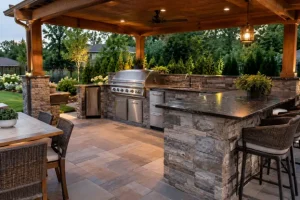
- An outdoor kitchen for entertainment
By combining landscaping and hardscaping, you design not only for aesthetics but for life. These improvements increase both your enjoyment and your property’s value.
Step 9: Pay Attention to Lighting
Outdoor lighting adds both safety and style. It extends your yard’s usability beyond sunset and highlights key features of your landscaping design.
Lighting ideas include:
- Pathway lights lining walkways and driveways
- Uplighting trees and architectural details
- Spotlights for water features or statues
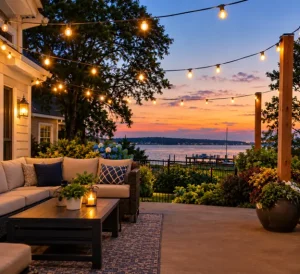
- Soft string lights over patios or pergolas
- Solar-powered lights for energy-efficient charm
Proper lighting adds drama, depth, and texture while allowing you to enjoy your space day or night.
Step 10: Solve Common Lawn and Drainage Issues
An outstanding landscape doesn’t just look good—it functions well, and smart landscaping design plays a key role in preventing long-term issues. Drainage and lawn problems can ruin even the most beautiful design.
Common problems include:
- Puddling in low spots
- Soil erosion near slopes or driveways
- Patchy or thin grass caused by poor aeration
- Water runoff damaging hardscapes construction
Solutions:
- Regrade your property for natural water flow.
- Install French drains or catch basins.
- Aerate and seed lawns to thicken grass growth.
- Redirect downspouts safely away from walkways or patios.
Healthy landscaping and lawn conditions ensure aesthetics last for years while protecting your property’s foundation and structure.
Step 11: Incorporate Water Features for Movement
Water features bring sound, movement, and serenity to any design. From small fountains to large ponds, they make your yard feel more alive.
Options include:
- Wall-mounted fountains for patios
- Small ponds surrounded by lush greenery
- Bubbling rocks or urns
- Waterfalls integrated into retaining walls
Complement water features with hardscaping accents and surrounding plants. The interaction of elements—sound, texture, and reflection—creates harmony and relaxation.
Step 12: Keep Sustainability in Mind
Sustainable landscaping isn’t just a trend—it’s the future. Environmentally conscious design saves money and minimizes upkeep.
Eco-friendly landscaping ideas:
- Choose drought-resistant plants to reduce watering needs.
- Install drip irrigation instead of sprinklers.
- Use permeable paving materials for better drainage.
- Reuse rainwater through collection barrels.
- Plant native species that thrive naturally without chemicals.
Sustainability ensures your yard stays healthy while protecting the local ecosystem.
Step 13: Consider the Seasons
A truly dynamic landscaping design looks good year-round. Plan for changing textures, colors, and shapes throughout the seasons.
Seasonal design tips:
- Spring: Plant bright annuals and flowering shrubs.
- Summer: Maintain lush lawns and shade trees.
- Fall: Add foliage color with red maples or ornamental grasses.
- Winter: Showcase structure with evergreens and stone borders.
Mixing plants with different blooming periods keeps your yard vibrant no matter the time of year.
Step 14: Add Finishing Touches for Character
The smallest details often make the biggest impact. Finishing touches personalize your outdoor space and highlight what makes it unique.
Ideas include:
- Decorative garden art, planters, or sculptures
- Mulch or pebble borders for texture
- Rustic wooden benches
- Ornamental edging around flower beds
- Vertical gardens or trellises
These accents complement your landscaping and hardscaping, tying the whole landscaping design together.
Step 15: Maintain Your Landscape for Long-Term Beauty
Even the best design fades without consistent upkeep. regular care keeps your outdoor space fresh, tidy, and inviting.
Maintenance checklist:
- Mow and edge your lawn weekly during peak growing season.
- Trim hedges and prune trees as needed.
- Pressure wash hardscaped surfaces to prevent stains or moss.
- Refresh mulch once or twice per year.
- Fertilize and aerate for long-term lawn health.
If maintenance feels overwhelming, consider hiring professionals to keep your design looking sharp while you enjoy the results.
Step 16: Work with a Professional Landscaping Designer
While DIY projects can be fun, working with landscaping professionals ensures your landscaping design vision is executed correctly and efficiently. Experts in landscaping and hardscaping design understand soil science, slope, drainage, and material compatibility.
A professional team will:
- Assess your property’s conditions and limitations
- Develop detailed designs and 3D renderings
- Manage installation and heavy work
- Provide warranties and long-term maintenance plans
Collaborating with experts can save time, prevent mistakes, and help your yard reach its full potential.
From Plain to Perfect: The Power of Smart Landscaping Design
Transforming your outdoor space isn’t about spending the most—it’s about designing wisely. The balance between landscaping and lawn care, careful plant selection, and functional hardscaping creates a unified, enjoyable, and lasting result.
The key takeaway? Landscaping design that works focuses on function, flow, and feeling. It connects every piece—plants, lawn, and stone—so your property feels like one harmonious retreat rather than a collection of separate parts.
A thoughtfully designed yard invites you outside more often, supports your lifestyle, and adds significant value to your home. It’s not just a landscape—it’s a living extension of your everyday life.
Looking to transform your everyday yard into a remarkable outdoor retreat?
Now is the perfect time to bring your vision to life.
Hawkins Landscaping Inc. has proudly served Frederick County and surrounding areas for over 50 years, delivering expert landscaping design, lawn enhancements, and custom hardscapes construction. Their professional designers help turn fresh landscaping ideas into reality—seamlessly combining healthy lawns with eye-catching patios, walkways, and other hardscaping features that elevate both beauty and function.
Flexible financing options are available to help make your outdoor upgrade more achievable.
Call (301) 898-3615 or visit hawkinslandscaping.com to schedule your landscape design.
Start planning now and enjoy an outdoor space that looks stunning, works effortlessly, and brings lasting enjoyment all year long—with Hawkins Landscaping Inc., your trusted local landscaping experts.