Poor drainage is one of those sneaky problems that often go unnoticed—until it causes serious and expensive damage. That’s why drainage experts urge homeowners not to ignore early warning signs. You might see puddles after a heavy rain, or smell a musty odor around your yard and not think much of it. But these are warning signs that your property’s drainage system may be reaching its limit.
Water damage doesn’t always show up immediately. Over time, it can weaken your foundation, drown your plants, and create safety hazards across your yard. Knowing when to call in drainage experts can save you money, protect your lawn, and keep your property healthy for years to come.
Let’s go over the biggest warning signs that you need a drainage professional now—and what you can do before it gets worse.

15 Warning Signs Drainage Experts Say You Shouldn’t Ignore
1. Standing Water That Won’t Go Away
If puddles or small pools of water linger long after it rains, that’s one of the most obvious red flags of poor drainage for your yard. Standing water often means your soil and grading aren’t allowing water to flow naturally away from your home.
Why this matters:
- It attracts mosquitoes and pests.
- It suffocates grass roots and plants.
- It causes muddy, uneven surfaces.
- It contributes to soil erosion.
Experienced drainage experts can analyze your property’s slope and identify the root cause. They might recommend drainage solutions such as:
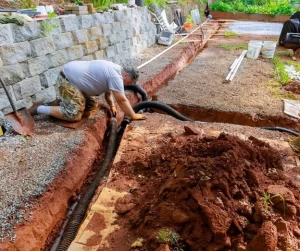
- French drains to redirect water
- Grading adjustments to improve flow
- Catch basins for collecting excess rainwater
- Simple lawn care improvements that enhance soil absorption
Ignoring those puddles now can lead to major waterlogging later.
2. Soggy or Mushy Lawn Underfoot
When your lawn feels spongy or overly moist even on sunny days, something underneath the surface isn’t right. Excess water may be trapped just below your grass layer.
This often happens because of:
- Compacted soil preventing water movement
- Improper lawn care routines like overwatering
- Broken or clogged underground pipes
- Lack of proper water exit points
A drainage specialist can test soil density and slope, find clogged pipes, and install systems like dry wells or trench drains. These drainage solutions ensure your lawn stays healthy, prevents diseases like root rot, and keeps your yard safe to walk on.
3. Water Near Your Home’s Foundation
Water pooling against your house is one of the most serious signs you need a drainage expert immediately. Over time, trapped water can seep into the foundation, causing cracks, mold, and structural damage.
You might notice:
- Wet basement walls or floors
- Cracks in concrete or brick near the base of your home
- Efflorescence (white calcium deposits) on walls
- Musty odors indoors
To prevent expensive foundation repairs, professionals often suggest installing:
- French drains or perimeter drains to move water away
- Gutter extensions that redirect roof runoff
- Sump pumps for basements prone to flooding
- Grading improvements so the ground slopes away from the structure
Foundation drainage is not a DIY job—it requires design expertise to handle pressure, slope, and soil type effectively.
4. Erosion Around Your Yard
Have you noticed patches of soil washing away after heavy rain? Do you see exposed tree roots or bare areas forming near downspouts?
Soil erosion is a silent sign of improper drainage for yard areas. When rainwater concentrates in specific spots instead of dispersing evenly, it strips away topsoil and destabilizes your landscape.
Drainage experts often fix erosion by:
- Installing retaining walls or stone borders
- Adding drainage channels to reroute flow
- Using permeable pavers or gravel for better water absorption
- Strengthening slopes with vegetation to slow runoff
Erosion may seem minor now, but it can lead to sinkholes, collapsed garden beds, and even damage to patios or driveways if left untreated.
5. Wet Basement or Crawl Space
If your basement smells musty or you spot moisture on walls, it might not just be humidity—it could be an exterior drainage issue. When outside grading, gutters, or pipes fail, water finds the path of least resistance, often straight into your basement or crawl space.
Signs to look for:
- Moldy smell or damp feeling on stored items
- Water marks on basement walls
- Cracks that leak during storms
- Warped wood or peeling paint
Drainage experts will assess both inside and outside your home. They’ll check the soil level around the foundation, the gutter systems, and your downspout placement. Installing or upgrading your drainage solutions—like sump pumps, vapor barriers, and waterproof coatings—can make a huge difference.
6. Mold or Mildew Around the Property’s Base
Mold usually means moisture. If you notice green or black blotches appearing near the bottom of exterior walls, that could signal consistent dampness. Water might be seeping upward due to improper drainage for yard spaces or poor ventilation.
Even mild mold growth outside often points to significant hidden moisture inside your walls. Professional drainage contractors use moisture meters to pinpoint water sources and install systems to manage runoff.
Sometimes a small fix—like extending a downspout ten feet away from your house—can prevent mold growth entirely.
7. Cracked Driveway or Patio Surfaces
Uneven, cracked, or crumbling driveways and patios might not just be a matter of age—they can also be a symptom of drainage problems beneath the surface. Water that sits under concrete or pavers wears away the supporting base material, causing sections to shift or sink.
Drainage specialists often repair this by:
- Regrading driveways or walkways
- Adding sub-surface drains
- Installing permeable pavers that allow water to pass through
- Directing runoff toward a suitable drain field
If you notice cracks widening or sinking areas forming, call a professional before a full replacement becomes necessary.
8. Overflowing Gutters and Downspouts
Your gutters play a major role in your property’s drainage system. When they’re clogged, misaligned, or too small for your roof area, water overflows and ends up exactly where it shouldn’t—around your foundation and landscaping.
Drainage experts can inspect your entire stormwater path:
- Clean and realign gutters
- Extend downspouts several feet from your home
- Add drainage pipes underground to carry roof runoff safely away
This combination of drainage solutions and simple maintenance can protect your home’s base and prevent soil washing.
9. Dead or Dying Grass and Plants
If parts of your yard look constantly flooded, yellowed, or patchy, it’s often because of poor drainage rather than a lawn care issue. Constant wetness suffocates plant roots by cutting off oxygen access.
Drainage experts can create targeted water flow systems without destroying your garden design. They might reshape soil contours, install trench drains, or add rain gardens that naturally capture stormwater and filter it through deep-rooted plants.
The result: healthier lawns, better yard drainage, and less need for replanting.
10. Water Stains on Retaining Walls or Fences
Sometimes you might notice water streaks or algae growth along your retaining walls or wooden fences. This means moisture is trapped for long periods, which can lead to rot or structural failure.
Drainage specialists address this by:
- Adding weep holes or drainage pipes behind the wall
- Using gravel backfill for proper runoff
- Installing footing drains to reduce hydrostatic pressure
These adjustments protect not just the wall’s integrity but also the soil it holds in place.
11. Flooding in Low Spots or Garden Beds
Yards naturally have some uneven spots, but if your garden or certain areas frequently flood, you likely have a grading or soil compaction issue. Instead of letting rainwater absorb into the ground or flow outward, it collects in those low points.
Common drainage solutions include:
- Installing a catch basin or dry well
- Regrading the area for natural slope
- Adding subsurface drains to move water underground
- Using materials like sand or organic compost to loosen soil
This improvement not only protects your landscape but also boosts your lawn care results by improving soil health and aeration.
12. Unpleasant Odors After Rain
If you smell a sour or stagnant odor after it rains, that could come from organic matter breaking down in standing water. It’s not only unpleasant—it can attract insects and cause lawn diseases.
Drainage experts can trace where the water collects and recommend targeted fixes like:
- Channel drains to move surface water
- Aeration for compacted soil
- Improved grading near decks or patios
- French drains to direct runoff into a safe collection point
That fresh-rain smell should be pleasant, not nasty—fixing your drainage ensures it stays that way.
13. Visible Algae or Moss on Hard Surfaces
Persistent moisture encourages moss and algae growth, especially on shady driveways, patios, or walkways. While it might look harmless, this slippery buildup creates safety hazards and signals poor drainage nearby.
Professional drainage solutions can help control moisture under and around those surfaces. Drains, dry creek beds, and better surface grading reduce water retention and keep your yard safer and cleaner.
14. Foundation Settlement or Cracks
Long-term drainage problems often manifest as foundation issues. You might spot:
- Doors and windows sticking
- Diagonal cracks on interior walls
- Uneven floors or gaps around trim
These occur because poorly drained water weakens and shifts the soil base your home sits on. Correcting the underlying drainage prevents continuous shifting and saves thousands in potential structural repairs.
Drainage experts can design a permanent fix using systems like perimeter drains, sump pumps, and slope corrections.
15. Increased Pest Activity
Wet, humid spots create the perfect breeding environments for mosquitoes, ants, termites, and other insects. Persistent moisture also attracts rodents looking for drinking water.
By correcting improper drainage for your yard, you eliminate pest nesting areas. Adding French drains, swales, or dry wells lowers surface moisture and protects both your home and garden.
How Drainage Experts Diagnose the Problem
A qualified drainage specialist doesn’t jump straight to solutions—they start with a full site assessment. This typically includes:
- Inspecting grading and slope – Checking how the land directs water after rainfall.
- Soil analysis – Testing permeability and compaction.
- Downspout and gutter inspection – Ensuring runoff is carried far enough away.
- Identifying runoff sources – Finding where excess water enters or stands.
- System mapping – Designing a custom plan that balances both surface and underground drainage.
These inspections are backed by technology such as laser leveling tools, moisture meters, and even cameras for underground pipes.
Preventative Lawn Care Tips for Better Drainage
Even with professional installation, maintaining your yard properly helps support good drainage year-round:
- Aerate your lawn annually to reduce compaction.
- Add organic matter to improve soil structure.
- Clean out gutters at least twice a year.
- Trim trees and roots that might block water flow.
- Plan proper irrigation to avoid overwatering.
- Use native plants adapted to local rainfall levels.
Healthy lawns, strong roots, and breathable soil all work together to support your drainage system.
Benefits of Fixing Drainage Now — Not Later
Addressing drainage issues early protects more than just your landscaping. It secures your entire property value and improves everyday comfort.
Key benefits include:
- Healthier grass, plants, and soil
- Cleaner outdoor surfaces without moss or mildew
- Fewer pests and odors
- Lower risk of foundation damage
- Better use of outdoor areas after rain
- Higher curb appeal and resale value
Most importantly, professional drainage for your yard offers long-term peace of mind that your property can handle heavy rain safely.
When to Call a Drainage Experts
If any of these red flags sound familiar, don’t wait until the next storm hits. Contact a local drainage professional when you notice:
- Multiple areas of standing water
- Moisture in your basement or foundation cracks
- Soggy lawns or dying plants
- Persistent erosion or flooding
- Water stains or musty smells
An early call means easy fixes before more serious property damage occurs.
Your yard should drain efficiently—not trap water.
Protect your home and landscape with professional drainage solutions designed to prevent damage and preserve long-term beauty.
Hawkins Landscaping Inc. has proudly served Frederick County and surrounding areas for over 50 years, providing expert drainage solutions integrated with smart landscaping design. From correcting poor grading and installing French drains to resolving standing water, erosion, and foundation concerns, their experienced team creates customized plans tailored to your soil, slope, yard layout, and budget. Every solution is built for durability, effectiveness, and seamless integration with your existing landscape.
Flexible financing options are available to make essential drainage improvements more accessible.
Call (301) 898-3615 or visit hawkinslandscaping.com to schedule your drainage inspection and custom solution today.
Safeguard your lawn, protect your foundation, and enjoy a healthier, drier outdoor space year-round—with Hawkins Landscaping Inc., your trusted local landscaping and drainage experts.