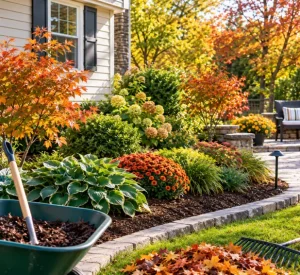
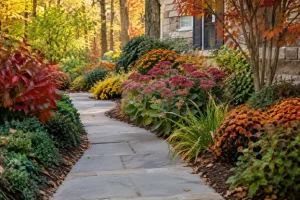
When planning your outdoor grilling space, selecting the right plants is essential not only for the aesthetics of your kitchen garden but also for successful outdoor landscaping that preserves plant health despite the intense heat, smoke, and fluctuating environmental conditions.
In this article, you will discover how various environmental factors and specific plant choices interact with grilling areas, ensuring a vibrant and resilient landscape for your home. We detail expert practices for plant care, tailored to overcome the challenges posed by proximity to grills while offering both beauty and culinary advantages.

Key Environmental Factors for Outdoor Landscaping Near the Grill
In grilling areas, several environmental factors directly affect plant performance, including heat, smoke, sunlight exposure, and soil conditions. These issues can impact outdoor landscaping success, especially when plants are placed close to cooking zones. It’s important to factor in these conditions when planning your outdoor landscaping layout.
How Does Heat Impact Plant Growth and Survival Near Grills?
Excess grill heat can stress plants due to increased temperatures, leading to cell dehydration and impaired growth. Plants may exhibit wilt, leaf scorch, or slowed metabolism when temperatures exceed their tolerance. Research indicates that even a 5°–10° increase in ambient temperature can reduce overall plant growth by about 15%. To combat heat stress, choose plants with proven heat resistance and optimize placement to provide some natural shading.
What Effects Does Grill Smoke Have on Nearby Plants?
Grill smoke deposits particulate matter and volatile compounds on foliage, potentially clogging stomata and interfering with photosynthesis. Combined with chemical residues from fuel combustion, smoke exposure may cause leaf chlorosis and reduce nutrient uptake. Regular cleaning of foliage and selecting smoke-tolerant species can help mitigate these impacts.
How Do Sunlight and Soil Conditions Influence Plant Success Near Grills?
Sunlight is a double-edged sword near grills: while many plants thrive in full sun, excessive intense light without proper moisture or protection can worsen heat stress. Soil pH, drainage, and organic content further affect plant resilience. For stronger outdoor landscaping results, incorporate organic matter and use mulch to maintain moisture and buffer roots from heat.
What Are the Best Watering Practices for Plants Near Grilling Areas?
Due to increased evaporation and stress from heat and smoke, plants near grills require a tailored watering schedule. Drip irrigation systems and deep, infrequent watering encourage robust root growth while avoiding waterlogging. It is essential to monitor soil moisture closely and adjust watering frequency during heat waves to achieve balance.
Which Herbs Grow Best for Outdoor Landscaping Near the Grill?
Herbs grown near grilling areas offer culinary convenience, but their adaptability to harsh conditions makes them a key part of smart outdoor landscaping.
Why Is Rosemary Ideal for Grilling Areas?
Rosemary thrives in high-temperature environments and occasional smoke exposure thanks to its thick, evergreen foliage and deep root system. Its aromatic oils withstand high heat and impart a desirable flavor to grilled foods. Additionally, rosemary’s drought resistance and adaptability to poor soils make it a robust choice for outdoor landscaping around outdoor kitchens.
How Do Thyme and Oregano Thrive Near Heat and Smoke?
Thyme and oregano require little water and are adapted to Mediterranean climates, making them naturally tolerant of heat and dry conditions. Their small, tough leaves resist scorching and smoke damage. Their aromatic compounds can even be enhanced by the slight warmth near a grill, and their ease of care makes them excellent for low-maintenance outdoor landscaping in cooking spaces.
What Are the Benefits of Basil and Other Culinary Herbs Near Grills?
Basil, along with herbs like sage and marjoram, can flourish near grills if given partial shade and adequate moisture. Basil’s tender leaves need protection from extreme heat, but they perform well with a balance of sun and water. Integrating these herbs into your outdoor landscaping plan not only enhances garden aesthetics but also provides fresh ingredients for grilling.
What Heat-Resistant Flowers Are Best for Outdoor Landscaping Near the Grill?
Heat-resistant flowers add color and charm to your grilling space while withstanding its challenging microclimate.
How Does Lavender Perform in Hot, Smoky Grilling Environments?
Lavender is celebrated for its drought tolerance and ability to handle high temperatures and moderate smoke. Its dense, silver-green foliage and fragrant blooms remain resilient under harsh conditions and may even intensify in scent when exposed to warm air. Lavender’s adaptability makes it perfect for enhancing the ambiance of any outdoor landscaping plan.
Why Are Coneflowers and Sedum Recommended for Grilling Spaces?
Coneflowers (Echinacea spp.) and sedum are favored for their hardy, low-maintenance nature. Coneflowers attract beneficial pollinators and tolerate heat with minimal watering, while sedum’s succulent leaves make it exceptionally drought-resistant in poor soils. Together, they add long-lasting color and texture to any landscape design.
What Other Low-Maintenance Flowers Thrive Near Grills?
Other excellent options include marigolds and portulaca. Marigolds produce bright blooms and can even help suppress pests organically, while portulaca (moss rose) offers vibrant colors under extreme heat and poor soil conditions. These flowers add lasting beauty with minimal effort—an ideal match for outdoor landscaping designs near high-use grilling spots.
Which Plants Should You Avoid in Outdoor Landscaping Near the Grill?
Not all plants are suited for the microclimate near a grill, especially those sensitive to heat and smoke.
What Plants Are Sensitive to Heat and Smoke Damage?
Plants with delicate foliage, including ferns, impatiens, and some tropical varieties, often suffer from heat scorch and smoke residue. Their thin leaves are prone to dehydration and may not recover when exposed to high heat or dryness. Such species, especially those requiring cool, humid conditions, are generally unfavorable in a grilling environment.
How Can Pest-Prone Plants Affect Your Grilling Area?
Incorporating pest-prone plants in your outdoor landscaping near the grill—such as begonias or water-heavy ornamentals—can attract insects and fungal problems. The combination of high heat and organic buildup from smoke can create ideal conditions for pests and fungal growth, potentially affecting the health of neighboring plants or even the area’s structural setup.
How Can You Design and Landscape Your Grilling Area With Plants?
Effective outdoor landscaping and thoughtful design help maximize plant health and create an inviting outdoor space despite grilling challenges.
What Are Effective Plant Placement Strategies for Heat and Smoke Protection?
Strategically position heat-sensitive plants further away from the grill or behind taller, hardier species that can serve as windbreaks or shade providers. Using pergolas, trellises, or shade sails to create microclimates helps protect delicate plants. Grouping species with similar water and soil needs can also streamline maintenance and improve overall care.
How Does Hardscaping Complement Plant Selection Near Grills?
Integrating hardscaping elements like stone patios, retaining walls, and decorative gravel assists in moderating temperature extremes. These features not only elevate the outdoor kitchen’s aesthetics but also help manage water drainage and stabilize the microclimate around the plants by reflecting light and diffusing heat.
What Are Popular Grilling Area Landscaping Ideas That Include Plants?
Popular ideas include creating themed herb gardens adjacent to the grill for convenient culinary access, using fire-resistant succulent arrangements, and employing vertical gardening solutions in smaller spaces. Additionally, a mixed border of heat-tolerant perennials, ornamental grasses, and hardy flowering shrubs offers diverse textures and colors while ensuring all plants can thrive despite grill-related challenges.
What Are the Best Care and Maintenance Practices for Plants Near Grills?
Proper care and maintenance are key to extending the longevity and vibrancy of plants grown near grilling areas, especially when integrated into functional outdoor landscaping designs.
How Should You Water and Fertilize Plants in Grilling Areas?
Watering near a grill requires a method that compensates for rapid evaporation. Deep, infrequent watering is preferable over frequent shallow sprays, as it promotes strong root development. Incorporating organic compost and balanced fertilizers improves soil structure and provides sustained nutrient release. Using a hygrometer to monitor soil moisture helps in adjusting watering schedules appropriately.
How Can You Protect Plants From Grill Heat and Smoke Over Time?
Long-term protection of plants involves several proactive measures. Installing temporary shade structures during periods of intense grilling and regularly cleaning plant foliage to remove smoke residues are effective steps. Applying an anti-transpirant spray during extreme heat can reduce water loss, while mulches like straw or wood chips around plant bases help conserve soil moisture and moderate temperature fluctuations.
Comparison of Plant Types for Grilling Areas
Before we finish, here is a summary table comparing various plant types based on key attributes, advantages, and precautions—helping you make smart choices for heat-friendly outdoor landscaping near grilling zones:
Plant Type | Key Attribute | Advantage | Precaution |
Rosemary | Heat/Tolerance | Drought-resistant; aromatic | Ensure moderate watering |
Thyme & Oregano | Adaptability | Thrive in full sun; culinary use | May require occasional trim |
Lavender | Drought Resistance | Fragrant; attracts pollinators | Sensitive to overwatering |
Coneflowers & Sedum | Hardy Perennials | Low maintenance; vibrant blooms | Best with well-drained soil |
Tomatoes & Peppers | Fruit Production | Beneficial warmth increases yield | Provide protective barriers |
Marigolds & Portulaca | Vibrant Annuals | Resistant to pests; bright colors | Can be damaged by extreme heat |
Ferns & Impatiens | Sensitive Foliage | Lush appearance | Avoid planting near intense heat |
This table provides a quick reference to help you select the best options for your grilling areas, ensuring each choice is backed by clear benefits and necessary precautions.
Conclusion: Outdoor Landscaping Around Grilling Areas
In summary, designing a grilling area that harmoniously coexists with healthy plant life requires careful consideration of factors such as heat, smoke, sunlight, and soil conditions. By choosing appropriate heat-resistant herbs, flowers, and versatile vegetables, you can create a resilient landscape that enhances both your outdoor space and your culinary experiences.
Emphasizing regular care practices—such as deep watering, proper fertilization, and effective pest management—will help your garden thrive despite the challenges posed by the grill. With thoughtful planning and strategic plant placement, your grilling area can become a vibrant, sustainable oasis beautifully complementing your outdoor lifestyle and culinary adventures.
Enhance Your Outdoor Space with Hawkins Landscaping Inc.!
If you’re ready to take your backyard to the next level, trust the experts at Hawkins Landscaping Inc. to bring your outdoor landscaping vision to life. From custom patio designs and outdoor kitchens to lush gardens and resilient greenery, Hawkins delivers beautiful, functional landscapes tailored to your lifestyle.
Ask about their flexible financing options—designed to fit your budget without compromising on quality!
Proudly serving Frederick County and surrounding areas with decades of trusted landscaping expertise.
Visit: www.hawkinslandscaping.com
Call: (301) 898-3615 for a free consultation and to get started today!
Create the outdoor space you’ve always dreamed of—with Hawkins Landscaping Inc., it’s within reach.