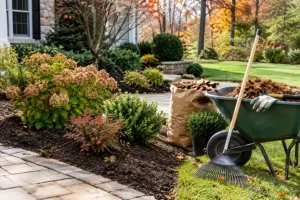
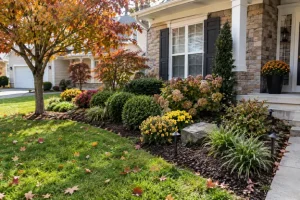
Landscaping brings life to your outdoor space, but even the most beautiful plants eventually lose their charm. Over time, shrubs get woody, perennials fade, and garden beds stop thriving. Knowing when to replace old landscaping plants is key to maintaining an attractive, healthy yard that reflects your style and care.
In this guide, we’ll help you identify signs of aging plants, understand why replacements matter, and explore fresh landscaping ideas for your front yard to keep your property looking amazing year-round.
Why Landscaping Plants Replacement Matters
Your plants are the foundation of your landscaping design. While a garden may look perfect when newly planted, nature constantly changes. As years pass, soil quality, root space, and weather patterns affect how landscaping plants grow and perform. Replacing plants at the right time helps you:
- Maintain curb appeal.
- Improve plant health and soil quality.
- Prevent diseases from spreading.
- Create space for new landscaping ideas and color combinations.
- Keep your yard aligned with your lifestyle and property needs.
Think of plant replacement as outdoor remodeling. Just like updating furniture or paint indoors, refreshing your garden keeps your home feeling alive and well-cared-for.
Signs It’s Time to Replace Old Landscaping Plants
Not sure whether your aging plants need a trim, a transplant, or total replacement? Here are the main warning signs:
1. Declining Growth
If plants stop producing new leaves, blooms, or branches, something’s wrong. This can happen when roots are overcrowded, nutrients are depleted, or the plant’s natural lifespan has ended.
2. Visible Dead or Woody Stems
Many shrubs, such as boxwoods and azaleas, become woody at the base after years of pruning. Once that woody growth takes over, even vigorous trimming won’t restore fullness.
3. Frequent Pest or Disease Problems
Repeated infestations of aphids, fungus, or molds suggest your plant is weak. Constant treatment isn’t always the solution—sometimes replacement is the only way to break the cycle.
4. Outgrowing Their Space
Overly large shrubs can crowd walkways and block sunlight. If pruning no longer balances the shape, it might be time to replace those plants with smaller, low-maintenance varieties.
5. Poor Appearance Despite Care
When your plant still looks tired even with fertilizing, watering, and trimming, the roots or soil may be exhausted. Refreshing the area with new soil and replacements gives your yard a new start.
6. Damage from Storms, Winter, or Drought
Plants that never fully recover from harsh weather likely won’t bounce back. Replacing them with hardier species suited to your local climate prevents ongoing frustration.
7. Your Style Has Changed
Maybe your garden looked perfect ten years ago—but trends and preferences evolve. Replacing older plants gives you a chance to redesign your landscape and incorporate new colors, shapes, or landscaping edging styles.
How Long Do Common Landscaping Plants Last?
Different plants have distinct lifespans. Understanding the average lifespan of your shrubs, flowers, and trees helps you plan when replacements may be due.
Plant Type | Average Lifespan | Replacement Tips |
Annual flowers (petunias, marigolds) | 1 year | Replace every growing season. |
Perennials (daylilies, hostas) | 3–15 years | Divide or replace once growth slows. |
Small shrubs (spirea, boxwood) | 7–20 years | Replace when they turn woody or sparse. |
Large shrubs (hydrangea, holly) | 10–30 years | Watch for declining blooms and overgrowth. |
Ornamental grasses | 5–10 years | Replace when the center dies out. |
Shade trees | 20–60+ years | Replacement needed only for disease or damage. |
Landscaping isn’t meant to stay static for decades. Refreshing sections every few years keeps your yard lively and modern.
Refresh vs. Replace: Knowing the Difference
Not every plant needs full replacement. Sometimes a refresh is all that’s needed. Here’s how to decide:
- Refresh when trimming, fertilizing, or soil improvement revives the plant.
- Replace when you’ve tried all the above and it still looks unhealthy or unbalanced.
For example, if a hedge has open gaps or uneven color even after pruning and feeding, replacing a few of the worst plants may restore overall symmetry.
Using landscaping edging during refresh projects creates clean separation between plant beds, lawns, and walkways—instantly improving appearance without major replacements.
Best Time of Year to Replace Landscaping Plants
Timing makes a big difference in how new plants establish roots.
- Spring: Ideal for most replacements. Cool soil and mild temperatures help roots settle before summer heat.
- Fall: Great for trees and perennials. Cooler weather encourages root growth without stressing the plant.
- Summer: Replace only if necessary—limit new planting to drought-tolerant species.
- Winter: In mild climates, winter can work for hardy shrubs, but frozen soil delays root growth.
When replacing plants, aim for consistent climate conditions and avoid extreme heat or frost.
Step-by-Step Guide to Replacing Old Landscaping Plants
Refreshing your landscape may sound intimidating, but it’s manageable with a clear plan. Follow these steps for success.
Step 1: Assess the Entire Yard
Walk through your property and identify which plants are thriving, which need help, and which should go. Take notes or photos to keep track.
Step 2: Remove Old or Dying Plants
Pull out aging plants carefully, making sure to remove major root systems and diseased soil. If you had pest problems, avoid replanting the same species immediately.
Step 3: Improve the Soil
Before adding new plants, enrich the soil with compost or organic matter. This improves drainage and nutrient content, setting the foundation for new growth.
Step 4: Plan Your New Landscaping Design
Now’s the fun part—choosing new plants! Incorporate landscaping ideas for your front yard or backyard that match your home’s architecture and color scheme. Think about:
- Seasonal variety so something always blooms.
- Drought-tolerant or native plants for easier maintenance.
- Different heights and textures for depth and contrast.
- Defined landscaping edging to keep mulch and grass neatly separated.
Step 5: Plant with Care
Place plants at the right depth, water thoroughly, and add mulch to retain moisture. Avoid crowding—even small plants need room to grow.
Step 6: Maintain Regularly
New plantings take time to establish. Keep them watered, weeded, and fed, especially during the first growing season.
Choosing New Landscaping Plants for Replacement
When selecting replacements, consider these key factors:
1. Climate Adaptability
Choose plants suitable for your region. For example, drought-tolerant species thrive in dry areas like Nevada, while moisture-loving plants do better in the Mid-Atlantic.
2. Sun and Shade Balance
Match sunlight conditions with plant needs. Don’t place shade-loving hostas in full sun or sun-loving roses under a tree canopy.
3. Maintenance Level
Some plants need regular pruning; others stay tidy with little effort. For a low-maintenance design, opt for ornamental grasses, hollies, or evergreens.
4. Year-Round Appeal
Mix evergreens with perennials and seasonal flowers so your yard looks good in every season.
5. Landscape Purpose
Are you replacing for curb appeal, shade, privacy, or texture? Choose accordingly.
Fresh Landscaping Ideas for Your Front Yard
Replacing old plants is the perfect time to rethink your yard’s design. Here are some easy, modern landscaping ideas for the front yard that homeowners love when updating landscaping plants:
- Symmetrical Garden Beds: Frame entryways with matching shrubs or flower pairings for a balanced look.
- Curved Walkway Borders: Use gentle curves instead of straight lines to create natural flow.
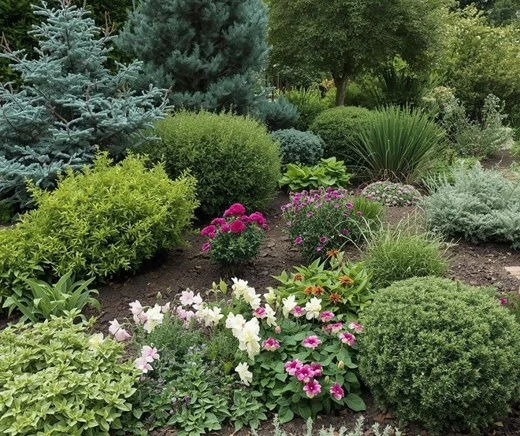
- Layered Planting: Combine tall shrubs in back, medium perennials in the middle, and groundcovers near edges.
- Defined Edging: Install stone, brick, or metal landscaping edging to outline flower beds and paths.
- Lighting Accents: Add low-voltage lights along edges to highlight textures and improve safety.
- Seasonal Color Pops: Rotate bright bedding plants each season to keep the landscape lively.
- Evergreen Foundation Planting: Use evergreens near the house for year-round structure and contrast.
These ideas can breathe new life into your property while keeping your landscaping plants easy to maintain.
Mistakes to Avoid When Replacing Old Plants
Replacing plants isn’t always as simple as pulling and replanting. Here are common mistakes to watch out for:
- Planting Too Deep: This restricts root oxygen and slows growth. The top of the root ball should align with soil level.
- Ignoring Soil Conditions: Poor soil equals poor results. Test and amend as needed before replanting.
- Skipping Edging or Borders: Without landscaping edging, new beds can lose shape and spill over into the lawn.
- Reusing Diseased Soil: Replacing plants in infected soil risks spreading old diseases.
- Overcrowding: New plants need space—follow spacing guidelines to prevent future problems.
- Forgetting Irrigation Adjustments: Update sprinkler or drip lines to match new plant placement.
How to Make Replacements Last Longer
You’ve invested time and money into your new plants; now help them thrive long-term.
- Water deeply but not too often to encourage strong roots.
- Mulch regularly to control weeds and protect soil moisture.
- Prune lightly every season to maintain natural shape.
- Fertilize moderately—too much fertilizer can weaken plants.
- Watch for early signs of stress so you can act quickly.
Adding professional landscaping edging also helps preserve soil, prevents erosion, and keeps the design neat for years.
When to Call a Professional Landscaper
Sometimes, replacing plants is part of a bigger problem—such as drainage issues, soil compaction, or overcrowded tree roots. Professional landscapers can:
- Diagnose underlying causes of poor plant performance.
- Design replacement layouts that improve both beauty and function.
- Suggest low-maintenance varieties of landscaping plants that fit your environment.
- Install proper irrigation and landscaping edging for long-term success.
Even if you’re a capable DIYer, a consultation can ensure your investment pays off.
Sustainable Landscaping Replacement Ideas
Modern landscaping emphasizes sustainability and low environmental impact. When replanting, consider eco-friendly approaches like:
- Native Plants: Thrive naturally without extra fertilizer or water.
- Rain Gardens: Capture runoff to water plants naturally.
- Mulch from Organic Waste: Use shredded leaves or bark from your yard.
- Permeable Pavers: Allow rainwater to soak in instead of running off.
- Composting Old Plants: Turn what you remove into soil-improving compost.
These steps make your yard eco-conscious without sacrificing beauty.
Maintaining Your New Landscape
Once replacements are in, ongoing care is simpler than you think. Keep a monthly routine:
- Spring: Fertilize lightly and remove debris.
- Summer: Monitor moisture and weed weekly.
- Fall: Mulch and prune dead foliage.
- Winter: Protect vulnerable plants from frost and clear leaves.
Adding seasonal accents keeps your yard fresh—think pansies in spring, begonias in summer, mums in fall, and evergreens in winter.
When to Replace Landscaping Plants and Refresh Your Yard
Replacing old landscaping plants isn’t just maintenance—it’s transformation. With careful timing, smart plant choices, and clean landscaping edging, you can create a space that feels brand new, year after year. Whether you’re refreshing a tired corner or redesigning your entire front yard, these ideas make it easy to keep your home’s exterior as vibrant as the day it was planted.
Ready to breathe new life into your outdoor space? Now is the perfect time to refresh your landscape and restore vibrant curb appeal.
Hawkins Landscaping Inc., proudly serving Frederick County and surrounding areas for over 50 years, provides expert plant replacement, professional landscaping design, and creative front yard landscaping ideas tailored to your property. Their experienced team evaluates your soil, sunlight, and layout to recommend durable plant selections and install crisp landscaping edging for a clean, polished, and long-lasting finish. Flexible financing options are available to help make your landscape refresh simple and stress-free.
Call (301) 898-3615 or visit hawkinslandscaping.com to schedule your landscaping consultation today.
Don’t wait until tired plants fade away—revitalize your yard and fall in love with your landscape again with Hawkins Landscaping Inc., your trusted local landscaping experts.