Before spring fully bursts into life, it quietly knocks on your door — melting snow, longer days, and a few early buds hint that warmer weather is coming. But for your landscaping yard and gardens, this “in-between” season is more than just a waiting period.
Spring is the time to prepare. The work you do now will decide how bright, healthy, and manageable your landscaping looks in the months ahead.
If you want your landscaping yard to shine, now’s the time to check soil health, inspect garden structures, and update your landscaping design plan. This full guide walks you through each step — so you can wake your yard gently, protect it from problems, and set the stage for a thriving spring.

Why a Spring Check Matters for Your Landscaping Yard
Winter takes a quiet but tough toll on your outdoor space. Soil compresses under snow, roots suffocate, mulch erodes, and your lawn care routine pauses for months. Without an early inspection, small issues can quickly turn into big maintenance headaches later.
A detailed spring check helps you:
- Spot damage before it spreads.
- Give plants a head start before growth begins.
- Prevent water drainage issues from melting snow.
- Prepare the soil and turf for early fertilization.
- Refresh landscaping edging and hardscape areas.
Think of it as a health checkup for your landscaping yard before the busy growing season begins.
Step 1: Start with a Yard Clean-Up
Before any project, you need a clean surface to work with. Early cleanup clears space, improves airflow, and helps you see what needs attention.
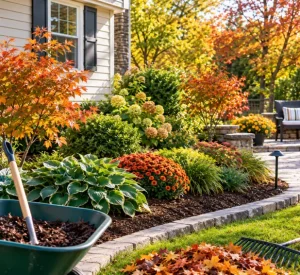
- Collect debris: Rake up fallen leaves, broken branches, and leftover mulch.
- Clear flower beds: Remove dead stems from annuals and trim back perennials.
- Clean pathways and patios: Sweep away sand or de-icing residue to protect stone or pavers.
- Bag or compost waste: Keep it eco-friendly by turning yard waste into compost for later use.
A clean landscaping yard reveals the bare “canvas” of your landscaping and lets you plan your next steps clearly.
Step 2: Assess the Condition of the Lawn
Your lawn might still look sleepy, but now is the best time to prepare it for spring growth. Healthy grass begins with early lawn care.
- Check for snow mold and bare spots: Look for gray patches or sparse areas that need reseeding.
- Aerate compacted soil: Winter foot traffic often compresses soil, preventing oxygen and nutrients from reaching roots. Aeration helps revive it.
- Dethatch lightly: Remove excess thatch, a spongy layer of dead grass, using a rake or dethatching tool.
- Plan your feeding schedule: Mark the first fertilizer date around early to mid-spring, once temperatures stay above 50°F.
When you prep your lawn early, you strengthen your landscaping yard and encourage strong root development — the secret to resilient turf all year long.
Step 3: Check Soil Health and Moisture Levels
Healthy soil means healthy plants. Late winter’s freeze-thaw cycles can deplete nutrients and shift soil structure.
- Test pH levels: Use a home soil test or local nursery service to learn if your soil is too acidic or alkaline.
- Add organic matter: Compost, peat, or leaf mulch restore structure and encourage drainage.
- Watch for compacted zones: Areas where puddles form or grass looks thin often need extra aeration.
- Monitor moisture: Check soil with your finger — if it’s soggy, delay any heavy work until it dries slightly to avoid root damage.
By testing and amending early, you prepare the ground for both your landscaping design refresh and strong spring growth.
Step 4: Examine Trees and Shrubs
Trees and shrubs form the backbone of any landscaping yard, but winter storms can leave hidden wounds.
- Inspect branches: Look for cracks or hanging limbs caused by ice or wind.
- Prune safely: Cut dead or rubbing branches before buds form to encourage new growth.
- Check trunks for damage: Signs of peeling bark, holes, or dark spots could mean pest activity.
- Mulch around bases: A thin, fresh layer protects roots from late frosts and helps retain moisture.
If you notice significant structural damage, call a professional arborist — early intervention can save a tree before problems spread.
Step 5: Refresh and Redefine Your Landscaping Edging
Edging is one of the quickest ways to make a yard look neat and intentional. Over the winter, edges can shift or blur due to frost heave, mulch spreading, or soil movement.
To restore crisp lines:
- Re-cut natural edges: Use an edging tool or spade to reshape curves along flower beds.
- Check stone or metal edging: Reset any that have lifted or tilted.
- Replace faded materials: New pavers, bricks, or plastic edging instantly modernize your landscaping design.
- Add mulch evenly: Keep mulch about two inches thick to block weeds and hold moisture.
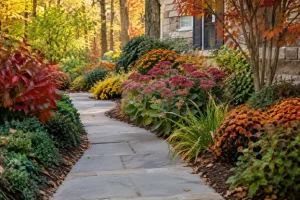
A well-defined edge gives every garden bed in your landscaping yard a professional touch — no matter the size of your outdoor space.
Step 6: Evaluate Drainage and Irrigation Systems
When snow melts, drainage problems often surface in your landscaping yard. Before new planting starts, make sure your system handles water effectively.
- Watch for pooling: After rain or thaw, walk your yard and note areas where water collects.
- Inspect downspouts and drains: Ensure they direct water away from your foundation and garden beds.
- Check sprinklers and irrigation: Replace broken heads and adjust spray direction to prevent overwatering.
- Consider upgrades: Drip irrigation saves water and targets roots directly — an efficient option for modern landscaping design.
Proper drainage protects both your plants and hardscaping from erosion or root rot later in the season.
Step 7: Refresh Your Hardscape Features
Walkways, patios, and retaining walls might look fine at first, but winter shifting can loosen joints or create uneven areas. Now’s the time for maintenance.
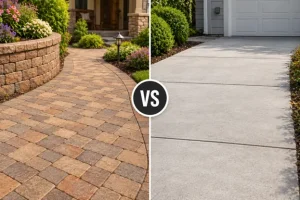
- Sweep and wash surfaces: Remove salt, dirt, or grime buildup.
- Check for cracks: Fill or repair small gaps to prevent further damage.
- Re-sand pavers: Add polymeric sand between stones to stabilize them.
- Clean and seal surfaces: This prevents discoloration and extends the life of your landscaping design elements.
Your hardscape frames the natural beauty of your plants — keeping it clean and safe ensures everything works together beautifully.
Step 8: Plan Your Planting Zones
Don’t rush planting yet; instead, plan it strategically. A strong plan saves time, water, and stress later.
- Review plant health: Check perennials for early buds, trim spent growth, and remove any that didn’t survive winter.
- Design for balance: Mix evergreen and flowering plants for color that lasts through seasons.
- Group by sunlight and moisture needs: Plants thrive when living near companions with similar requirements.
- Sketch your ideas: Even a simple drawing helps visualize your landscaping design updates.
By early March, soil temperatures begin warming — perfect timing to start implementing your plan.
Step 9: Inspect Garden Tools and Equipment
Your plants aren’t the only things that need a spring tune-up.
- Clean tools: Remove rust and sap; sharp blades make pruning safer.
- Check mowers and trimmers: Replace spark plugs or sharpen blades to prepare for your first lawn care session.
- Restock supplies: Fertilizer, mulch, and edging materials often sell out quickly once spring hits.
- Organize storage: A clean shed or garage helps you find everything easily during busy planting weekends.
Good tools make caring for your landscaping yard quicker, cleaner, and more enjoyable — a simple step that many homeowners overlook.
Step 10: Tackle Early Weed Prevention
Prevention beats reaction every time when it comes to weeds. Acting now stops weeds before they sprout.
- Apply pre-emergent herbicide: This creates a shield against new weed seedlings.
- Install landscape fabric: Under gravel or mulch, it reduces maintenance for months.
- Top off mulch depth: About 2–3 inches helps block sunlight from reaching weed seeds.
- Check edges: Strong landscaping edging keeps grass from creeping into garden beds.
By handling weeds early, you free yourself from backbreaking pulling during peak season.
Step 11: Watch for Early Pest Activity
Warming temperatures mean insects wake up too. Catching them early keeps your yard balanced.
- Inspect leaf buds: Tiny chew marks or sticky residue suggest aphids or scale insects.
- Clean out debris piles: They often hide eggs and larvae.
- Encourage natural predators: Ladybugs and lacewings control many pests naturally.
- Avoid harsh sprays: Eco-friendly treatments keep your landscaping yard healthy and pollinator-friendly.
A proactive approach ensures your plants start spring strong, pest-free, and thriving.
Step 12: Refresh Mulch and Ground Cover
Mulch gives every yard a finished look — but it also protects the soil beneath.
- Fluff existing mulch: Use a rake to loosen compacted mulch and let air flow through.
- Add fresh material: Replace faded layers with new bark or wood chips for lasting color.
- Keep mulch off stems: Leave a small gap around plant bases to prevent mold.
- Mix textures: Combine pine needles or gravel for contrast and moisture balance.
Fresh mulch instantly revives a dull yard while setting off your landscaping edging and planting beds beautifully.
Step 13: Reevaluate Your Landscaping Design
Spring is also the ideal time to rethink your overall yard layout. Maybe your garden feels cluttered, or certain areas stay soggy or shaded. A few design tweaks now can dramatically improve your outdoor living experience.
Consider:
- Simplifying overcrowded beds: Fewer, healthier plants often look better than dense clusters.
- Adding outdoor zones: Create sitting areas or play sections without overwhelming the space.
- Mixing softscape and hardscape: Balance greenery with stone, wood, or gravel features.
- Using consistent landscaping edging to tie areas together.
When your landscaping design flows smoothly, maintaining your landscaping yard becomes easier — and curb appeal soars.
Step 14: Tune Your Lighting and Décor
Once daylight lasts longer, outdoor lighting brings your design to life in the evenings.
- Clean light fixtures: Dust and cobwebs block brightness.
- Replace bulbs: Switch to energy-efficient LEDs or solar lights.
- Highlight features: Use spotlights to showcase specimen trees, pathways, or fountains.
- Incorporate mood lighting: String lights or lanterns make patios cozy for early spring nights.
Lighting helps you enjoy your yard longer while increasing safety and property value.
Step 15: Schedule Professional Maintenance or Design Help
Even if you love DIY yard work, some projects benefit from professional expertise. Hiring a landscaper before spring rush hits saves time and effort.
Professional services can assist with:
- Lawn aeration, reseeding, and fertilizer plans.
- Landscaping edging installation for sharp, lasting borders.
- Seasonal pruning for trees, hedges, and shrubs.
- Designing new garden layouts or water features.
A skilled landscaping design team can tailor solutions to your property’s size, slope, and style — turning your yard into a cohesive, thriving landscape ready for spring.
Step 16: Set Up a Seasonal Maintenance Calendar
Consistent maintenance keeps your yard looking its best year-round. Once your spring inspection is complete:
- Mark important tasks: Aeration, fertilizing, pruning, edging, and seasonal planting.
- Group similar chores: Do weeding and mulching together to save time.
- Monitor patterns: Keep notes about which areas dry out faster or gather debris.
- Adjust seasonally: Update the list as your plants mature or your yard changes.
Treat this plan like a living document — customized maintenance makes your landscaping yard stronger every season.
Simple Eco-Friendly Habits to Start Now
If you want a stunning yard that’s also sustainable, these easy swaps make a big difference:
- Choose native plants that thrive naturally in your area.
- Start composting leftover yard waste.
- Water early or late to prevent evaporation.
- Reuse stones or bricks for new landscaping edging instead of buying more.
- Avoid harmful chemicals to protect soil and pollinators.
Small choices add up — your landscaping yard can look great while supporting a healthier local environment.
Common Mistakes to Avoid This Spring
Even seasoned homeowners can fall into these early-season traps:
- Working too early: Wet soil compacts easily — wait until it’s firm but workable.
- Over-fertilizing: Too much nitrogen can burn grass and weaken roots.
- Ignoring edging: Without clear borders, mulch spreads and lawns lose shape.
- Skipping tool maintenance: Dull blades make uneven cuts and damage plants.
- Planting before the last frost: Always check your region’s frost dates.
Patience pays off — waiting for the right conditions ensures everything you do lasts longer.
Make Your Yard Spring-Ready Today
Your spring yard check is the key to an easier, more rewarding season of growth. When you clean, test, edge, feed, and plan, you build the foundation for a yard that thrives beautifully — with less stress and more joy.
Don’t wait for the first warm weekend — start preparing your landscaping yard now so you’re ready to enjoy every moment outdoors when spring begins in full.
Ready to Upgrade Your Landscaping Yard and Design?
If you’re ready to refresh your outdoor space or need expert support with lawn care and landscaping edging, now is the perfect time to take action.
Hawkins Landscaping Inc., proudly serving Frederick County and surrounding areas for over 50 years, offers professional spring yard inspections and personalized landscaping design consultations. From soil health and lawn care to precise edging and curb-appeal enhancements, their experienced team helps homeowners bring out the very best in their properties.
Flexible financing options are available to help make your landscaping goals more achievable.
Call (301) 898-3615 or visit hawkinslandscaping.com to schedule your spring yard inspection or custom landscape design today.
Let this be the year your landscaping yard truly stands out—with Hawkins Landscaping Inc., your trusted local landscaping experts.
Originally published February 27, 2026. Last updated .