Drainage‑friendly walkways for backyard give you safe, beautiful paths that don’t turn into muddy, flooded messes every time it rains. They also protect your yard, foundation, and planting beds while adding curb appeal and value to your home.
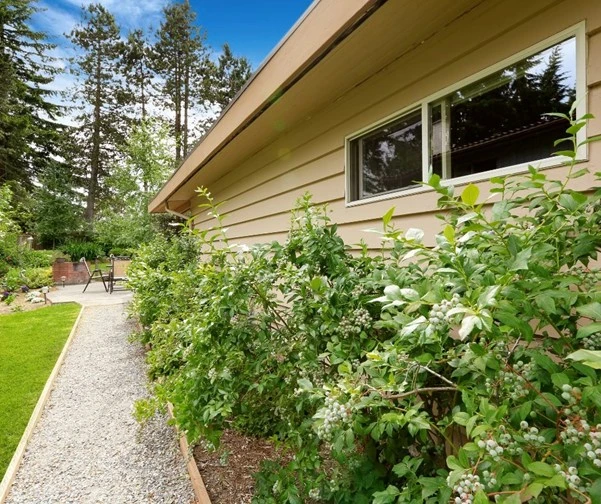
Why Drainage Matters for Walkways for Backyard
Water that sits on a path can cause slippery spots, puddles, and even ice in winter, which can be dangerous for anyone using the walkway. Over time, poor drainage can wash away soil, shift stones, and damage nearby plants, patios, and house foundations.
Good drainage-friendly walkways for backyard let water soak into the ground instead of running off and eroding your yard. This makes your hardscapes and landscapes work together, so your outdoor space looks good and stays strong for years.
Key Principles Of Drainage‑Friendly Walkways
A drainage‑friendly path is not just about the surface material. It also depends on how you shape the ground and what goes underneath. When planning paving walkways, keep these simple rules in mind.
- Slight slope: Walkways should have a gentle slope so water runs off and does not pool on top.
- Permeable layers: Use materials that let water pass through, like gravel bases and porous pavers.
- Proper base depth: Most paths need a compacted base of 4–6 inches of gravel for stability and drainage.
- Safe edges: Edging helps keep gravel or mulch in place and prevents washout during storms.
Best Materials For Drainage‑Friendly Walkways
Choosing the right materials is the easiest way to build walkways for backyard that handle water well. Here are some of the most effective options for drainage-friendly paving walkways that also look great.
1. Permeable Pavers
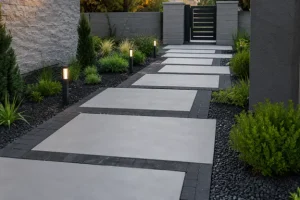
Permeable pavers are special blocks designed with gaps or porous structures so water can flow through to a gravel base below. They look like a solid, classic walkway, but they act like a drain.
- Allow rainwater to soak into the soil, reducing puddles and runoff.
- Help recharge groundwater instead of sending water to storm drains.
- Work well in backyards that get heavy rain or have known drainage issues.
You can use permeable pavers for straight garden walkways, curved paths, or even wider sitting areas, making them a flexible choice for many walkway ideas.
2. Gravel Paths
Gravel is one of the most drainage‑friendly materials you can use for backyard paths. Because it is loose and porous, water easily moves through the stones into the ground.
- Excellent drainage that prevents standing water and mud.
- Works well for informal or rustic hardscapes and landscapes in gardens and side yards.
- Affordable and easy to refresh over time as stones shift or compact.
A gravel path is especially helpful in low spots of your yard where water tends to collect, turning those problem areas into useful walkways ideas.
3. Flagstone With Gaps Or Gravel Joints
Flagstone walkways are popular because they look natural and blend into garden landscapes. When flagstones are set with gaps filled by gravel or groundcover plants, they allow water to pass between the stones.
- Durable and long‑lasting for busy paths.
- Joints filled with gravel or soil improve drainage and prevent pooling between stones.
- Natural look that pairs well with planting beds and lawn edges.
This style gives you the beauty of stone paving walkways without the drainage problems of a solid concrete slab.
4. Crushed Stone Or Decomposed Granite
Crushed stone and decomposed granite create firm but permeable surfaces that drain well. They are often used for garden walkways, side‑yard paths, and informal seating areas.
- Provide excellent drainage and resist erosion when installed over a proper base.
- Offer a smooth but natural look that suits many backyard themes.
- Can be combined with pavers, bricks, or timber edges for extra structure.
These materials are strong enough for regular foot traffic while still letting water filter through your hardscapes and landscapes, making them a reliable choice for long-lasting walkways for backyard.
5. Mulch Paths
Mulch paths use organic materials like wood chips or shredded bark to build soft, natural walkways. Because mulch is loose and biodegradable, it is naturally porous.
- Drain very well and help keep the soil beneath from compacting.
- Break down over time, improving soil health and structure.
- Ideal for low‑impact garden paths and woodland‑style walkway ideas.
Mulch paths work best in low‑traffic areas and can be a perfect solution for winding paths through planting beds.
Design Ideas For Drainage‑Friendly Backyard Walkways
Once you know which materials to use, you can play with layout, shape, and style to create walkways for backyard that are both practical and beautiful in your outdoor space.
Curved Garden Paths
Curved paths slow down the eye and create a more relaxed, natural feel in your yard. When made with permeable pavers, gravel, or flagstone, they also help water flow naturally into plant beds along the edges.
- Use a gentle curve to guide visitors to patios, seating areas, or garden focal points.
- Line the path with low plants or lighting to highlight the route and absorb runoff.
Curved walkways ideas are especially effective on sloped sites, where they can follow the natural lay of the land.
Stepping Stones With Grass Or Groundcover
Stepping stones spaced in grass or groundcovers create a light, airy walkway that lets most of the area remain permeable.
- Large stones or pavers act as firm stepping surfaces.
- The gaps between stones stay fully permeable, so water can soak in easily.
- Works well for crossing lawn areas or connecting patio spaces without heavy construction.
In areas with heavy foot traffic or snow shoveling, you can use tough groundcovers or gravel between stones instead of standard turf.
Gravel And Timber Frame Walkways
Walkways framed with timber or sleepers and filled with gravel combine strong edges with excellent drainage.
- Timber sides keep the gravel in place and define the path clearly.
- Gravel fill drains quickly and prevents muddy spots after rain.
- Fits well in rustic, cottage, or country‑style landscapes.
This style is also a simple DIY option for homeowners who want drainage-friendly hardscapes and landscapes on a budget, especially when building durable walkways for backyard.
Mixed‑Material Walkways
Combining several materials in one path can give you the best of both worlds: structure plus permeability.
Some effective mixes include:
- Brick or concrete pavers with gravel joints for classic looks and good drainage.
- Flagstone slabs set into decomposed granite for a stable, natural‑looking path.
- Recycled concrete “steppers” surrounded by gravel for eco‑friendly paving walkways.
Mixing textures adds visual interest and helps your walkway tie in with existing patios, driveways, or garden features.
How To Build A Drainage‑Friendly Walkway (Step‑By‑Step)
You do not have to be a pro to build a simple drainage-friendly path, but you should follow a few basic steps. Here is a simple process you can adapt to many walkways for backyard ideas.
1. Plan The Route And Shape
Decide where the walkway will start and end, and how people will use it day‑to‑day. Try walking the route to see what feels natural and note any low spots or soggy areas.
- Avoid creating paths that trap water against your home or structures.
- Use stakes or a garden hose on the ground to outline the shape.
2. Check Slope And Drainage Pattern
Walkways should usually slope slightly away from buildings so water doesn’t run toward foundations. A small cross‑slope is often enough.
- A gentle slope helps water move off the surface while still feeling level underfoot.
- In very flat yards, you might add a shallow swale or French drain beside the path.
3. Excavate The Path Area
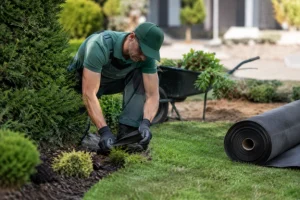
Remove grass and topsoil along the path route to the depth needed for your base and surface materials.
- Many paths need about 4–6 inches of depth for gravel base plus the surface layer.
- Compact the exposed soil so it forms a firm, even base that will not shift easily.
4. Install A Gravel Base
Spread a layer of clean, angular gravel or crushed stone to form the drainage layer.
- This base supports the walkway and allows water to move away from the surface.
- Compact the gravel in thin layers for maximum stability and better drainage.
For permeable pavers or flagstone, this base is essential to prevent sinking and puddling.
5. Add Edging (If Needed)
Edging helps keep your walkway neat and prevents gravel or mulch from washing out during heavy rain.
- Options include metal edging, stone borders, timber, or paver soldiers.
- Make sure edging does not form a solid wall that traps water on the path.
6. Install The Walkway Surface
Lay your chosen material on top of the base for durable walkways for backyard.
- For permeable pavers, follow manufacturer guidelines for spacing and infill material.
- For gravel or crushed stone, spread to your desired depth and compact lightly.
- For flagstone, set stones on the base and fill joints with gravel, sand, or soil.
Keep the finished surface slightly above surrounding soil so water flows off the edges and doesn’t collect on the path.
7. Finish With Joint Or Surface Infill
The final step is to fill gaps and joints with a material that supports drainage.
- Use permeable joint sand or small gravel between pavers.
- Add more mulch, gravel, or groundcover plants between stepping stones.
- Top off loose materials occasionally as they settle over time.
Preventing Common Drainage Problems On Walkways
Even a well‑built path can run into issues if the yard changes or maintenance is ignored. Paying attention to a few details will help your walkways for backyard ideas perform better for longer.
Avoid Flat Or Low Spots
Flat areas or dips in a walkway surface can collect water and cause puddles. These are not only annoying but can also damage materials and create safety hazards.
- Check your walkway after heavy rain to see where water sits.
- Add or adjust base material and surface layers to remove dips and improve flow.
Keep Surface And Drains Clear
If you have gravel, mulch, or permeable surfaces, they can clog with leaves, soil, or debris over time.
- Rake gravel or mulch paths occasionally to loosen compacted areas and clear debris.
- Keep nearby drains, swales, and gutters clean so water can move freely away from the path.
Protect Nearby Planting Beds
Walkways that drain well can send more water toward surrounding planting areas.
- Use plants that tolerate extra moisture near low points of the path.
- Add mulch to beds to slow runoff and reduce erosion around your hardscapes and landscapes.
Style Tips To Blend Walkways With Your Landscape
A drainage‑friendly walkway should not look like just a functional fix. With the right choices, it can become a beautiful part of your backyard, enhancing your outdoor space and making your walkways for backyard inviting and functional.
- Match materials to your home and patio: Use similar stone, brick, or colors in your paving walkways and outdoor living areas for a cohesive look.
- Use lighting for safety and drama: Low‑voltage or solar path lights make walkways safer at night and highlight texture and planting.
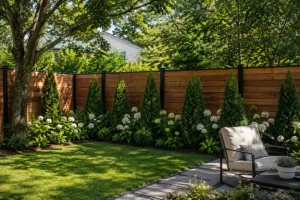
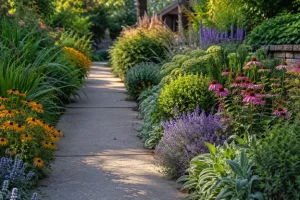
- Add plants along edges: Groundcovers, ornamental grasses, and low shrubs soften the edges of paths and help soak up extra water.
- Create destinations: Lead your path to a seating area, fire pit, garden bed, or water feature to turn a simple walkway into an experience.
By thinking of walkways as part of your overall hardscapes and landscapes, you create an outdoor space that looks balanced and welcoming.
Simple Maintenance For Long‑Lasting Walkways
Even the best drainage‑friendly designs need a little care. Thankfully, most of these tasks are simple and can be done a few times a year.
- Rake and top up gravel or mulch as needed to keep the surface even and well‑draining.
- Reset any settled stones or pavers to prevent trip hazards and puddles.
- Trim back plants that grow over the path and block water flow or walking room.
- Inspect after big storms to catch erosion or washouts early.
Regular light maintenance will help your paving walkways stay safe, attractive, and functional for many years.
When To Call A Professional
Some backyard walkways are simple enough for a weekend DIY project, but others are better handled by a skilled team. If you have serious drainage issues, steep slopes, or want a complex design, a landscape professional can help.
- They can check grading around your home and design paths that protect your foundation.
- They know how to combine drains, swales, and permeable materials into one effective system.
- They can suggest the best walkway ideas for your soil type, climate, and yard layout.
Investing in expert planning now can save you from costly repairs and repeated fixes later on.
Transform Your Walkways for Backyard Comfort and Style
If your backyard paths turn into puddles or mud every time it rains, now is the perfect time to upgrade to drainage-friendly walkways for backyard that look great and work hard for you. Strong, well-planned paving walkways can guide guests, protect your home from water issues, and tie your hardscapes and landscapes into one beautiful, functional outdoor space.
At Hawkins Landscaping Inc., we design and install custom walkways that combine durability, proper drainage, and eye-catching design. From permeable pavers and gravel pathways to elegant natural flagstone layouts, our team creates solutions that manage water effectively while enhancing curb appeal and long-term property value.
Get inspired by these walkway ideas and take the next step. Call (301) 898-3615 or visit hawkinslandscaping.com to schedule your consultation. Ask about flexible financing options and discover how a professionally designed walkway can keep your yard dry, safe, and inviting in every season.