Hardscapes are the solid, built parts of your yard—like patios, walkways, walls, and steps—that work together with plants to create a complete outdoor space. Knowing what are hardscapes helps you design a yard that balances structure with greenery. In a modern landscape, hardscapes landscaping focuses on clean lines, simple shapes, and low‑maintenance materials that make your yard more beautiful and more useful.
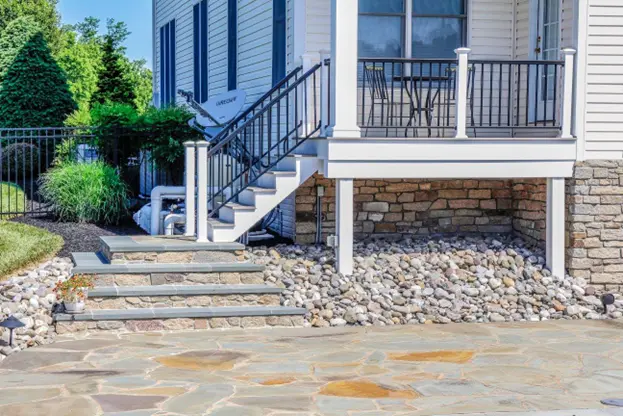
What Are Hardscapes?
Hardscapes are the non‑living, man‑made features in your yard or garden. For those asking what are hardscapes, they include anything built from stone, brick, concrete, wood, metal, or pavers.
- Hardscapes landscaping covers patios, walkways, driveways, retaining walls, fire pits, outdoor kitchens, steps, and built‑in seating.
- These features add structure and shape, while plants, lawns, and trees fill in the soft, green parts around them.
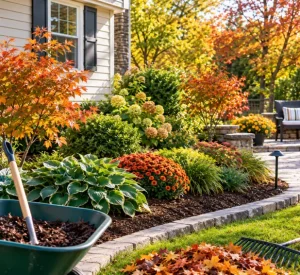
- Good hardscapes and landscapes work together so your yard looks balanced and feels easy to use.
Think of your outdoor space like a house: the hardscape is the “frame and floors,” and the plants are the furniture and decor that soften everything.
Hardscapes vs. Softscapes
To design a modern yard, you need both hardscapes and softscapes. Understanding what are hardscapes can help you see how they differ from softscapes and why both matter.
- Hardscapes: patios, walls, paths, decks, driveways, pergolas, water features, and masonry elements.
- Softscapes: grass, flowers, shrubs, trees, groundcovers, and garden beds.
When hardscapes and landscapes are planned together, you get:
- Better flow from one area to another
- Clear spaces for sitting, cooking, playing, and relaxing
- A yard that looks good in every season, even when plants are bare
A modern design often uses simple, straight lines in the hardscape with softer, layered plantings around the edges.
Why Hardscapes Matter in Modern Yards
Modern landscapes focus on clean style and everyday comfort, and hardscapes and masonry make that possible. Knowing what are hardscapes highlights their key benefits for functionality and style.
Key benefits:
- More living space: Patios, decks, and outdoor kitchens turn your yard into another “room” for gathering, eating, and relaxing.
- Easy care: Hard surfaces reduce mowing, weeding, and watering. They are ideal if you want a low‑maintenance yard.
- Better drainage: Pavers, retaining walls, and gravel areas help control runoff and protect your home and plants.
- Higher home value: Well‑designed hardscapes landscaping makes your property more attractive to buyers and can increase resale value.
In short, hardscapes do the heavy lifting: they control traffic, shape the space, and support comfortable outdoor living.
Popular Hardscape Materials
Modern hardscapes and masonry use a mix of materials to create a clean, updated look.
Common choices:
- Concrete: Can be plain, colored, or stamped to look like stone or brick. Great for patios and walkways.
- Pavers: Concrete or clay pavers come in many shapes and colors, allowing creative patterns and borders.
- Natural stone: Flagstone, bluestone, slate, and granite give a timeless, upscale feel.
- Brick: Classic, durable, and warm in color, perfect for paths, edging, and walls.
- Gravel: Affordable and permeable, useful for paths, sitting areas, and drainage zones.
- Wood and composite: Used for decks, steps, and pergolas to add warmth and contrast.
- Masonry blocks: Used for retaining walls, seating walls, and fire features, often with a modern, modular look.
Mixing two or three materials—for example, stone with wood, or concrete with brick borders—can create a custom look without making the design feel busy.
Top Hardscape Features for Modern Landscapes
Below are the most popular features used in modern hardscapes landscaping. To understand what are hardscapes, it helps to see how these built elements bring structure, style, and function to your yard. You can combine several of them to build a complete outdoor living area.
1. Patios as Outdoor Living Rooms
A patio is often the heart of modern hardscapes. Seeing what are hardscapes in action makes it clear why patios are essential—they define the space and provide a central area for relaxing, dining, and entertaining.
- Uses: dining, lounging, grilling, and entertaining.
- Shapes: simple rectangles or squares with crisp edges work well in modern designs.
- Materials: large concrete slabs, large‑format pavers, or clean‑cut stone for a sleek look.
To update the space:
- Add an outdoor rug to soften the surface.
- Use simple, modern furniture with clean lines.
- Include planters to connect your hardscape and landscape.
2. Walkways and Garden Paths
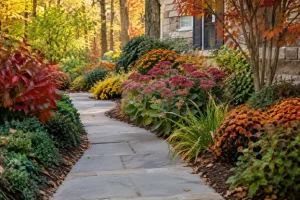
Walkways make your yard easy to move through and can act as a design feature by themselves.
- Front‑entry paths guide guests to your door in a welcoming way.
- Side‑yard paths connect front and back yards and prevent muddy tracks.
- Garden paths lead to seating areas, sheds, or play spaces.
Modern path design tips:
- Use straight or gently curved lines instead of complex twists.
- Choose a repeating pattern of pavers or stone for a clean rhythm.
- Add low lighting along the edges for safety and style at night.
3. Driveways with Curb Appeal
A driveway is a major part of your front landscape, so it should match your overall style.
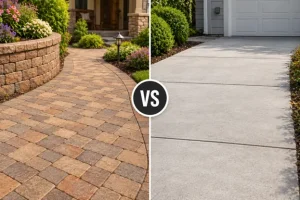
- Paver driveways add character and are more eye‑catching than plain concrete.
- Borders or insets in a different color or pattern create a modern, custom look.
- Permeable pavers help reduce puddles and support eco‑friendly drainage.
Pair the driveway hardscape with plant beds or low walls to frame your entry and boost curb appeal.
4. Retaining Walls and Seating Walls
Walls are a huge part of hardscapes and masonry and can solve both style and function problems.
Uses:
- Hold back soil on slopes to prevent erosion.
- Create level terraces for patios, lawns, or garden beds.
- Offer built‑in seating along patios and fire pits.
Modern wall ideas:
- Use smooth concrete blocks or cut stone in neutral tones (gray, beige, charcoal).
- Keep lines straight and heights consistent for a clean look.
- Add capstones in a contrasting color for a finished edge.
A low seating wall around a patio can replace multiple chairs and make the space feel cozy and defined.
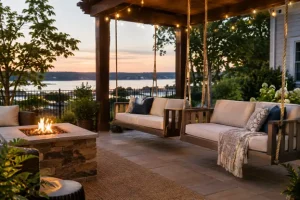
5. Fire Pits and Outdoor Fireplaces
Fire features are one of the most loved modern hardscape additions.
Benefits:
- Extend the outdoor season into cooler evenings.
- Create a natural gathering point for family and friends.
- Add drama and warmth to your landscape at night.
Options:
- Wood‑burning fire pits for a traditional campfire feel.
- Gas fire pits or fire tables for instant, low‑mess flames.
- Masonry fireplaces as a bold focal point that anchors the seating area.
Use stone, brick, or masonry blocks that match your other hardscape features so everything feels tied together.
6. Outdoor Kitchens and Grill Stations
Modern homeowners often want their outdoor area to function like an extension of the indoor kitchen.
Common elements:
- Built‑in grill or smoker
- Counter space for prep and serving
- Storage for tools and supplies
- Optional extras like a fridge, sink, or pizza oven
Design tips:
- Use durable masonry—stone, brick, or stucco over block—for the base.
- Choose a countertop material that can handle heat and weather, like granite or concrete.
- Place the kitchen close enough to the indoor kitchen to make carrying food easy, but far enough to keep smoke away from doors and windows.
7. Pergolas, Arbors, and Shade Structures
Shade structures add height and help define “rooms” in your outdoor space.
- Pergolas: often installed over patios or decks to frame a seating or dining area.
- Arbors: smaller structures that mark entries into gardens or paths.
- Modern styles use simple beams, clean lines, and neutral colors.
You can train vines over a pergola, hang string lights, or add curtains to soften the structure and create a more private retreat.
8. Water Features and Fountains
Water is a powerful way to add calm and movement to hardscapes.
Popular options:
- Small, self‑contained fountains built into a wall or basin.
- Modern reflecting pools with crisp edges.
- Narrow rills or channels that run beside a path or patio.
Pair water features with stone, concrete, or metal for a sleek, modern look. The sound of running water can also help mask traffic noise in busy neighborhoods.
9. Steps and Terraces
When your yard slopes, steps and terraces are key parts of your hardscapes landscaping plan.
- Wide, low steps feel safer and more modern than steep, narrow ones.
- Terraced levels can each serve a purpose: lounge area, dining area, or garden beds.
- Use the same or coordinating materials as your patio and paths for a unified design.
Adding lighting to steps is both attractive and important for safety.
10. Lighting in Hardscape Design
Lighting is a must‑have element in modern hardscapes and landscapes.
Types:
- Path lights to guide people at night.
- Step and wall lights built into masonry.
- Under‑cap lights on seating walls.
- Spotlights to highlight trees, sculptures, or water features.
LED lights use little energy and can be added to most hardscape features during installation so wires are hidden and safe.
Design Tips for Modern Hardscapes
To create a yard that feels fresh and current, focus on simple forms and strong structure. Understanding what are hardscapes helps you make design choices that highlight structure while keeping the space inviting.
Keep the Layout Simple
- Use clear, straight lines and basic shapes like rectangles and squares.
- Avoid too many curves and angles that make the space feel busy.
- Group features into zones: dining, lounging, cooking, play, and garden.
A simple layout is easier to build, easier to maintain, and more relaxing to be in.
Balance Hard and Soft
Modern does not mean cold. You still want warmth and life.
- Combine solid surfaces with planting beds, lawn areas, and planters.
- Use grasses, shrubs, and trees to soften edges and add shade.
- Add color with flowers or pots so your hardscapes landscaping feels inviting rather than harsh.
A good rule: for every large hard surface, include nearby plants to balance the space.
Choose a Limited Color Palette
Too many colors and textures in hardscapes and masonry can look chaotic.
- Stick to two or three main tones, such as gray, charcoal, and warm wood.
- Repeat the same material in different areas to tie the design together.
- Use bolder colors only as accents in borders, furniture, or decor.
This makes your yard feel calm and polished.
Plan for Drainage and Comfort
Function matters just as much as looks.
- Slope patios and paths slightly away from your house so water does not pool.
- Consider permeable pavers or gravel in areas that collect water.
- Think about sun and shade: place seating where it will be comfortable most of the day.
If you are not sure how water moves on your property, talk with a professional before installing large hardscape features.
Low‑Maintenance and Sustainable Hardscapes
Many homeowners choose hardscapes landscaping because it can reduce yard chores and support eco‑friendly choices.
Low‑maintenance ideas:
- Use durable materials like concrete, stone, brick, and composite decking that are easy to clean and rarely need replacement.
- Replace some high‑water lawn with pavers, gravel, or decks.
- Choose native and drought‑tolerant plants around hardscape areas.
Sustainable touches:
- Permeable pavers or spaced stepping stones with gravel or groundcover between them.
- Rain gardens or dry creek beds to catch runoff from patios and roofs.
- LED lighting and efficient irrigation systems to save energy and water.
These choices make your yard more resilient and comfortable in all kinds of weather.
How to Start a Hardscape Project
If you are thinking about updating your yard, start with a simple plan. You do not have to build everything at once.
Steps:
1. List your needs
- Do you want more space to eat outside?
- Do you need safe paths for kids and guests?
- Do you want a quiet retreat or a place to host big groups?
2. Set a budget
- Decide how much you are comfortable investing now and what can wait for later.
3. Sketch a basic layout
- Mark where patios, paths, and key features might go.
- Note sun and shade, views you want to highlight, and areas you want to screen.
4. Choose materials
- Pick two or three materials that match your home’s style and color.
5. Talk with a professional
- A hardscapes and masonry expert can refine your ideas, suggest improvements, and make sure everything is built to last.
Planning ahead will save time and money and help you avoid common problems like poor drainage or awkward layouts.
What Are Hardscapes and Why Work with a Professional?
While small projects like a simple path or a few stepping stones can be DIY, larger hardscapes and landscapes are usually better handled by a trained crew.
Benefits of hiring a pro:
- Design expertise: they know how to shape space, choose the right materials, and blend hardscape and landscape.
- Structural know‑how: they understand base preparation, compaction, drainage, and building codes.
- Long‑term durability: correctly installed hardscapes are less likely to crack, shift, or settle.
A professional crew also has the tools and experience to complete the work faster and more safely than most homeowners can do themselves.
If you’re ready to transform your yard with modern hardscapes landscaping, now is the perfect time to start. By now, you have a clear idea of what are hardscapes and how they can completely transform your outdoor space. A smart mix of hardscapes and landscapes can turn your outdoor space into a beautiful, low-maintenance extension of your home.
At Hawkins Landscaping Inc., we specialize in custom patios, walkways, retaining walls, outdoor fireplaces, fire pits, and full outdoor living environments designed to enhance both functionality and curb appeal. With over 50 years of experience serving Frederick County and surrounding areas, our team delivers expert craftsmanship, durable materials, and designs tailored to your property, lifestyle, and budget.
Contact us today to schedule your design consultation and explore outdoor living ideas customized for your home. Whether you’re planning a new patio, custom masonry, a cozy fire pit, or a complete outdoor living space, our hardscape experts will help you plan, build, and enjoy a yard that fits your life for years to come.
Call (301) 898-3615 or visit hawkinslandscaping.com to get started. Be sure to ask about our flexible financing options to make your project even more accessible.