If you are a busy homeowner, you probably want a beautiful yard without spending every weekend mowing, weeding, and trimming. The good news is that low-maintenance hardscapes landscaping can help create a stylish outdoor space that is easy to care for.
In this guide, you will learn how to blend hardscapes and landscapes, choose the right materials, and design a yard that looks great all year with very little work. You will also see practical hardscapes construction tips and clear calls to action so you know what to do next.
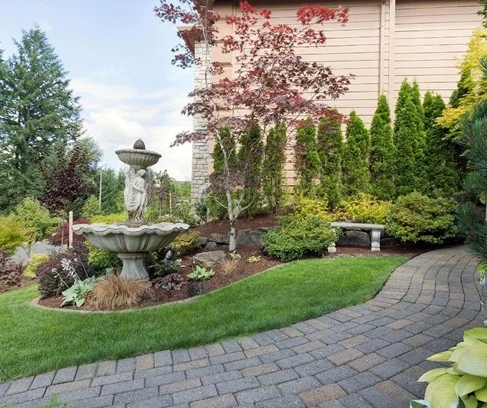
What Makes Hardscapes Landscaping Important?
In simple terms, “hardscapes” are the non-living parts of your yard. These include patios, walkways, driveways, retaining walls, decks, steps, fire pits, and stone or gravel areas. The “landscape” or “softscape” is the living part: grass, flowers, shrubs, trees, and groundcovers.
For busy homeowners, hardscapes are powerful because:
- They do not need mowing, pruning, or weekly watering the way lawns do.
- They last for many years with only basic care, like sweeping or an occasional pressure wash.
- They instantly add structure, paths, and outdoor rooms to your yard.
When you mix the right hardscapes landscaping approach with natural plantings, you create a yard that is beautiful, functional, and very simple to maintain.
Key Principles of Low-Maintenance Design
Before you choose materials or layouts, it helps to follow a few simple design rules. These principles make your hardscapes landscaping approach both attractive and easy to live with.
1. Keep the Layout Simple
Busy homeowners should avoid complicated shapes and tiny planting areas that need constant attention. Simple, clean lines are easier to maintain.
- Use large, simple shapes for patios and planting beds.
- Limit the number of different materials so your yard looks calm and unified.
- Avoid narrow strips of grass or plants that are hard to mow or trim.
2. Reduce Lawn Area
Lawns need mowing, edging, fertilizing, and frequent watering. Even shrinking your lawn by 25–30% can save a lot of time and money each year.
You can replace some grass with:
- A paver or stone patio.
- Gravel or decomposed granite seating areas.
- Groundcovers or artificial turf that do not need mowing.
3. Choose Durable, Low-Care Materials
The best hardscapes construction materials for low-maintenance yards are strong, weather-resistant, and easy to clean.
Popular options include:
- Natural stone (flagstone, bluestone, slate) for patios and walkways.
- Concrete or concrete pavers for long-lasting paths and drives.
- Gravel or crushed rock for informal paths and sitting areas.
- Composite decking that does not need staining or sealing.
Best Low-Maintenance Hardscape Ideas for Busy Homeowners
Now let’s look at specific ideas you can use right away. These hardscapes landscaping designs are perfect for people who want style with little upkeep.
1. Paver or Stone Patio Instead of Grass
One of the easiest ways to cut yard work is to replace part of your lawn with a patio. A paver or stone patio gives you a clean, flat space for dining, grilling, or relaxing.
Benefits:
- No mowing or edging.
- Simple to clean with a broom or hose.
- Adds real value and usable living space to your home.
Design tips:
- Use larger pavers or stones in simple patterns for a modern, low-clutter look.
- Add a narrow planting strip or raised beds around the edge for soft color and privacy.
- Choose a color that matches your home’s exterior so everything feels connected.
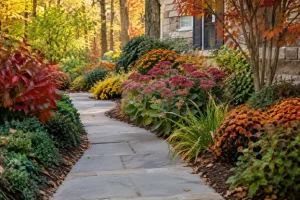
2. Gravel or Decomposed Granite Paths
Gravel or decomposed granite paths are low-cost, easy to install, and very easy to maintain. They bring a relaxed, natural look to your yard and help prevent muddy areas.
Advantages:
- Quick to install compared to poured concrete.
- Easy to top up if any spots settle over time.
- Great for side yards, connecting gates, or simple garden walkways.
To keep paths low-maintenance:
- Use edging (metal, stone, or brick) so gravel stays in place.
- Lay a weed barrier fabric under the gravel to prevent weeds.
- Choose a medium-size aggregate that is comfortable to walk on.
3. Raised Planter Beds and Retaining Walls
Raised planter beds and small retaining walls add height, structure, and clean lines to your yard. They also make planting and maintenance easier on your back.
Why they are great for busy homeowners:
- Soil stays more controlled, so you have fewer weeds.
- You can group plants by water needs, which makes watering easier and more efficient.
- Walls and beds double as seating in small yards.
Material ideas:
- Concrete blocks or modular wall systems for a clean, modern look.
- Natural stone for a rustic or classic style.
- Composite or metal planters for balconies and small patios.
4. Built-In Seating, Fire Pits, and Outdoor Rooms
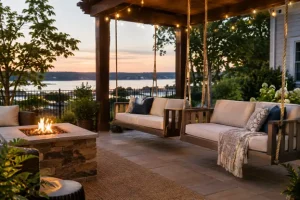
Hardscapes are not just about surfaces; they also create complete outdoor rooms. Built-in benches, low walls, and fire pits turn a simple yard into a true living space.
Low-maintenance features to consider:
- Built-in stone benches around a fire pit instead of movable furniture.
- A simple gas fire pit that turns on with a switch and needs little upkeep.
- A pergola with climbing vines or shade cloth for a cool seating area.
Because these features are made from stone, concrete, or metal, they do not rot or need weekly care. A quick wipe down or rinse is usually enough.
5. Decorative Gravel Areas with Planters
If you like a modern or desert-inspired look, large gravel areas with a few bold planters are a great choice. They are popular in low-maintenance, drought-tolerant designs.
Benefits:
- Gravel suppresses weeds and reduces soil erosion.
- Large containers are easier to manage than long planting beds.
- You can move or change planters without redoing the whole yard.
Use simple shapes and repeat the same planter style or color to keep the design calm and unified.
Smart Planting to Support Hardscapes
Even in a hardscape-focused yard, you still want some plants for softness, color, and shade. The trick is to choose plants that need very little care and pair them with the right hardscapes.
Use Native and Drought-Tolerant Plants
Native plants are adapted to your local climate, so they usually need less water and care than non-native plants. Many cities now encourage or reward homeowners who use water-wise landscaping ideas.
Good choices often include:
- Native grasses and sedges.
- Shrubs that stay compact without constant pruning.
- Perennials that come back each year with minimal attention.
Group Plants and Simplify Beds
Instead of many small, scattered beds, use a few larger beds with repeated plants. This looks more polished and is faster to maintain.
Tips:
- Group plants by water and sun needs so irrigation is simple.
- Use mulch around plants to hold moisture and prevent weeds.
- Repeat the same 3–5 plant types across your yard for a calm, modern feel.
Comparing Common Hardscape Options
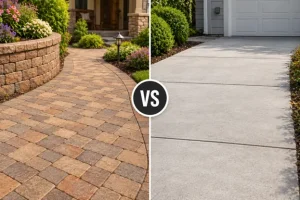
Here is a quick comparison table to help you choose the right low-maintenance hardscapes for your busy lifestyle.
Hardscape Type | Maintenance Level | Main Benefits | Best Uses |
Paver/stone patio | Very low | No mowing, easy to clean, long-lasting surface | Dining, lounging, outdoor kitchens |
Gravel path/area | Low | Affordable, fast to install, natural look | Side yards, garden paths, seating areas |
Concrete (poured) | Very low | Durable, smooth, great for driveways | Drives, sport areas, modern patios |
Composite decking | Very low | No staining or sealing, resists rot | Decks, small terraces, balcony spaces |
Retaining walls/beds | Low | Controls soil, reduces weeds, adds structure | Slopes, raised gardens, seating edges |
Decorative gravel + pots | Very low | Strong visual impact, minimal watering when paired with right plants | Front yards, modern courtyards, side yards |
Hardscapes Construction Tips for Long-Lasting Results
Even the best design will not stay low-maintenance if the construction is poor. Here are simple guidelines to keep your hardscapes solid and hassle-free for years.
1. Start with Proper Base Preparation
A stable base is key for patios, walkways, and walls. Without it, you may see shifting, sinking, or cracking over time.
Basic steps professionals follow:
- Excavate to the correct depth for your climate and soil.
- Add and compact a layer of crushed stone or gravel.
- Use sand or stone dust as a leveling layer for pavers.
2. Plan for Drainage
Water should flow away from your home and not pool on your patio or path.
Simple drainage best practices:
- Slope surfaces gently away from buildings.
- Use permeable pavers or gravel where possible to let water soak in.
- Add drains or dry riverbeds in low spots if needed.
3. Choose Quality Materials and Sealing (If Needed)
High-quality pavers, stones, and wall blocks often cost more at first but save money and work later.
- Select materials rated for freeze-thaw conditions if you live in a cold climate.
- In some cases, sealing pavers or concrete can protect against stains and make cleaning easier.
- Avoid very cheap materials that may crack or fade quickly.
Simple Seasonal Care for Low-Maintenance Yards
Even the best low-maintenance hardscapes and landscapes need a little attention now and then. Here is a simple care plan that fits a busy schedule.
Spring
- Sweep patios and paths, remove leaves and debris.
- Check for any shifting pavers or cracks and schedule small repairs early.
- Refresh mulch in beds to keep weeds down and moisture in.
Summer
- Spot pull weeds that break through gravel or joints.
- Use drip irrigation or soaker hoses on timers for low-effort watering.
- Wipe down or hose off seating and outdoor furniture as needed.
Fall
- Blow or rake leaves off hardscapes so they do not stain.
- Cut back perennials and grasses once, not every few weeks.
- Check drainage and downspouts before winter storms.
Winter (in colder climates)
- Use the right de-icing products that will not damage stone or concrete.
- Avoid metal shovels on delicate surfaces; use plastic where possible.
How to Get Started: From Idea to Finished Yard
If you feel overwhelmed, break the process into small, clear steps. Even one or two key changes can dramatically cut your yard work.
- Walk your yard and list what bothers you most (mowing time, muddy spots, weeds, lack of seating).
- Choose one main area to improve first: front entry, back patio, or side yard.
- Decide which hardscape would help most there: patio, path, raised beds, or gravel seating.
- Set a simple budget and timeline that fits your life.
- Contact a professional landscaping and hardscapes construction company to turn your ideas into a clear plan and quote.
Why Hardscapes Landscaping Works for Busy Homeowners
Low-maintenance hardscapes landscaping designs are more than a trend; they are a smart lifestyle choice for busy people. By replacing high-care lawns with patios, paths, and well-planned planting beds, you:
- Save hours of time every month.
- Cut water use and reduce your utility bills.
- Increase your home’s curb appeal and resale value.
- Create real outdoor rooms where you can relax, entertain, and recharge.
If you are juggling work, family, and a full calendar, your yard should not feel like another job. With the right mix of hardscapes and landscapes, plus smart hardscapes construction choices, you can have a beautiful outdoor space that almost takes care of itself.
Don’t wait for “someday” to upgrade your yard. Reach out to the trusted professionals at Hawkins Landscaping Inc. today, share your vision, and let our team design a low-maintenance outdoor space that fits your busy lifestyle.
With over 50 years of experience serving Frederick County and surrounding areas, Hawkins Landscaping Inc. specializes in custom landscaping design, hardscapes, patios, walkways, drainage solutions, and complete outdoor living spaces built for beauty, durability, and everyday enjoyment.
Call (301) 898-3615 or visit hawkinslandscaping.com to schedule your design consultation. Ask about our flexible financing options and start planning a yard that works perfectly for your home and lifestyle.