When guests walk up to your home, the first thing they notice is the walkways to front door that lead to your entry. A well-designed walkway with garden beds and smart landscaping can turn an ordinary yard into a warm, welcoming space. It guides people safely, shows off your style, and adds real value to your home.
You do not need a huge budget to get a beautiful front entry. With the right walkways ideas, simple plants, and a good plan, you can create a look that feels finished and inviting.
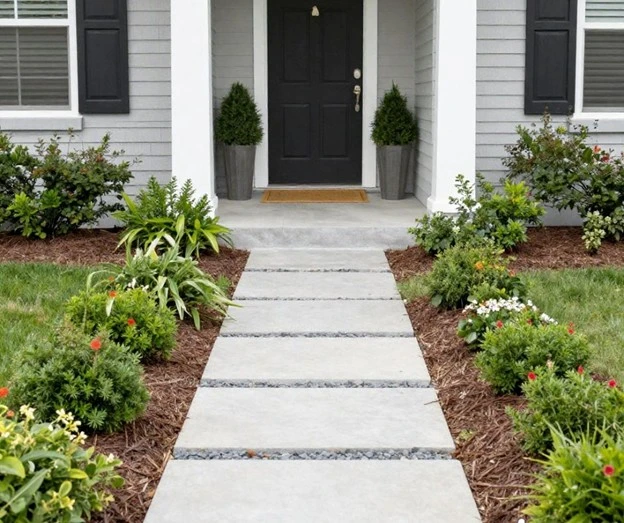
Why Walkways to Front Door Matter for Your Home
Your front walkway does more than give people a place to walk. It also:
- Shapes that first impression of your home.
- Makes your entry safer and easier to use in all weather.
- Adds curb appeal that can help resale value.
- Connects your driveway, sidewalk, and front door in a neat way.
Think of your walkway as the spine of your front yard. The garden beds, lawn, lighting, and other features all connect to it. When you plan the path first, your hardscapes and landscapes feel more organized and balanced.
Step 1: Plan the Best Path to Your Door
Before you choose plants or pavers, decide how you want people to move through the space — especially when planning walkways to front door that feel natural and easy to follow.
Straight vs. curved walkways
- Straight walkways are classic and formal.
They work well for traditional homes and short distances. - Curved walkways feel relaxed and natural.
They give you more room for garden beds and create a softer look.
- Straight walkways are classic and formal.
A simple test: stand at the street or driveway and watch how you naturally want to walk to the door. Designing the path to follow that natural line often feels best and keeps people from cutting across your lawn.
Path width and comfort
For most homes, a front walkway should be at least 3–4 feet wide so two people can walk side by side without bumping into each other. If you have room, 4–5 feet feels generous and welcoming.
- Narrow paths are fine for small gardens or side yards.
- Wider paths feel more grand and are easier if you often carry bags, strollers, or groceries.
Entrances, landings, and steps
If your door is raised, plan a landing area at the top of any steps. This gives guests space to stand, knock, and turn around safely. Use the same or matching material as your paving walkways so the look feels connected.
Step 2: Choose Your Walkway Material
The material you choose for your walkway sets the style for your whole front yard. Here are some simple walkways ideas using common materials.
Concrete
- Clean, modern, and affordable.
- Can be poured in simple shapes or stamped to look like stone or brick.
- Works well if you like a minimal, low‑maintenance look.
Pavers (concrete or brick)
- Very popular for paving walkways in front yards.
- Come in many colors, shapes, and patterns.
- Easy to repair by lifting and replacing single pieces.
- Can match or contrast with your driveway for a custom design.
Natural stone
- Flagstone, bluestone, slate, or other natural stones give a timeless, high‑end look.
- Each piece is unique, which adds texture and character.
- Great for curved paths and garden‑style entries.
Gravel and stepping stones
- One of the simplest walkways ideas for cottage or rustic homes.
- Stepping stones set in gravel or mulch create a soft, informal path.
- Gravel drains well but needs edging to stay in place.
Brick
- Classic choice that suits older homes and traditional designs.
- Can be laid in patterns like herringbone, basketweave, or running bond.
- Pairs nicely with white trim, shutters, and cottage‑style plantings.
When you think about hardscapes and landscapes together, choose a material that works with your home’s roof color, trim, and style. For example, warm‑tone brick or stone looks great with beige or tan homes, while gray pavers or slate suit cooler‑colored houses.
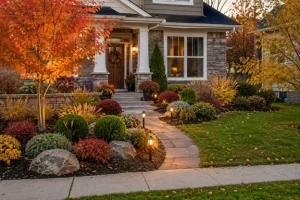
Step 3: Design Garden Beds Along the Walkway
Once you know where your path will go and what it will be made of, you can design the garden beds that frame it. These beds soften the hard edges of your walkway and bring life and color to the front of your home.
Define the bed shape
Follow the edge of the path with a smooth curve or gentle angle. Avoid too many little wiggles; they make mowing and trimming harder and can look messy. A simple long curve on each side of your paving walkways is usually enough to look elegant.
You can:
- Keep beds low and narrow for a clean, modern look.
- Make wider beds with layers of plants for a full, garden‑style entry.
- Add one or two small islands of planting where the walkway turns or meets the driveway for extra interest.
Use layers of plants
A good rule for front walkway beds is to plant in layers:
- Tallest plants at the back, near the house or fence.
- Medium plants in the middle.
- Low, edging plants near the path.
This makes sure nothing blocks the walkway or hides your front door. It also keeps sight lines clear for security.
Step 4: Choose Plants That Perform
Plant choice makes a big difference in how your entry looks over time. Look for plants that:
- Fit your climate and sun conditions.
- Stay neat and do not overgrow the path.
- Give you color or texture in more than one season.
Foundation shrubs
These are the backbone plants behind your garden beds:
- Evergreen shrubs for year‑round structure.
- Flowering shrubs for spring or summer color.
- Compact varieties that will not grow too tall in front of windows.
Plant them in loose groups rather than in perfect straight lines to avoid a stiff look.
Perennials and small flowering plants
Perennials come back year after year and add color and softness along paving walkways:
- Use different bloom times so something is always in flower.
- Mix shapes and colors, like spikes, mounds, and airy flowers.
- Place lower plants near the edges so they do not spill too far into the path.
Groundcovers and edging plants
Groundcovers and edging plants help define the line between path and bed. They also reduce weeds and fill gaps.
Look for plants that:
- Stay low to the ground.
- Tolerate some foot traffic if people might brush past them.
- Have interesting leaves or flowers for extra charm.
You can also use low ornamental grasses or repeating small shrubs as a living border along your hardscapes and landscapes.
Step 5: Match Style to Your Home
Your walkway, garden beds, and landscaping should make sense with the style of your house, especially when designing walkways to front door that feel cohesive and intentional. Here are some simple style-based walkways ideas:
Modern or contemporary homes
- Straight or very gentle curves.
- Clean edges and larger‑format pavers or poured concrete.
- Simple planting with bold shapes and a few repeated plants.
- Neutral colors with one or two accent plants near the door.
Traditional homes
- Brick or stone paving walkways in classic patterns.
- Soft curves leading to a defined front step and porch.
- Mixed shrubs and perennials in layered beds.
- Seasonal flowers near the entry to highlight the door.
Cottage or farmhouse style
- Curved paths made of stone, brick, or stepping stones in gravel.
- Full beds with lots of flowers and herbs.
- White picket or low fences to frame hardscapes and landscapes.
- Climbing plants on a trellis near the front steps.
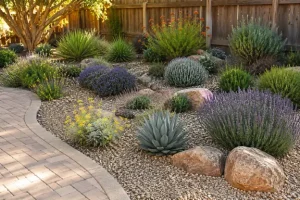
Desert or low‑water landscapes
- Decomposed granite, gravel, or pavers with wider joints.
- Succulents, grasses, and drought‑tolerant shrubs.
- Boulders and dry creek beds as natural accents.
- Drip irrigation hidden under mulch to save water.
Step 6: Add Lighting for Safety and Mood
Lighting is one of the best ways to make your front walkway feel finished and safe.
- Path lights along the edge of paving walkways prevent trips and falls.
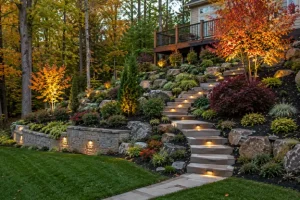
- Step lights help with changes in level.
- Low‑voltage or solar lights are simple to install and run.
Place lights so they guide the eye to your front door. Do not overdo it; soft, warm light is enough. You can also highlight a special tree, a piece of garden art, or the house number for extra style.
Step 7: Use Edging and Borders to Keep It Neat
Edging creates a clean line between your walkway and garden beds and is a key part of your hardscapes and landscapes.
Options include:
- Metal or plastic edging for a thin, nearly invisible line.
- Brick or stone set along the edge of the path.
- A row of low, tidy plants like boxwood or dwarf grasses.
Good edging keeps mulch and soil from washing onto the path and makes mowing and maintenance easier.
Step 8: Think About Drainage and Maintenance
Beautiful walkways and garden beds also need to be practical.
Drainage
Make sure water flows away from your house and does not pool on the walkway. Slight slopes or permeable pavers can help. In rainy areas, consider a dry creek bed or gravel strip beside the path to catch extra water.
Easy care
Choose plants that match the time you want to spend on yard work. If you are busy, go for:
- Fewer plant types, repeated along the bed.
- Mulch to hold moisture and block weeds.
- Drip irrigation to water plants at their roots.
Use durable materials for paving walkways, and seal them if needed, so they last longer and are easier to clean.
Ideas to Upgrade an Existing Walkway
You do not have to start from scratch. Here are quick walkways ideas to improve what you already have:
- Widen a narrow path by adding a row of pavers on each side.
- Add new garden beds alongside an old concrete walk to soften it.
- Overlay tired concrete with thin pavers or stone if heights allow.
- Install path lights and fresh mulch to give instant polish.
- Add two large pots with seasonal flowers near the front steps.
Small changes along your hardscapes and landscapes can make a big difference in how fresh and updated your front entry feels.
Combining Hardscapes and Landscapes Like a Pro
The best front yards blend the solid parts (hardscapes) with the soft parts (landscapes), especially when improving walkways to front door for better flow and curb appeal. To do this well:
- Repeat materials: match or echo your walkway material in your steps, porch, or small walls.
- Repeat plants: use the same shrubs or flowers in several spots for a pulled‑together look.
- Balance both sides: they do not have to be perfectly even, but avoid having all the weight or height on one side of the paving walkways.
Think of hard surfaces as the structure and plants as the personality. When they work together, your home looks cared for and complete.
Simple Example Layout
Here is one easy layout you can adapt:
- A 4‑foot‑wide curved paver walkway from driveway to front door.
- A 3‑foot‑deep garden bed on each side, following the path curve.
- At the back of each bed: 3–5 evergreen shrubs spaced evenly.
- In front of the shrubs: a mix of flowering perennials in two colors.
- At the very edge: a line of low groundcover or small border plants.
- Solar path lights placed every 6–8 feet along one side.
- Two large pots with seasonal flowers at the front steps.
This simple plan works for many homes and is easy to adjust to your lot size and style.
Walkways to Front Door: Creating a Welcoming Entry
You do not have to live with a boring, cracked, or confusing path to your front door. With clear ideas for walkways to front door, the right materials, and simple garden beds, you can create an entry that feels truly welcoming every day.
If you are ready to upgrade your hardscapes and landscapes, start today:
- Sketch your ideal path from street or driveway to front door.
- Pick one walkway material that fits your home and budget.
- Choose a short plant list that you can repeat along the beds.
- Add lighting and edging to finish the look.
Want expert help designing or installing your new front walkway and garden beds? Reach out to the professionals at Hawkins Landscaping Inc. and share the ideas you like best from this guide. Together, we’ll design and build a beautiful, safe, and long-lasting entrance that enhances curb appeal and makes your home stand out for all the right reasons.
With over 50 years of experience serving Frederick County and surrounding areas, our team specializes in custom walkways, garden bed design, edging, plant selection, and complete landscape transformations tailored to your property and budget.
Call (301) 898-3615 or visit hawkinslandscaping.com to schedule your consultation. Ask about our flexible financing options and start creating an inviting front yard you’ll be proud of.