Spring is the best time to refresh your yard with easy, low-cost changes in landscaping design that improve curb appeal and make your outdoor space feel new again. A good spring plan usually starts with clean edges, healthy soil, and a mix of shrubs, perennials, and annuals so the yard looks balanced and colorful through the season.
Why Spring Is Best for Your Landscaping Design
Spring gives you a fresh start after winter. The weather is mild, plants begin active growth, and you can clearly see what needs repair, trimming, or replacing. It’s the best time to plan simple upgrades in your landscaping design without spending too much time or money.
A spring design does not have to be fancy to look good. Even small changes like fresh mulch, a neater bed shape, and a few new plants can make a big difference. If your goal is a better-looking yard without stress, keep the plan simple and build one step at a time.
Start with a clean yard
Before you add anything new, clean up the space. Remove dead leaves, broken branches, and old plant debris. Clear away weeds and any winter mess so you can see the real shape of your yard.
This step matters because a clean yard helps you spot problems early. You may notice bare spots, thin mulch, damaged plants, or areas where water collects. Once the space is cleared, it becomes much easier to plan your landscaping design in a smart way.
A simple cleanup list can include:
- Rake leaves and sticks.
- Pull weeds by the root.
- Trim dead or damaged stems.
- Remove old annuals.
- Sweep patios, paths, and borders.
Plan the bed shape
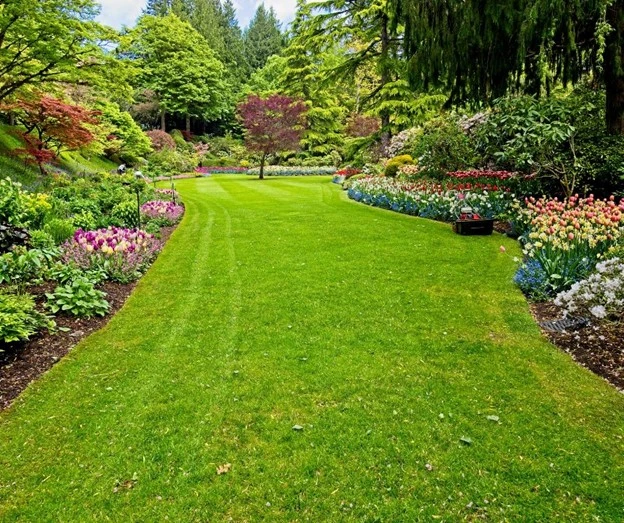
One of the easiest ways to improve spring landscaping is to shape your flower beds better. Straight lines can work, but soft, irregular curves often look more natural and interesting. A bed with a gentle curve can make a small yard feel larger and more welcoming.
You can mark the outline with a hose, rope, or garden spray paint before digging. Keep the shape smooth and easy to follow. If the bed sits against a lawn, make sure the edge is clean so grass does not creep into the planting area.
Good bed shape helps guide the eye. It also gives your yard a more finished look, even if you only add a few plants. This is one of the easiest landscaping ideas for beginners because it improves design without requiring major work.
Use simple edging
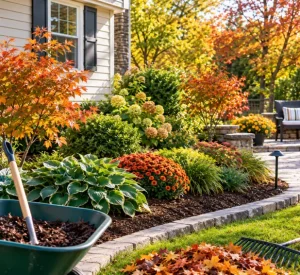
Edging gives your landscape a neat border and helps separate lawn from garden beds. Brick, rock, wood, and other materials can all work, but even a basic trench edge can look clean and polished. Good landscaping edging makes mowing easier and keeps mulch from spilling into the yard.
If you want a low-cost option, try a shallow trench edge or a simple metal border. If you want a more finished style, use stone or brick that matches the home. The best choice is the one that fits your budget, your yard style, and the amount of maintenance you want to handle.
Here are a few edging ideas:
- Brick edging for a classic look.
- Stone edging for a natural style.
- Metal edging for a clean modern line.
- Wood edging for a softer garden feel.
- Trench edging for a simple budget option.
Choose the right plants
The best landscaping plants are the ones that match your light, soil, and climate. It is smart to choose a mix of shrubs, perennials, and annuals so the yard has structure and color at different times. If you choose only one type of plant, the space can look flat or empty.
Think about how much sun each area gets. Full-sun beds need plants that can handle strong light, while shady areas do better with shade-tolerant plants. Also pay attention to mature size so plants do not crowd each other later.
Try to build your planting plan in layers:
- Tall plants in the back.
- Medium plants in the middle.
- Low plants along the edge.
That simple layout creates depth and makes the bed look fuller. It also helps the landscaping design feel balanced, even when you use only a few plant types.
Mix colors and textures
A strong spring design is not just about flowers. Leaves, shapes, and textures matter too. A yard with only one kind of plant can feel dull, while a mix of soft, bold, upright, and rounded forms creates more visual interest.
Use a simple color plan so the space looks calm and organized. For example, you might choose white, purple, and green for a soft look, or pink, yellow, and blue for a brighter spring feel. Avoid using too many colors at once, because that can make the design look busy.
You can also use texture to make small spaces feel richer. Pair fine leaves with broad leaves, or soft flowers with strong shrubs. This gives your yard more personality without adding clutter.
Add mulch the right way
Mulch is one of the easiest spring upgrades. It helps hold moisture, reduces weeds, and gives your beds a clean, finished look. A fresh layer of mulch also makes plants stand out better, which improves the overall design.
Use a layer that is thick enough to cover the soil, but do not pile it against plant stems or trunks. Keep mulch pulled back a few inches so air can move around the base of the plant. This helps reduce rot and other problems.
Mulch color matters too. Brown mulch feels warm and natural, while black mulch creates stronger contrast. Choose the look that matches your home and the rest of your landscaping ideas.
Keep the layout simple
Simple spring design works best when the layout is easy to understand. Do not overcrowd the yard with too many plants, hardscapes, or decorations. Instead, focus on a few strong features that work together.
A good layout may include:
- One focal point, like a tree, bench, or large shrub.
- One main bed shape that follows the yard naturally.
- Repeated plants for a neat, unified look.
- Clean edges to frame the space.
- Open space so the yard does not feel crowded.
This kind of plan is easier to maintain and usually looks better over time. It also saves money because you can build your landscaping design gradually instead of trying to finish everything at once.
Use focal points
Every yard looks better when the eye has one place to land. A focal point gives the design direction and prevents the space from feeling random. This could be a flowering shrub, a small tree, a garden sculpture, a birdbath, or a bench.
Keep the focal point simple and let the surrounding plants support it. If the centerpiece is bold, the rest of the bed should be calm and balanced. If the focal point is soft and natural, you can use slightly brighter plants around it.
Focal points work especially well near the front yard, entry path, or patio. They make the landscape feel planned instead of accidental in your landscaping design.
Think about maintenance
The best spring landscaping design is one you can care for. A yard may look beautiful in photos, but if it needs too much watering, trimming, or replanting, it will become stressful. Choose plants and layouts that fit the time you have.
Low-maintenance landscaping plants are often the smartest choice for busy homeowners. Native plants can be helpful because they are often easier to care for and better suited to local conditions. You can also make life easier by grouping plants with similar water needs together in your landscaping design.
A low-maintenance plan may include:
- Hardy shrubs.
- Easy-care perennials.
- Mulch to reduce weeds.
- Simple edging for clean lines.
- Fewer high-care annuals.
Add spring color
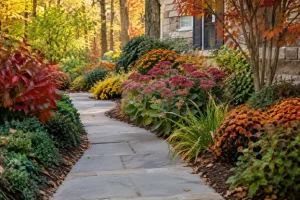
Spring color does not have to be loud to stand out. Soft pastels, bright blooms, and fresh green leaves can all work together. The goal is to make the yard feel alive without making it feel messy in your landscaping design.
You can add color in several ways:
- Flowering plants near walkways.
- Colorful annuals in the front of beds.
- Bright containers on porches or patios.
- Blooming shrubs near windows or entrances.
Try to repeat colors in more than one place. That creates harmony and makes the whole yard feel connected. One color repeated in a few spots can look more polished than many different colors used once.
Use containers and small accents
If your yard is small or you do not want to dig much, containers are a great choice. Pots can add color to patios, steps, porches, and corners that feel empty. They are also easy to move if you want to change the look later.
Keep accents simple. A small bench, a bird feeder, a lantern, or a few decorative stones can make the yard feel complete. Do not add too many extras, or the space may start to feel crowded. The best accents support the design instead of stealing attention from the plants.
Design for the front yard
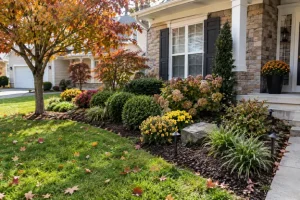
The front yard matters because it creates the first impression. A clean bed edge, neat mulch, and a few healthy plants can make the home look cared for right away. If you only have time to improve one area, the front yard is often the best place to start.
Use simple landscaping ideas that are easy to see from the street. Good choices include layered plants, a small ornamental tree, or a curved flower bed with clear landscaping edging. Keep the lines clean and the plants well spaced so the yard feels open and easy to read.
The front yard should look welcoming, not crowded. A few strong features often work better than many small ones.
Design for the backyard
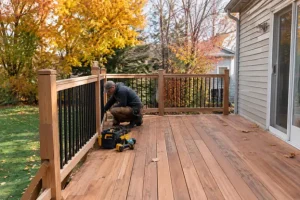
Backyards can be more relaxed than front yards. You can use larger planting beds, privacy shrubs, and simple sitting areas to make the space more useful. If you have a patio or deck, place plants near it to soften the hard edges.
A backyard design should match how you use the space. If you relax outside, add plants that feel calm and natural. If you entertain guests, use simple lines and easy-care plants so the area stays neat. If you want privacy, choose shrubs or small trees that can form a soft screen over time.
Avoid common mistakes
Simple spring design works best when you avoid a few common problems. One mistake is planting too many things in one bed. Another is using plants that need too much care for your schedule. A third is ignoring edge lines, which makes the whole yard look unfinished.
Other mistakes to avoid:
- Choosing plants without checking sun and shade.
- Mixing too many colors.
- Forgetting mature plant size.
- Letting mulch touch stems.
- Making beds too hard to mow around.
When you keep the design simple, you reduce these problems and make the yard easier to manage.
Easy spring design formula
If you want a quick plan, use this simple formula:
- Clean the yard.
- Shape the beds.
- Add landscaping edging.
- Plant shrubs, perennials, and annuals.
- Mulch the beds.
- Add one focal point.
- Keep the layout open and simple.
This method works well because it covers the main parts of good design without overcomplicating the project. It is a practical way to turn a plain yard into a better-looking spring space.
For homeowners searching for landscaping ideas, the best advice is to keep spring projects simple, neat, and easy to maintain. Focus on healthy landscaping plants, clean landscaping edging, and a design that fits your home and your schedule. Those three things can do more for curb appeal than a long list of expensive changes.
Spring landscaping is not about doing everything at once. It is about making smart choices that improve the yard step by step. A clean layout, the right plant mix, and a fresh border can help your landscape look brighter, calmer, and more inviting all season.
Ready to Refresh Your Landscaping Design This Spring?
Start your yard refresh this spring with a simple plan, choose the right plants, and give your beds a clean edge for a neat, polished finish.
Contact Hawkins Landscaping Inc. today to turn your spring landscaping ideas into a yard you’ll enjoy all season long.
With over 50 years of experience serving Frederick County and surrounding areas, Hawkins Landscaping Inc. specializes in seasonal plantings, flower bed design, mulch installation, edging, and complete landscape refreshes tailored to your home and budget.
Call (301) 898-3615 or visit hawkinslandscaping.com to schedule your consultation. Ask about flexible financing options and let’s bring your spring landscape to life!