Spring is the perfect time to wake up your yard with color, texture, and fresh ideas in landscaping design. When the weather warms and plants start to bloom, your flower beds can quickly become the star of your outdoor space. With the right landscaping plants and smart landscaping edging, you can make your yard look tidy, bright, and full of life.
Below are 10 spring flower bed landscaping design ideas to help you refresh your yard. Each idea is easy to understand and can be adapted to fit any size space, from a small front bed to a large backyard garden.
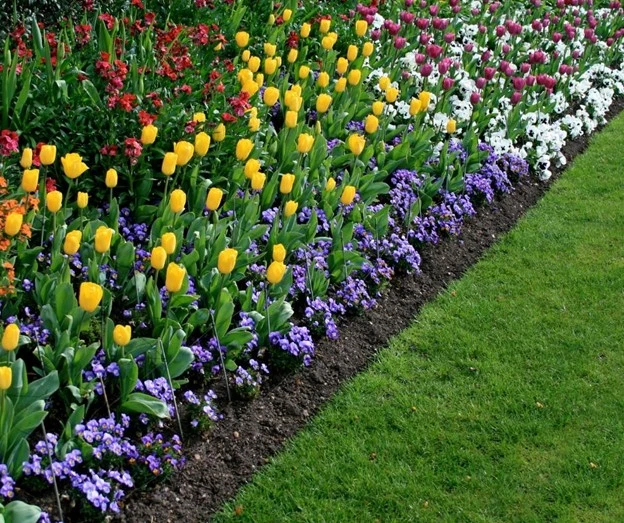
10 Spring Flower Bed Ideas for a Fresh Landscaping Design
A good landscaping design starts with simple flower bed ideas that bring color, structure, and balance to your yard. These tips make it easy to refresh your outdoor space using plants, layering, and clean edging.
1. Create a Simple Layered Flower Border
One of the easiest and most classic landscaping design ideas is a layered flower border. This design looks neat and full because taller plants are in the back, medium plants are in the middle, and short plants are in front.
How to do it:
- Place tall landscaping plants like hollyhocks, delphiniums, or tall ornamental grasses at the back of the bed.
- In the middle, add medium‑height plants such as daisies, coneflowers, or daylilies.
- At the front edge, plant low‑growing flowers like pansies, alyssum, or creeping phlox.
Use simple, clean landscaping edging along the front to keep soil and mulch in place and to separate the bed from the lawn or path. This makes your flower bed look finished and easy to maintain.
2. Use Color Themes for a Cohesive Look
Instead of mixing every color, pick one main color theme for each flower bed. This can make your yard look more polished and professional, even with simple plants.
Color theme ideas:
- Soft pastels: pale pink, lavender, light yellow, and white for a calm, romantic look.
- Bold and bright: red, orange, yellow, and hot pink for lots of energy and curb appeal.
- Cool shades: blues, purples, and whites for a relaxing, modern feel.
Choose landscaping plants that bloom in your chosen colors and repeat them throughout the bed. Add matching or neutral landscaping edging, such as gray stone or black metal, to frame the color theme without distracting from the flowers.
3. Add Curved Flower Beds for a Natural Flow
Straight lines can look formal and stiff. Curved flower beds add movement and a softer look to your yard. A gentle curve around your lawn, walkway, or patio can make your space feel more inviting.
To create a curved design:
- Mark your curve with a garden hose or rope first.
- Step back and adjust the shape until it feels natural and balanced.
- Use flexible landscaping edging to follow the curves (rubber, metal, or stone pieces work well).
- Fill the bed with a mix of perennials and annuals for long‑lasting color.
Curved beds work especially well when you surround them with lush landscaping plants, such as ornamental grasses, hostas, and spring bulbs. The curves help your eyes move smoothly through the yard.
4. Mix Perennials and Annuals for Long‑Lasting Color
If you want flower beds that look full and colorful all season, combine perennials (plants that come back every year) with annuals (plants that bloom for one season).
How to plan the mix:
- Use perennials as the “backbone” of your bed, such as coneflowers, black‑eyed Susans, hostas, and irises.
- Fill gaps with annuals like petunias, marigolds, and begonias for bright, instant color.
- Plant bulbs like tulips and daffodils for an early‑spring show, then add later‑blooming plants around them.
This combination keeps your flower beds interesting from early spring to late fall. Add clear landscaping edging, like stone or brick, to keep soil and mulch in place as you swap out annuals each year.
5. Use Landscaping Edging to Define and Protect Your Beds
Good landscaping edging does more than just look nice. It helps:
- Keep grass from growing into your flower beds.
- Hold mulch and soil in place.
- Give your flower beds a clean, finished line.
Popular edging options:
- Natural stone: timeless, sturdy, and great for rustic landscaping ideas.
- Brick or pavers: clean lines, classic style, and many color choices.
- Metal edging: thin, flexible, and perfect for curves.
- Rubber or plastic: budget‑friendly and easy to install.
Install edging so it is slightly above the soil but low enough that you can still mow or trim next to it. The right landscaping edging will make your landscaping plants stand out and reduce how much time you spend on weeding and clean‑up.
6. Create a Focal Point in Each Flower Bed
A focal point is one main feature that draws the eye. It gives your bed a sense of purpose and makes the design feel intentional.
Focal point ideas:
- A flowering shrub like hydrangea, lilac, or rose bush.
- A small tree such as a Japanese maple or dwarf flowering crabapple.
- A decorative item like a birdbath, garden statue, or large colorful pot.
- A bold clump of standout landscaping plants, such as bright tulips or tall alliums.
Place your focal point slightly off‑center in the bed (not right in the middle) for a more natural look. Arrange smaller plants around it, stepping down in height as you move away. Use edging to gently frame the area and make the focal point feel anchored.
7. Add Texture with Foliage, Not Just Flowers
Flowers are beautiful, but foliage (leaves) adds texture and interest even when nothing is blooming. A mix of leaf shapes and colors keeps your landscaping design attractive from spring through fall.
Texture ideas:
- Combine big, bold leaves (hostas, elephant ears) with fine, narrow leaves (grasses, ferns).
- Use plants with silver, blue‑green, or variegated (multi-colored) leaves, such as lamb’s ear or variegated euonymus.
- Mix upright plants with low, spreading groundcovers to create layers.
When you rely on both flowers and foliage, your beds look rich and full, even between bloom times. Clean landscaping edging helps highlight these textures and prevents the garden from looking messy.
8. Design Low‑Maintenance Spring Beds with Mulch
If you want beautiful flower beds without hours of weeding, mulch is your best friend. Mulch also ties your landscaping ideas together and gives your yard a neat, finished look.
Benefits of mulch:
- Helps hold moisture in the soil.
- Suppresses weeds.
- Protects plant roots from temperature changes.
- Adds a uniform background that makes your plants stand out.
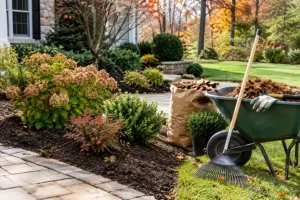
Spread a 2–3 inch layer of shredded bark, wood chips, or other organic mulch around your landscaping plants, but keep it a few inches away from stems and trunks. Install solid landscaping edging first so the mulch stays in place and does not spill into your grass or paths.
9. Use Raised Flower Beds for Better Drainage and Style
Raised beds are a great option if your soil is poor, your yard is sloped, or you want a more structured look. They can also make gardening easier on your back and knees.
Raised bed advantages:
- You can control the soil mix and improve drainage.
- Edging and walls are built in, so the bed always looks neat.
- The higher level shows off your landscaping plants and flowers.
- They can double as seating if built at the right height.
Build raised beds with stone, brick, wood, or composite materials. Fill them with rich soil and plant a mix of spring bulbs, perennials, and annuals. The walls act as strong landscaping edging, clearly defining the bed and giving your yard a clean, layered look.
10. Light Up Your Flower Beds for Evening Enjoyment
Spring evenings are perfect for sitting outside. With simple lighting, your flower beds can look just as beautiful at night as they do during the day.
Lighting ideas:
- Low‑voltage or solar path lights along your landscaping edging.
- Spotlights aimed at a focal point tree, shrub, or garden art.
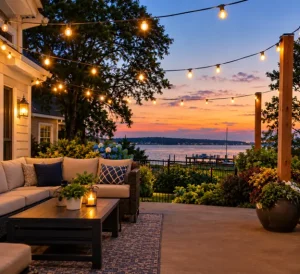
- String lights along a fence, pergola, or trellis near the beds.
- Small lights hidden among the landscaping plants softly glow through foliage.
Lighting not only shows off your landscaping ideas but also makes your yard safer and more welcoming for guests. When lights edge your beds, they draw attention to your clean lines, healthy plants, and thoughtful design.
Simple Tips to Make Your Spring Flower Beds Last
To keep your spring landscaping design looking fresh all season:
- Water deeply and less often, rather than quick, shallow watering.
- Deadhead (remove spent flowers) so many plants keep blooming.
- Check your landscaping edging every few weeks and reset any pieces that move.
- Add new mulch if it thins or fades.
- Replace any weak or dead plants quickly so gaps do not appear.
Small, regular care keeps your flower beds looking full and vibrant. When your landscaping plants are healthy and your edges are neat, your whole yard looks more polished.
A Fresh Landscaping Design to Transform Your Yard
Spring is the best time to bring new life to your yard with bright flowers, fresh landscaping ideas, and clean, strong landscaping edging. Whether you want a simple front flower bed or a full backyard makeover, the right mix of landscaping plants and design will completely change how your home looks and feels.
If you’re ready to:
- Plan beautiful spring flower beds that fit your home and lifestyle
- Choose the best landscaping plants for color, texture, and low maintenance
- Install lasting landscaping edging that keeps everything neat and easy to care for
…then now is the perfect moment to get started.
Contact Hawkins Landscaping Inc. today to schedule your spring landscaping design consultation and let our experts create fresh, colorful flower beds that make your yard the highlight of the neighborhood this season.
With over 50 years of experience serving Frederick County and surrounding areas, Hawkins Landscaping Inc. specializes in custom landscape design, seasonal plantings, mulch installation, edging, and complete outdoor transformations that enhance curb appeal and long-term property value.
Call (301) 898-3615 or visit hawkinslandscaping.com to get started. Ask about our flexible financing options, and let’s design a vibrant spring landscape you’ll enjoy all season long.