A well-designed walkway does more than move you from one place to another. It guides guests, frames your plants, and makes your yard feel finished and welcoming. With the right paving walkways ideas, you can turn a plain path into a real feature. By choosing smart walkways pavers and simple designs, you can improve your outdoor space even if you are working on walkways on a budget.
Walkways can also boost your home’s curb appeal and overall value. A clean, well-laid path instantly makes your property look more organized and professionally designed. Even simple upgrades—like adding edging, lighting, or a slight curve—can make a big difference without requiring a large budget.
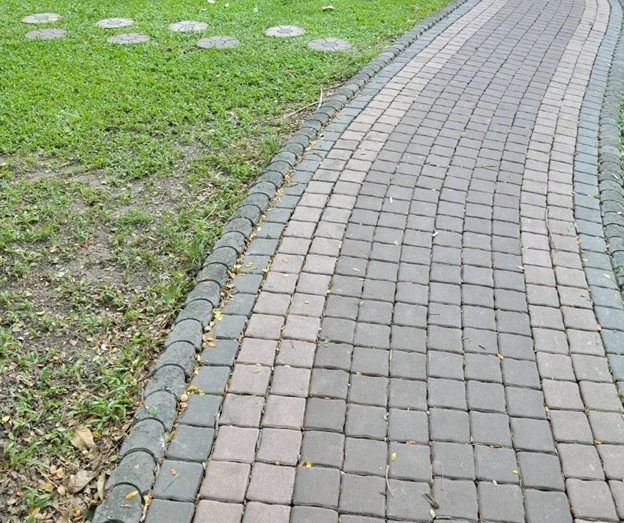
Paving Walkways Ideas for Every Home and Budget
Below are 10 practical ideas to help you choose the right paving walkways for your home and landscape.
1. Classic Straight Paver Walkway to the Front Door
A straight paver walkway is one of the most common and reliable walkways ideas. It fits almost any house style and instantly makes the front of your home look more organized. Because the line is direct, guests always know exactly where to walk, which helps protect your grass and garden beds. This type of path works well with concrete walkways pavers, brick pavers, or even simple rectangular stones.
To get a clean look, keep the path the same width from start to finish, usually around three to four feet. This gives enough space for two people to walk side by side without bumping into each other. You can choose one main paver color and lay the pavers in a simple pattern like straight rows. If you want a more finished edge, you can use a darker paver along each side to frame the path. This design looks neat without feeling too fancy, and it is easy to plan before starting paving walkways projects.
A straight paver walkway can fit many budgets. Concrete pavers are usually the most affordable choice and come in different colors and textures. You can save money by doing the digging and base preparation yourself and then hiring a professional only for the final paver laying if you feel unsure. This lets you enjoy a professional finish while still keeping the project close to walkways on a budget.
2. Gentle Curved Walkway for a Softer Look
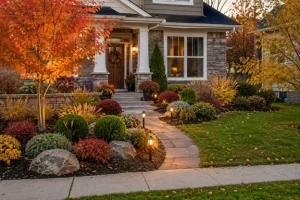
If a straight line feels too stiff or formal, a curved walkway can give your yard a softer, more relaxed feeling. Gentle curves slow people down as they walk, which makes them more likely to notice your plants, trees, and other landscape features. Curved paths are a good solution when you need to work around existing trees, shrubs, or slopes. They are also one of the most flexible walkways ideas because you can adjust the curve to fit almost any space.
When planning a curved walkway, try to keep the bends smooth and wide rather than tight and sharp. This is easier to walk on and easier to build with walkways pavers. You can mark out the shape with a garden hose or rope on the ground and adjust the curve until it feels natural. Once you like the layout, you can dig along that line and begin building your base. Curved edging or flexible metal edging can help hold pavers or gravel in place without breaking the flow of the shape.
Costs for curved paths can be a little higher than for straight ones because you often need more material. To control your budget, you might choose simple concrete pavers instead of natural stone or brick. Another option is to use a mix of pavers and gravel so that only key parts of the path are fully paved. This keeps the graceful look of the curve while staying close to walkways on a budget.
3. Stepping‑Stone Walkway Set in Grass
Stepping‑stone walkways are simple, charming, and easy on the wallet. Instead of building a solid paved surface, you place individual stones or pavers along the path where people will actually step. This is one of the easiest paving walkways ideas for do-it-yourself homeowners and works very well in side yards, paths to sheds, or informal garden areas.
To make this type of walkway, choose large, flat stones or big concrete pavers so each step feels steady and comfortable. Place them on the ground and walk the path a few times to see if the spacing feels natural. Most people are comfortable with stones about 18 to 24 inches apart, which matches a normal walking stride. Once you like the layout, dig each stone into the soil so that the surface of the stone sits level with the top of the grass. This makes mowing and walking easier and prevents people from tripping.
From a budget standpoint, stepping‑stone walkways use less material than full paver paths, which helps if you need walkways on a budget. You can buy ready‑made concrete stepping stones from a home center or even pour your own simple concrete pads using molds. Because you are not paving the full path, you can still get a nice visual effect without a large expense.
4. Gravel Walkway with Paver or Brick Edging
A gravel walkway framed by paver or brick borders is a strong choice when you want a nice look without paying for full stone coverage. Gravel is usually inexpensive, drains well after rain, and has a relaxed, cottage‑style feel. With the right edging, it can look just as intentional and polished as more expensive walkways ideas.
To build this type of path, you dig the walkway area a few inches deep, lay down a layer of landscape fabric to help block weeds, and then add compacted gravel on top. The edging is important because it keeps the gravel from spreading into your lawn or beds over time. You can use simple concrete walkways pavers, bricks set end‑to‑end, or metal edging to create a clean border. Choose a small gravel, like pea gravel or crushed stone, so walking feels comfortable and stable.
This design is very friendly to walkways on a budget. Gravel usually costs less than pavers or natural stone, especially over long distances. You can choose basic edging materials and still get a neat, finished look. If you want to upgrade later, you can always replace part of the gravel path with solid pavers in the areas you use most.
5. Mixed‑Material Walkway with Pavers, Gravel, and Groundcover
Mixed‑material paths are great when you want something unique and stylish but still care about cost. Instead of paving the entire walkway, you combine different materials such as pavers, gravel, and low‑growing plants. This lets you use fewer walkways pavers while still creating a strong and attractive path.
A common approach is to place square or rectangular pavers in a pattern—either in straight rows or staggered like bricks—and fill the spaces between with gravel, mulch, or groundcover plants. The pavers give you solid places to step, while the fill material adds color and texture. Low plants like creeping thyme, Irish moss, or other tough groundcovers can spread between the stones and create a lush, garden‑style feel. This is one of the most creative paving walkways ideas for people who enjoy gardening.
In terms of cost, mixed‑material paths can be very friendly to walkways on a budget because you are not buying enough pavers to cover the full area. Groundcovers cost some money at first but can fill in over time and reduce the need for mulch. Gravel between pavers is also inexpensive and easy to refresh when needed.
6. Brick Paver Walkway in a Herringbone Pattern
If you want a classic look that adds charm and character, a brick paver walkway laid in a herringbone pattern is a strong option. Brick has a warm, traditional appearance that suits many older homes and can also give newer houses a sense of history. The herringbone pattern, where bricks are placed at angles to form a repeating “V” shape, is not only attractive but also very strong under foot traffic.
To build this kind of walkway, you should use brick pavers rated for outdoor use rather than thin interior bricks. A straight, solid border along each side helps lock the pattern in and gives the path a clean edge. Many homeowners like to use a “soldier course” border, where bricks are set upright end‑to‑end along the edges. This can be the same color as the main field or a slightly darker shade for contrast.
Brick paver walkways can be more expensive than paths made from basic concrete walkways pavers. However, you can still manage costs by using this design only in high‑impact areas, such as the main front walkway, and choosing a simpler material in less visible spots. For walkways on a budget, you can also use concrete pavers that look like brick, which are often cheaper but give a similar style.
7. Wide Garden Walkway with Planting Beds
A wide garden walkway can make your yard feel like an outdoor room. Instead of a narrow path that people hurry down, a wider walkway invites visitors to slow down, look around, and enjoy your plants. This idea works especially well when you have planting beds on both sides, turning the path into a central feature rather than just a route.
For this type of design, you might aim for a path around four to six feet wide. This gives enough space for two people to walk side by side comfortably, and even for someone to stop and admire a plant without blocking the way. Neutral walkways pavers in shades of gray, tan, or soft brown work well here because they allow the colors of your flowers and foliage to stand out. A gentle curve can make the walk more interesting and help you show off different parts of the garden as people move along.
Because this style uses more surface area, it can be more costly than a narrow path. To keep it closer to walkways on a budget, you can use simple concrete pavers or a combination of gravel with paver “pads” in the places where people step most. This lets you enjoy the wide, open feel without paying for full premium paving across the whole width.
8. Modern Large‑Format Paver Walkway
If you prefer a clean, modern look, large‑format pavers are a great choice. These are big concrete or stone slabs, often 24 inches or more on each side, that create a bold and simple pattern. Fewer joints and large smooth surfaces give a sleek, high‑end feel that pairs well with simple plantings and modern outdoor furniture.
A modern paver walkway often uses straight lines and simple shapes. The pavers might be laid tight together for a solid surface or spaced with even gaps filled with fine gravel or small stones. Cool gray, charcoal, or off‑white walkways pavers fit this style well, especially when combined with dark mulch, ornamental grasses, and low, subtle lighting. The overall effect is calm and uncluttered.
Large pavers can be more expensive per piece and heavier to handle. To keep some control over budget, you can use these big pavers as stepping pads in a field of gravel instead of fully paving the entire path. This still gives you the modern look you want while keeping total material and labor costs closer to walkways on a budget.
9. Rustic Flagstone Walkway for a Natural Look
Flagstone is a popular choice if you love a natural, rustic style. Each piece of flagstone has its own shape and color, so no two paths look exactly the same. This type of walkway blends well into gardens, wooded areas, and yards with lots of natural features. It is one of the most charming walkways ideas for people who want their landscape to feel relaxed and organic.
When building a flagstone path, it is important to use stones that are thick and strong enough for foot traffic. The stones are usually set on a compacted base of gravel and sand so they stay stable. Because the edges are irregular, you fit them together like a puzzle, adjusting pieces until the gaps are small and comfortable to walk over. Those gaps can be filled with sand, fine gravel, or low‑growing plants that can tolerate some foot traffic.
Natural stone is often more expensive than concrete or brick walkways pavers. If you are trying to stick to walkways on a budget, you can limit flagstone to a short section near a seating area, water feature, or garden gate where it will have the most visual impact. In other parts of the yard, you can use gravel or simple pavers and still keep a consistent style.
10. Lighted Walkway with Simple Pavers
Lighting can turn even basic paving walkways into a standout feature, especially in the evening. A lighted path is easier and safer to use at night and can show off the texture and color of your walkways pavers. This is one of the smartest walkways ideas because it improves both beauty and safety.
You do not need a complex system to add lights. Many homeowners choose simple low‑voltage or solar path lights placed along one or both sides of the walkway. Lights should be spaced evenly and aimed down toward the ground so they light the path without shining directly into people’s eyes. Matching the style and color of the lights to your home and walkway helps everything feel connected.
From a budget point of view, solar lights are a great option for walkways on a budget because they do not require wiring or an electrician. You can start with a few lights near steps, curves, or changes in level and add more later if you want. Combined with simple concrete walkways pavers, this can give you a polished, welcoming path without a huge cost.
Simple Tips to Make Any Walkway Last
No matter which walkway style you choose, good preparation will help your paving walkways project last longer and look better. A solid base is the most important part. Dig deep enough to add a compacted layer of gravel under your walkways pavers or stones. This keeps them from sinking or moving over time. Skipping this step might save a little time now, but it often leads to repairs later.
You should also think about drainage. A walkway should have a slight slope so water runs off instead of sitting on the surface or flowing toward your house. Materials like gravel, permeable pavers, and gaps between stones help water soak into the ground. In very low or wet spots, you may want to add features like a small dry creek or French drain next to the path to guide water away.
Finally, match your materials to the amount of maintenance you want to do. Concrete walkways pavers and gravel are usually easy to care for. Flagstone and planted joints may need more attention, such as weeding between stones or trimming plants. Edging, whether it is pavers, metal, or plastic, can keep grass and soil from creeping onto your path and reduce the time you spend cleaning it up.
How to Pick the Right Walkway for Your Home
Choosing among these walkways ideas comes down to your budget, your style, and how you use your yard. If money is tight, options like gravel paths, stepping stones, or mixed pavers and gravel will stretch your dollars. Concrete walkways pavers in simple patterns are a good middle‑ground choice that still looks clean and finished. If you have more to spend, brick, flagstone, and large‑format pavers with lights and detailed borders can create a truly custom look.
Think about how formal or casual you want the space to feel. Straight lines, brick, and strong borders give a formal, classic look. Curves, gravel, and plants spilling over the edges feel more natural and relaxed. Also consider how much traffic the path will get. Main entries and routes between the house and patio usually need strong, solid surfaces. Side yards and garden paths can be more flexible since they see less use.
In the end, the best paving walkways solution is one that fits your home, your routine, and your budget. When you keep these points in mind, it becomes much easier to choose the right combination of walkways pavers, layout, and style.
Ready to Transform Your Home with Paving Walkways?
If these walkways ideas have you picturing a better front entry, garden path, or side yard, this is the perfect time to take the next step. You do not have to figure out every detail alone. A local hardscaping professional can walk your property, talk through your goals, and suggest designs that match your taste and budget.
Whether you want modern, clean walkway pavers, a rustic stone path, or paving walkways on a budget that still look neat and welcoming, expert help can save you time and costly mistakes.
At Hawkins Landscaping Inc., we design and install custom walkways that balance style, durability, and affordability—tailored to your home and outdoor space. With over 50 years of experience serving Frederick County and surrounding areas, our team delivers high-quality craftsmanship and practical solutions that last.
Reach out today to schedule your visit and receive a clear, written plan and estimate. Call (301) 898-3615 or visit hawkinslandscaping.com to get started. Ask about our flexible financing options and turn your basic path into a feature you’ll love to use and show off—enjoy a better outdoor space with every step.