Retaining walls do more than just hold back soil; they shape the land, prevent erosion, and add timeless beauty to outdoor spaces. Whether you’re dealing with sloping ground, drainage issues, or looking to enhance your property’s design, hardscapes construction can transform a once‑problematic yard into a stunning and functional landscape.
In this guide, we’ll explore how retaining walls merge practicality with elegance. You’ll learn how hardscapes and masonry techniques protect your property, what materials work best, the steps behind professional wall construction, and how everything—from drainage to lawn care—ties together to create a landscape that lasts for decades.

The Role of Hardscapes Construction in Landscape Stability
Every landscape has its natural rise and fall. Over time, rain, gravity, and poor drainage can cause soil to shift downhill—a process known as erosion. That’s where retaining walls come in. Through thoughtful hardscapes construction, they act like armor for your property by keeping soil in place while shaping your outdoor environment into usable, attractive levels.
A retaining wall can:
- Prevent soil loss and slope problems.
- Create flat spaces for gardens, patios, and lawns.
- Improve water drainage across your property.
- Boost curb appeal with clean, structured design lines.
- Add resale value to a home through long‑lasting beauty.
A Blend of Function and Design
In modern landscapes, retaining walls are not just practical structures. Through strategic hardscapes construction, they can become focal points that define outdoor living spaces. Think of multi‑tier garden walls, seating walls near patios, or stone terraces lined with beautiful plants. The right design enhances both the visual appeal and the ecological balance of your property.
Understanding Hardscapes Construction
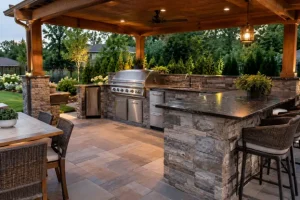
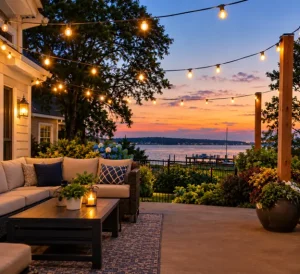
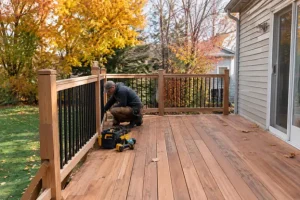
Hardscapes refer to the non‑living elements of your landscape design—things like patios, walkways, fire pits, driveways, and of course, retaining walls. Together with softscapes (grass, trees, shrubs, and flowers), they complete your yard’s overall look and feel.
Hardscapes construction involves building and installing these structural features using durable materials like stone, concrete, brick, and pavers. It requires a careful balance between design, engineering, and craftsmanship.
Why Hardscapes Matter
Without solid hardscapes, your landscape lacks shape and stability. Imagine a hillside garden without proper retaining walls or paths—erosion would eventually wash the soil away. Hardscapes provide the backbone that supports both the land and your lawn care efforts.
When done correctly, they create outdoor spaces that are strong enough to handle the forces of nature while enhancing everyday enjoyment. In other words, hardscapes construction is the foundation of outdoor beauty that lasts.
Common Causes of Erosion
Before we dive into the details of retaining wall design, it’s important to understand what causes erosion. That knowledge helps explain why a wall may be necessary in the first place.
- Water runoff: Heavy rainfall or poor drainage can cause soil to loosen and wash away.
- Steep slopes: Uneven ground naturally creates pressure on lower levels, pushing soil downhill.
- Improper grading: Lawns and gardens that aren’t graded properly allow puddles or erosion lines to form.
- Lack of vegetation: Grass roots and plants hold soil together; areas without them erode faster.
- Heavy foot traffic: Frequent walking or equipment on bare soil disturbs its structure.
Once erosion takes hold, it can harm plants, create muddy patches, or even cause property damage. That makes retaining walls an essential tool for stabilizing your yard—especially when paired with smart lawn care and proper drainage.
Planning a Retaining Wall Project
Building a retaining wall is not just about stacking blocks—it’s about designing a structure that handles pressure from soil, water, and gravity. A successful hardscapes construction project begins with careful planning.
Step 1: Assess the Site
Start by evaluating the terrain. Identify problem areas such as hillside erosion, uneven lawns, or spots where water collects. A landscape professional or hardscapes and masonry contractor can help measure slope grade and soil conditions.
Step 2: Choose the Right Location
Placement matters. Walls should be located where they’ll best control erosion and create practical space for future use—like new patios, garden beds, or walkways.
Step 3: Decide on Height and Purpose
Is the goal purely decorative, or does the wall need to hold back large volumes of earth? For smaller garden walls under 3 feet, DIY installation may be possible. For taller or load‑bearing structures, professional engineering is essential to ensure safety and stability.
Step 4: Select the Right Materials
The look, durability, and cost of your retaining wall depend on the material you choose—let’s explore that next.
Choosing Materials: The Art of Hardscapes and Masonry
Hardscapes construction offers a wide range of material options, from natural stone to modern concrete systems. Each brings a unique blend of texture, color, and strength.
1. Natural Stone
Timeless and natural, stone gives retaining walls a classic, elegant appearance. Types like granite, limestone, and fieldstone blend beautifully with natural landscapes. They’re long‑lasting but typically more expensive to install.
2. Concrete Blocks
Concrete retaining wall blocks are engineered for strength and consistency. They’re available in many colors and patterns, making them a versatile choice for modern landscapes. Plus, they lock together for easier installation and superior stability.
3. Brick
Brick walls provide a warm, rustic style suitable for traditional homes. While not ideal for very tall walls, brick adds charm to low garden edges and flower bed borders.
4. Poured Concrete
For a sleek and modern look, poured concrete walls are hard to beat. They can be molded into custom shapes and textures but require precise installation by skilled hardscapes and masonry professionals.
5. Timber
Wood can also be used for small retaining walls or natural garden edges. Pressure‑treated lumber provides a cost‑effective and rustic solution, though it requires more maintenance than masonry options.
Each material type influences the mood of your landscape. The best choice balances appearance, budget, and durability to meet the unique demands of your property.
The Construction Process: Building Strength from the Ground Up
Let’s look at what goes into constructing a solid retaining wall that stands the test of time.
Step 1: Excavation and Base Preparation
Every retaining wall starts with a stable foundation. The builder removes loose soil and digs a trench below the frost line to prevent future shifting. A solid base layer—usually crushed gravel—is compacted to provide a level and sturdy foundation.
Step 2: Installing the First Course
The first course (or layer) of blocks or stones is the most critical. Builders lay it perfectly level using string lines and rigid compacting. Any unevenness at this stage can affect the entire wall.
Step 3: Building Up the Wall
Once the base is secure, the remaining courses are stacked with care. Depending on the design, blocks may be staggered or interlocked for added strength. Each row is checked for alignment and structural stability.
Step 4: Drainage Installation
Drainage is an essential part of every retaining wall. Without proper water control, pressure can build up behind the wall and cause failure. Builders often include:
- Gravel backfill for water movement.
- Drain pipes to redirect runoff.
- Filter fabric to separate soil from gravel.
Step 5: Finishing Touches
After the main structure is built, capstones or top blocks are added for a polished, professional finish. The wall is then backfilled, compacted, and often landscaped with plants or decorative stone for added appeal.
Integrating Retaining Walls into Landscapes
Now comes the fun part—turning your retaining wall into an integral piece of your outdoor design.
Layered Garden Beds
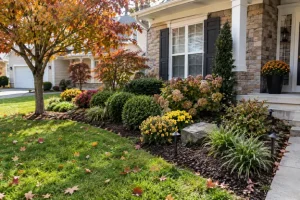
Retaining walls can create multiple garden terraces, preventing soil loss while giving you tiered planting areas for flowers, shrubs, and decorative trees. You can even design each level with a different plant palette for visual contrast.
Seating Walls
Low retaining walls near patios can double as seating areas. Paired with outdoor lighting and comfortable cushions, they turn an ordinary yard into a cozy entertainment space.
Water Features
Some hardscapes and masonry experts design retaining walls with built‑in waterfalls or fountains. These features add soothing sound, movement, and elegance to your lawn and garden.
Steps and Pathways
Retaining walls often connect with stone steps or walkways, making it easier to move between levels in your landscape. Combining these elements creates a flow that feels natural and inviting.
Avoiding Common Mistakes in Wall Construction
Even a well‑designed project can fail if basic building principles are ignored. Watch out for these pitfalls:
- Skipping drainage: Poor water management is the number one reason retaining walls fail.
- Using the wrong materials: Choose blocks or stones appropriate for the wall’s height and purpose.
- Ignoring compaction: Loose soil beneath or behind the wall leads to shifting and cracks.
- No setbacks: Vertical walls may lean over time; slight setbacks improve stability.
- DIY without research: While small garden walls may be DIY‑friendly, large retaining walls require professional design and permits.
For complex projects, a professional hardscapes and masonry team can design and install the wall properly, saving you time and future repair costs.
The Long-Term Maintenance Plan
Once your wall is in place, a simple maintenance plan helps preserve its strength and beauty for decades.
- Inspect annually: Check for cracks, bulging, or leaning stones. Early fixes prevent major damage.
- Clean periodically: Remove debris, moss, and weeds between stones.
- Ensure drainage works: Keep weep holes and drains clear of soil or roots.
- Re‑edge nearby plants: Prevent roots from disturbing the structure’s base.
- Seal masonry surfaces: For stone or concrete walls, applying a waterproof sealant offers extra protection.
With minimal upkeep, well‑built hardscapes can easily last 50 to 100 years.
Eco-Friendly and Modern Trends in Hardscape Design
Today’s property owners increasingly look for sustainable and creative approaches to outdoor building. Retaining walls are no exception.
Permeable Retaining Systems
Modern designs allow water to pass through small gaps, reducing runoff and improving groundwater recharge. These eco-conscious walls also relieve hydrostatic pressure naturally.
Recycled and Local Materials
Using locally sourced stone or recycled pavers supports sustainability while lowering transport costs.
Green Retaining Walls
Living walls combine structure with vegetation. Creeping plants and vines grow directly on or around the retaining wall, softening its appearance while reducing heat reflection.
Smart Lighting
LED landscape lighting integrated into retaining walls adds safety, warmth, and nighttime appeal—all while consuming minimal energy.
By combining new technologies with timeless hardscapes construction methods, you can achieve both beauty and environmental balance in your outdoor space.
Why Professional Installation Matters
While smaller garden walls can be weekend DIY projects, larger retaining walls demand professional expertise. Here’s why experienced contractors make a difference:
- Engineering knowledge: Professionals calculate soil load, pressure angles, and drainage plans.
- Equipment and tools: Excavation, leveling, and compaction require specialized machinery.
- Permitting: Many municipalities require engineering approval or permits for walls over a certain height.
- Longevity: A well‑built professional wall will last decades without shifting or collapsing.
Hiring a licensed hardscapes and masonry contractor ensures your investment adds safety, value, and charm to your home.
Hardscapes Construction: From Erosion to Elegance
Erosion control doesn’t have to come at the cost of beauty. Through thoughtful hardscapes construction, you can transform sloped, uneven, or eroding ground into stunning terraces, gardens, and entertainment areas. Retaining walls are the perfect example of combining strength with artistry.
When properly designed, they prevent erosion, enhance lawn care, and give your yard structure and style. From rustic stone to sleek modern concrete, the options are nearly endless. What’s most important is the craftsmanship behind each block, ensuring the wall complements your landscape for years to come.
Whether you’re a homeowner dreaming of a more elegant backyard or a property manager tackling severe erosion, now is the perfect time to invest in a lasting, beautiful solution.
Transform Your Landscape Today
Ready to take your property from erosion to elegance? Protect your landscape and elevate your curb appeal with expertly designed retaining walls built to last.
Hawkins Landscaping Inc., proudly serving Frederick County and surrounding areas for over 50 years, specializes in professional hardscapes construction and masonry services. Their experienced team designs and builds durable, eye-catching retaining walls that control erosion, support proper drainage, and enhance the overall beauty and value of your property. Every project is tailored to your yard’s layout, soil conditions, and style goals—combining strength, function, and visual appeal.
Flexible financing options are available to help make your project more accessible.
Call (301) 898-3615 or visit hawkinslandscaping.com to schedule your retaining wall consultation and estimate today.
Don’t wait for erosion to cause costly damage—reshape your yard into a stunning, secure outdoor oasis with Hawkins Landscaping Inc., your trusted local hardscaping and masonry experts.