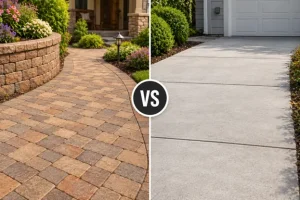
Creating a comfortable outdoor space makes your home more enjoyable and adds real value to your property. But when you start designing, a common question comes up: patio vs porch—which should you build?
Both offer spaces to relax, entertain, and enjoy nature—but the right choice depends heavily on your climate. How much sun, rain, wind, or humidity reaches your area plays a big role in how well your outdoor space lasts and how often you’ll use it.
In this article, we’ll break down everything you need to know about patios vs porches, how local weather affects each, and which is best for your home. You’ll also find simple design tips, furniture durability advice, and a CTA that helps you connect with a trusted patio near me contractor to get started.
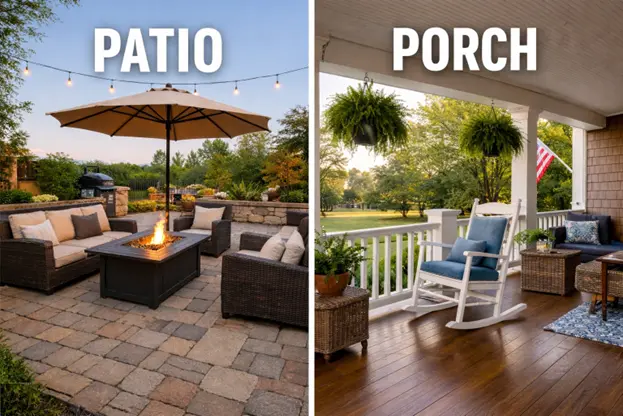
Patio vs Porch: Key Differences You Should Know
Before choosing, it helps to understand what sets these two spaces apart.
- Patio: A patio is an outdoor living area built directly on the ground, often with materials like concrete, brick, pavers, or stone. Patios can be open to the sky or covered with a pergola or partial roof. They are versatile and ideal for backyards because they easily blend into gardens, lawns, and pools.
- Porch: A porch, on the other hand, is typically attached to the front or side of a home and is covered by a roof. Many porches are elevated, with wood or composite flooring, and surrounded by railings or screens. They serve as a transitional space between indoors and outdoors.
In short:
A patio gives you an open-air feel — perfect for sunny relaxation.
A porch provides shade and shelter — better for variable weather.
When you weigh patio vs porch, your climate determines which offers the most comfort and durability.
How Mid-Atlantic States Climate Affects Your Decision
The Mid-Atlantic’s hot, humid summers can cause wood porches to warp, while patios handle heat better with less maintenance. Cold winters bring snow and ice, making covered porches more usable, while patios need durable, frost-resistant materials. With rainy spring and fall seasons, moisture protection is key—patios with good drainage often perform better than wood structures.
Because of these year-round climate shifts, choosing the right materials and design features is essential for long-term performance. Homeowners should consider weather-resistant finishes, proper sealing, and professional installation to extend the life of both patios and porches. Investing in climate-appropriate solutions not only reduces maintenance but also ensures your outdoor space stays functional and attractive in every season.
Comparing Maintenance Needs
When deciding on a patio vs porch, consider long-term care. Different climates mean different upkeep levels.
Patio Maintenance
- Materials: Concrete and pavers resist weathering but may crack with temperature changes.
- Cleaning: A simple pressure wash removes dirt and mildew.
- Sealing: Stone or concrete should be resealed every few years to protect from moisture and salt.
- Furniture: Choose waterproof, rust-resistant materials.
Porch Maintenance
- Materials: Wood porches need staining or painting to resist moisture. Composite decking offers a lower-maintenance alternative.
- Roof Care: Gutters and shingles must stay clear to avoid leaks.
- Screens & Rails: Replace or clean as needed.
- Pests: Termite protection may be needed in humid climates.
Overall, patios tend to require less ongoing maintenance, but porches provide better weather protection.
Comfort and Usability Through the Seasons
Your local climate not only affects durability—it determines how much you’ll actually use the space.
Patios
- Great for open-air lounging in warm or dry weather.
- Best enjoyed spring through fall.
- You can add outdoor heaters or a fire pit to extend use into cooler months.
Porches
- Allows shade in hot months and protection in rain or snow.
- Enclosing a porch with screens or windows offers year-round access.
- Great for quiet evenings or sheltered gatherings.
Tip: If budget allows, combine both — a front porch for relaxing and a patio for backyard entertaining. This gives your home balance, curb appeal, and flexibility when deciding between patio vs porch.
Choosing the Right Materials for Your Climate
The surface material makes a huge difference in durability and comfort. Let’s examine ideal patio and porch materials by climate type.
For Patios:
- Hot climates: Light-colored concrete, pavers, or travertine reflect sunlight and stay cooler.
- Rainy areas: Natural stone with sealed joints prevents moss and absorbs less water.
- Cold regions: Brick and pavers flex better under freeze–thaw cycles than poured concrete.
For Porches:
- Humid areas: Composite decking and vinyl rails resist rot and termites.
- Cold zones: Pressure-treated pine or sealed wood handles temperature swings.
- Coastal climates: PVC decking and stainless hardware prevent salt corrosion.
Selecting the right material from the start means fewer repairs and longer enjoyment.
What Patio Furniture Lasts the Longest?
One question homeowners always ask: What patio furniture lasts the longest?
In short, it depends on your weather and maintenance routine. Here’s a quick durability guide:
- Aluminum: Rust-proof, lightweight, and ideal for humid climates. Minimal upkeep.
- Wrought Iron: Very durable but can rust near saltwater. Great for windy areas.
- Teak: Natural oils resist moisture and insects — perfect for tropical or coastal climates.
- Synthetic Wicker: Made from resin, it resists fading and cracking from sun or rain.
- Steel: Strong but needs powder coating or paint protection from rust.
- Plastic lumber: UV-resistant and water-repellent; works well anywhere.
For versatility, aluminum and teak last the longest across multiple conditions.
When shopping for a patio near me, consider how furniture looks with your home’s architecture and how easily it fits your maintenance habits.
Energy Efficiency and Home Value
Porches and patios both enhance your home’s look and resale value, but they do so differently.
- Patios expand your usable outdoor living space, adding value to entertainment and recreation appeal.
- Porches boost curb appeal and often help with energy efficiency — shading the front entry and lowering indoor heat during summer.
Real estate studies show that adding either a porch or a patio for backyard living yields a high return on investment, especially if designed with durable materials suited to local climate.
Design Ideas by Region
To help you visualize what fits your location, here are climate-based ideas that inspire your next project:
- Southwest Desert: Build a stone patio with a tall pergola, clay pots, and native cacti. Add a built-in shade sail to stay cool.
- New England: Try a wraparound screened porch with white railings and composite decking for four-season charm.
- Southeast Coastal: Combine a raised porch with a small paver patio below for grilling and lounging under palm trees.
- Midwest Suburbs: Use neutral pavers and add a fire pit for maximum versatility across hot summers and cold winters.
- Pacific Northwest: Opt for a covered patio with skylights — enjoy the rain without getting wet.
Each region benefits from different materials and layouts, reflecting climate as well as lifestyle.
Environmental Factors to Consider
Beyond comfort and aesthetics, eco-friendliness matters. Climate-smart design helps reduce maintenance costs and environmental impact.
- Drainage: Patios need proper slope to direct rainwater away from the foundation. Add permeable pavers for better drainage.
- Ventilation: Porches need vents to avoid trapped humidity and mold.
- Shading: Use natural shade, like trees or vine-covered trellises, to cool surfaces naturally.
- Local materials: Choosing stone, wood, or pavers sourced nearby cuts down on transport emissions.
Sustainable landscaping around your patio or porch — like native plants or rain gardens — can also improve energy efficiency and aesthetics.
Local Benefits: Searching for a “Patio Near Me”
If you’re ready to transform your yard into something beautiful, searching for patio near me can connect you to professional installers familiar with your local climate.
Local experts know which materials hold up best under your region’s conditions, how to design drainage, and what building codes apply.
Professional patio and porch companies can:
- Help you compare cost-effective materials
- Provide 3D design previews before you build
- Install drainage systems suited to your weather
- Ensure long-lasting results with warranties
Hiring a trusted local company means your outdoor project won’t just look great — it’ll last for decades.
Combining Both: The Perfect Hybrid Space
You don’t always have to choose one. Many homeowners now blend a covered porch area with an adjoining patio to enjoy both worlds in the patio vs porch decision.
Design Example:
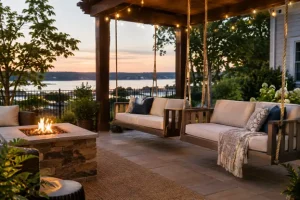
Imagine a screened porch flowing into a stone patio with a grill and fire pit. On hot days, you can stay in the shade; on cooler nights, move out to the open sky.
This hybrid design is especially useful in climates with mixed weather — offering flexibility all year round.
You can use outdoor fans, retractable awnings, and glass enclosures to adjust comfort levels through each season.
Final Thoughts: Patio vs Porch – Choosing the Right Climate Fit
When it comes to patio vs porch, your climate tells the story.
If you live where it’s hot and dry, go for an open patio for backyard fun with shaded sitting areas.
If your region is cold or wet, build a porch for comfort and longer seasonal use.
And for mixed climates, combine both or design adaptable enclosures.
No matter your choice, focus on:
- Climate-suited materials
- Weather-resistant furniture
- Drainage and ventilation
- Complementary landscaping
Building with the climate in mind ensures your outdoor space remains inviting, durable, and easy to maintain for years to come.
Ready to create your dream outdoor space? Whether you’re weighing patio vs. porch options or considering how Maryland’s changing weather impacts design, the right plan makes all the difference.
Hawkins Landscaping Inc., proudly serving Frederick County and surrounding areas for over 50 years, specializes in custom patio design and construction built for year-round enjoyment. From classic backyard patios to weather-resilient outdoor living spaces, their experienced team designs durable, beautiful solutions tailored to your lifestyle, budget, and local climate. Every project blends function, comfort, and timeless curb appeal.
Flexible financing options are available to help bring your vision to life.
Call (301) 898-3615 or visit hawkinslandscaping.com to schedule your patio design consultation and custom quote today.
Turn your yard into a space you’ll love in every season—with Hawkins Landscaping Inc., your trusted local patio and outdoor living experts.