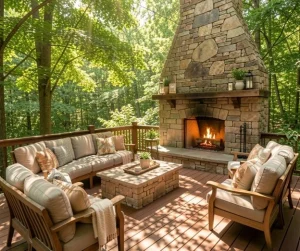
When you picture a perfect backyard, what comes to mind? Maybe lush greenery, blooming flower beds, or a warm sitting area by a fire pit. But there’s one element that often gets overlooked — the walkway. A well-planned walkways with stepping stones isn’t just practical—it can completely elevate your landscaping design, tying together your yard’s hardscapes and landscapes into one cohesive, stylish, and inviting outdoor space.
Among all walkways ideas, stepping stone paths stand out as one of the most beautiful and versatile options. The combination of natural materials, creative spacing, and smart layout creates visual rhythm, enhances flow, and adds character to any yard. Better still, you have a wide variety of materials to choose from—each offering unique textures, colors, and durability levels to fit your design goals and budget.
In this article, we’ll explore the best materials for walkways with stepping stones, discuss how each option complements different landscaping designs, and share expert tips for creating pathways that look stunning and last for years.

Why Walkways with Stepping Stones Are So Popular
Walkways with stepping stones blend practicality with artistry, offering a path that is both functional and visually appealing. Rather than a single continuous surface, these paths use spaced or connected stones that create visual interest and a sense of movement through your garden or yard.
Here’s why homeowners love stepping stone walkways:
- Natural Beauty: The breaks between stones allow vegetation, gravel, or mulch to show through, blending with surrounding landscapes.
- Affordability: You don’t need as many materials as a full paved path, reducing overall cost.
- Flexibility: Suitable for curved or irregular layouts, perfect for informal garden designs.
- Easy Drainage: Gaps between stones let rainwater soak through naturally, preventing pooling.
- DIY-Friendly: Many stepping stone paths can be installed with basic tools and materials.
From simple garden trails to elegant entries, stepping stone walkways enrich both the form and function of outdoor spaces.
Key Factors to Consider Before Choosing Materials
Before you dive into material options, think about how your walkway will function and integrate with the rest of your property.
- Traffic Level: Will your walkway support regular foot traffic or light garden strolls? High-traffic paths need durable, non-slip surfaces.
- Climate & Drainage: Choose materials that can withstand local temperature changes and moisture conditions.
- Yard Style: Your stepping stone material should complement your home’s overall theme and surrounding hardscapes and landscapes.
- Budget: Balance cost with aesthetics and maintenance requirements.
- Ease of Installation: Some materials, like gravel and concrete pavers, are DIY-friendly; others, like natural flagstone, may require professional help.
With these factors in mind, let’s look at the best materials for walkways with stepping stones that suit every taste and budget.
1. Natural Stone: Timeless Beauty and Durability
Few materials match the timeless appeal and strength of walkways with stepping stones made from natural stone. It’s an ideal choice if you’re aiming for a high-end, organic feel that complements your landscaping design.
Popular stone types include:
- Flagstone: Flat, irregular pieces that fit naturally together, perfect for rustic walkways.
- Slate: Smooth, dark stone offering a sleek, sophisticated look.
- Sandstone: Lighter in color and great for warm, sunny backyards.
- Bluestone: Dense and durable, known for its deep gray-blue hue.
Why choose natural stone:
- Extremely durable and long-lasting.
- Non-slip surface, even when wet (especially flagstone).
- Each piece has unique textures and colors.
- Fits beautifully with natural landscaping elements like water features or garden beds.
Installation tip:
Set each stone into a sand or gravel base to ensure stability and proper drainage. Fill gaps with decorative gravel or low-growing groundcover plants for a polished finish.
Perfect for: Modern, rustic, or naturalistic outdoor settings.
2. Concrete Stepping Stones: Budget-Friendly and Customizable
If you want walkways with stepping stones that are easy to install, affordable, and customizable, concrete is a top contender. Precast concrete stepping stones come in various shapes such as circles, squares, ovals, or even irregular designs that mimic real stone.
Benefits of concrete stones:
- Wide range of colors and textures.
- Durable against weather and foot traffic.
- Can be painted, stained, or stamped for a tailored look.
- Easy to replace or rearrange if damaged or when updating your design.
You can even pour your own concrete stepping stones using molds, offering endless creative opportunities for DIY landscaping design enthusiasts.
Design idea:
Alternate stamped concrete stones with gravel or mulch between spaces for a layered aesthetic that adds depth and charm.
Perfect for: Contemporary yards, family gardens, or DIY weekend projects.
3. Brick: Classic Warmth with Vintage Appeal
Brick stepping stones give walkways a warm, traditional character and pair beautifully with lush gardens or colonial-style homes. The symmetrical shape makes them easy to arrange in straight or geometric patterns, while their earthy tone enhances both hardscapes and landscapes.
Advantages of brick stepping stones:
- Timeless, versatile aesthetic.
- Budget-friendly and easy to source.
- Weather-resistant and simple to replace.
- Can be installed over sand, gravel, or soil layers.
Design tip:
Mix old and new bricks for a charming, aged look. Space them apart evenly and fill the gaps with decorative gravel or creeping plants like thyme or moss.
Perfect for: Cottage gardens, traditional homes, and vintage-inspired backyards.
4. Paver Stones: Uniform and Versatile
Pavers are manufactured stones made from concrete, clay, or porcelain, known for their strength and precise shape. They’re a smart choice for homeowners who want uniformity and professional results.
Why choose paver stones:
- Modular and easy to install.
- Available in numerous shapes, sizes, and colors.
- Excellent for both formal and informal paths.
- Long-lasting and low maintenance.
Installation tips:
Level the base carefully using compacted gravel and sand to prevent shifting. Seal the surface for added protection and color retention.
Perfect for: Modern outdoor designs, front yard entries, or spaces that need clean, crisp lines.
5. Gravel and Pebbles: Natural Texture and Affordability
Pairing stepping stones with gravel or decorative pebbles creates a beautiful balance of textures and tones—a simple way to achieve designer-level style at a low cost.
Advantages:
- Inexpensive and easy to install.
- Great for drainage and preventing puddles.
- Offers soft crunch sound underfoot, adding sensory appeal.
- Looks great between wider-spaced stepping stones.
You can choose from pea gravel, crushed granite, river pebbles, or marble chips depending on your color palette and style preferences.
Design idea:
Use large natural stone or concrete stepping stones surrounded by dark gravel for contrast and sophistication.
Perfect for: Minimalist gardens, zen-style retreats, or meandering backyard trails.
6. Wood and Timber Rounds: Rustic, Eco-Friendly Charm
Wood rounds or timber slices bring a beautifully organic, rustic vibe to your yard. They’re perfect for nature-inspired landscaping designs and work well in gardens, wooded areas, or natural play spaces.
Pros of wood walkways:
- Extremely budget-friendly—especially if you have spare logs.
- Blends seamlessly into outdoor surroundings.
- Adds warmth and texture.
- Can be paired with mulch or gravel for durability.
Tips to extend lifespan:
- Choose hardwoods like cedar, oak, or teak.
- Seal the wood to protect against rot and insects.
- Place on gravel or sand base to improve drainage.
Perfect for: Woodland gardens, children’s play areas, or rustic cabins.
7. Recycled and Repurposed Materials: Sustainable Creativity
One of the most unique walkways ideas is using recycled materials—like reclaimed brick, concrete pieces (“urbanite”), old tiles, or leftover pavers. It’s both cost-effective and environmentally conscious.
Benefits of sustainable walkways:
- Reduces waste and environmental footprint.
- Completely customizable designs.
- Adds a personal, artisanal touch.
You can arrange broken concrete or tiles in mosaic-style patterns, creating a one-of-a-kind walkway that tells a story.
Perfect for: Eco-friendly landscapes, boho gardens, or creative homeowners seeking originality.
Combining Materials for Visual Impact
You don’t have to stick to just one material type. Combining textures and colors elevates your landscaping design, creating contrast and interest. For instance:
- Use flagstone with gravel infill for a balanced natural look.
- Pair concrete stones with mulch or small river pebbles for softness.
- Combine brick edges with sandstone or pavers for defined, framed walkways.
This layering technique ties together your hardscapes and landscapes, creating a cohesive outdoor composition that feels intentional, beautifully connected, and highlights walkways with stepping stones.
Smart Spacing and Layout Techniques
Proper spacing of walkways with stepping stones impacts how comfortable your path feels underfoot and how natural it looks.
Spacing tips:
- Measure your natural walking stride; standard spacing is 18–24 inches apart.
- Use rope or a garden hose to outline the path before placing stones.
- Slightly stagger stones for a more organic flow.
- Use curves instead of straight lines for softer transitions through the yard.
For safety and accessibility, ensure stones are stable and level with surrounding surfaces.
Enhancing Stepping Stone Walkways with Landscaping Features
A stepping stone walkway should never be an afterthought—it can anchor your entire outdoor design. Enhance your walkway with complementary landscaping elements to make it a focal point.
Ideas to elevate your walkway:
- Plant groundcover: Creeping thyme, moss, or sedum fill spaces between stones adding color and fragrance.
- Add lighting: Solar or low-voltage lights guide paths and improve safety at night.
- Use edging: Decorative stone, steel, or wood borders help keep materials in place.
- Integrate water features: Position your walkway near fountains or ponds for a tranquil effect.
- Incorporate seating nooks: Extend stepping stones to small patio spaces or resting spots.
When planned thoughtfully, your stepping stone walkway becomes both a design feature and an immersive experience through your yard.
Maintenance Tips for Longevity and Appeal
Even the best materials need a little care to maintain their beauty and stability. Here’s how to keep your walkway looking fresh year-round:
- Weed control: Use landscape fabric or polymeric sand to prevent growth between stones.
- Cleaning: Sweep regularly and rinse with water to remove dirt and debris.
- Resealing: If using concrete or pavers, reseal every few years for protection.
- Wood preservation: Treat timber with sealant or oil annually.
- Gravel refreshes: Add fresh gravel annually to maintain texture and fullness.
With minimal maintenance, your walkway can look stunning for decades.
Inspiration: Styles That Work in Every Backyard
Depending on your home’s architecture and outdoor theme, your stepping stone walkway can take on many personalities.
Modern minimalism:
Large rectangular pavers surrounded by small gray pebbles for serenity and contrast.
Cottage charm:
Vintage bricks mixed with flowering borders and curved paths that feel warm and inviting.
Zen tranquility:
Flat slate or concrete stones between white gravel, accented by bamboo or ornamental grasses.
Rustic natural:
Wood slices or irregular flagstones surrounded by moss and native plants for an earthy vibe.
Mediterranean flair:
Terracotta tiles, sandstone, and drought-tolerant plants like lavender or rosemary.
Average Cost Overview
To help you plan, here’s a general price range for different stepping stone materials (installation costs may vary by region and complexity):
Material Type | Estimated Cost per Sq. Ft. | Durability | Maintenance |
Gravel & Pebbles | $1–$3 | Moderate | Low |
Concrete | $3–$6 | High | Low |
Brick | $5–$10 | High | Medium |
Natural Stone | $8–$15 | Very High | Low |
Pavers | $6–$12 | High | Low |
Wood | $1–$4 | Moderate | High |
Recycled Materials | $0–$5 | Varies | Low–Medium |
By mixing materials wisely, you can create a custom walkway that fits your budget and showcases your personality.
Conclusion: Transform Your Backyard with Walkways with Stepping Stones
The right stepping stone material can transform your backyard from ordinary to extraordinary. Whether you prefer the rugged elegance of natural stone, the charm of brick, or the creativity of upcycled materials, there’s a perfect solution for every style and price point.
Beyond aesthetics, a thoughtfully planned walkways with stepping stones enhances your overall landscaping design—seamlessly connecting your hardscapes and landscapes into a functional, artistic, and inviting outdoor experience.
Ready to bring your walkway ideas to life? Contact the experts at Hawkins Landscaping Inc. today for a consultation and discover how we can design and install the perfect stepping stone path or custom paver walkway for your outdoor space.
With over 50 years of experience serving Frederick County and surrounding areas, our team delivers durable craftsmanship, creative layouts, and personalized solutions built to complement your home’s style and landscape.
Call (301) 898-3615 or visit hawkinslandscaping.com to get started. Ask about our flexible financing options and let’s create a walkway that’s as practical as it is beautiful.