When it comes to enhancing your outdoor space, few upgrades make as big of an impact as well-designed walkways for backyard areas. Walkways do more than guide visitors—they tie your hardscapes and landscapes together, improve accessibility, and add undeniable curb appeal. But here’s the best part: you don’t have to spend a fortune to create a stunning path through your backyard. With the right walkways ideas, materials, and planning, you can build a functional and attractive walkway that fits virtually any budget.
In this guide, we’ll explore affordable walkways ideas for backyards, discuss how to choose the best materials for your space, and show you smart design techniques to keep costs low while achieving a professional, polished look.
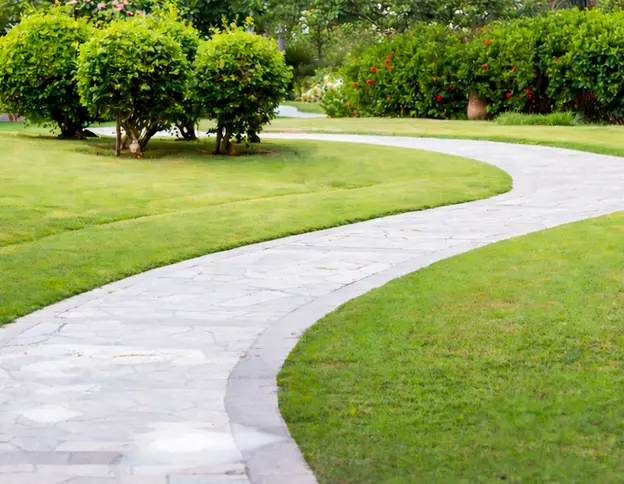
Why Walkways for Backyard Design Matter
A walkway is more than just a path—it’s a design statement. It connects different elements in your yard, enhances flow, and adds personality to your landscape. Whether leading from the patio to the garden or from the deck to a cozy fire pit, a well-designed walkway makes your outdoor space feel intentional and inviting.
Benefits of adding a walkway:
- Defines clear paths through gardens and lawns.
- Reduces mud and erosion in high-traffic zones.
- Adds structure and balance to your landscape design.
- Increases your home’s aesthetic appeal and resale value.
- Improves safety and accessibility, especially at night.
Planning Your Backyard Walkway
Before jumping into materials or costs, you’ll want to start with a design plan that aligns with your landscape’s layout and your personal style. When planning walkways for backyard, it’s important to consider how each path connects your outdoor spaces and supports both function and visual flow.
- Identify the walkway’s purpose.
Are you creating a main path to your front gate or a simple garden trail? The function determines the size, width, and durability needed. - Map out your route.
Use a garden hose or rope to visualize the walkway’s shape and placement. Natural curves often feel more organic, but straight lines may better suit modern homes. - Choose materials that match your yard.
The material of your walkway should complement existing hardscapes and landscapes. For instance, brick pavers pair well with traditional homes, while gravel or stepping stones give a rustic charm. - Consider drainage and grading.
Avoid areas that pool after rain. Incorporate gentle slopes or edging to guide water away from paths and prevent puddling.
Affordable Walkways Ideas for Every Budget
Let’s go through different walkways ideas that range from DIY-friendly to professionally built. Each option fits different styles and budgets while maintaining durability and beauty. When planning walkways for backyard, it helps to compare materials based on cost, maintenance, and overall design impact.
1. Gravel Walkways: Simple, Inexpensive, and Timeless
Average cost: $1–$3 per square foot
Best for: Rustic gardens, cottage-style yards, or natural settings
Gravel walkways are one of the easiest and most affordable ways to define a path. All you need is a framed edge, landscape fabric, and crushed stone or pea gravel. The loose texture creates a casual, earthy feel that suits relaxed outdoor environments.
Tips:
- Use a landscape border or metal edging to keep gravel in place.
- Compact the base for stability and fewer weeds.
- Add solar lights to highlight the walkway at night.
Pros: Low cost, easy to install, excellent drainage.
Cons: Gravel may shift over time, requiring occasional raking.
2. Stepping Stone Paths: Natural and Artistic
Average cost: $3–$6 per square foot
Best for: Informal gardens, zen spaces, and creative backyards
Stepping stones—either natural stone slabs or precast concrete pavers—create a charming, organic walkway. They can be spaced apart for a whimsical feel or set tightly for a smoother walking surface.
Tips:
- Combine stepping stones with groundcover plants like creeping thyme or moss for visual softness.
- Dig shallow recesses to level and secure each stone.
- Use irregular stone shapes for a natural, custom look.
Pros: Customizable, visually appealing, minimal maintenance.
Cons: Uneven spacing might not be suited for wheelbarrows or mobility aids.
3. Concrete and Stamped Concrete Walkways
Average cost: $5–$10 per square foot
Best for: Modern homes or cohesive hardscaping projects
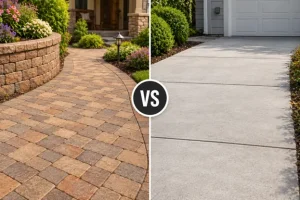
Concrete is budget-friendly and long-lasting. Standard poured concrete offers a clean, functional path, while stamped concrete paving walkways mimic pricier materials such as brick, flagstone, or slate without the high cost.
Tips:
- Seal concrete to protect it from stains and cracks.
- Choose a subtle texture pattern for better traction.
- Pair with brick or stone edging to add character.
Pros: Highly durable, easy to maintain, versatile design options.
Cons: Can crack in freeze-thaw climates if not properly installed.
4. Brick Walkways: A Classic Choice
Average cost: $6–$12 per square foot
Best for: Traditional homes, formal gardens, and vintage-inspired landscapes
Brick brings a warm, timeless feel to your yard. It can be arranged in various patterns—like herringbone or running bond—offering a neat and symmetrical look. If you source reclaimed bricks, you can cut costs and achieve a rustic aesthetic.
Tips:
- Lay bricks on a sand base over compacted gravel for stable results.
- Mix colors and textures for visual interest.
- Incorporate low-voltage lighting along the edges for ambiance.
Pros: Long-lasting, weather-resistant, charming.
Cons: Can shift over time if not properly edged or compacted.
5. Mulch or Wood Chip Paths: Natural and Eco-Friendly
Average cost: $0.50–$2 per square foot
Best for: Woodland gardens, vegetable patches, or low-traffic areas
If you’re looking for a walkways idea that’s inexpensive and organic, mulch is perfect. It’s easy to install—just lay down weed barrier fabric and pour mulch or wood chips along the desired path.
Tips:
- Use cedar or cypress mulch for longer-lasting paths.
- Refresh annually as mulch decomposes.
- Define borders with logs, edging, or stones.
Pros: Very affordable, eco-friendly, blends seamlessly with nature.
Cons: Requires annual touch-ups and isn’t ideal for frequent use.
6. Flagstone Walkways: Durable and Elegant
Average cost: $8–$15 per square foot
Best for: High-end hardscapes and natural landscapes
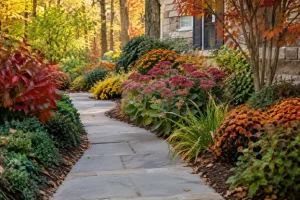
Flagstone paving walkways offer a timeless look with irregular stone shapes that blend beautifully with greenery. Although pricier, you can keep costs lower by using smaller stone sections or combining flagstone with gravel fillers.
Tips:
- Choose flat, thick stones for stability.
- Use polymeric sand or gravel between joints to prevent weeds.
- Pair with native plants along edges for a finished appearance.
Pros: Extremely durable, high visual appeal, non-slip surface.
Cons: Heavier material, requires professional installation for best results.
7. Recycled and Upcycled Materials: Creative and Budget-Friendly
For sustainability and savings, consider using reclaimed materials such as old bricks, broken concrete (also known as “urbanite”), or leftover pavers. These DIY-friendly options can create unique textures and patterns for walkways for backyard designs that feel custom and eco-conscious.
Tips:
- Source materials from demolition sites or reuse your own leftover pavers.
- Arrange in mosaic or geometric designs for a custom aesthetic.
- Mix upcycled materials with gravel or mulch for a blended walkway.
Pros: Environmentally friendly, inexpensive, uniquely creative.
Cons: Requires creativity and time to source consistent pieces.
Combining Walkways with Other Hardscape Features
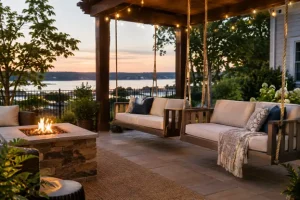
Your walkway doesn’t need to stand alone. It can serve as the connective tissue that ties together various backyard destinations. Whether leading to a patio, pergola, or fire pit, paving walkways create harmony in your outdoor layout. When planning walkways for backyard, it’s important to think about how each element connects to your overall outdoor design.
Great combinations:
- Walkway + garden edging: Frame your walkway with low shrubs, decorative grass, or stone edging.
- Walkway + lighting: Install solar or low-voltage lights to accent your path after dark.
- Walkway + water features: Curving paths near fountains or ponds enhance tranquility.
- Walkway + seating areas: Extend the walkway to small benches or rest spots for an inviting design flow.
The key is balance—make sure your walkway complements your existing hardscapes and landscapes without overpowering them.
Cost-Saving Tips for Paving Walkways
You don’t have to sacrifice style when working with a tight budget. Here’s how to save money while still building a beautiful, functional path:
- Choose local materials: Local gravel or stone often costs less than imported or specialty options.
- Do the prep yourself: Excavation and leveling are labor-intensive but DIY-friendly.
- Mix materials: Combine inexpensive fillers like gravel between flagstones or stepping stones.
- Limit width: Narrow walkways cost less while still providing good functionality.
- Reuse what you have: Old bricks, concrete, or leftover pavers can become part of your new design.
- Add accents later: Edging, lighting, or decorative plants can be introduced as your budget allows.
Designing for Curb Appeal and Longevity
Affordability doesn’t mean you should cut corners. A properly planned walkway will look beautiful and last for years. Here are some design and maintenance tips:
Design tips:
- Match your walkway style to your home—modern, rustic, or cottage.
- Use complementary colors for harmony.
- Introduce gentle curves for a natural flow through your landscape.
- Incorporate focal points like small gardens or sculptures near the path.
Maintenance tips:
- Keep weeds in check with landscape fabric or polymeric sand.
- Sweep regularly to avoid buildup of dirt and debris.
- Reseal pavers or concrete every few years for protection.
- Refresh gravel or mulch annually to maintain appearance.
Inspiration: Walkways That Fit Any Style
Whether your backyard leans modern, bohemian, or traditional, there’s a walkway to match. Below are a few aesthetic directions to spark creativity:
- Modern Minimalism:
Go for poured concrete slabs with clean lines and minimal spacing, paired with ornamental grasses or LED lighting for sleek contrast. - Rustic Charm:
Blend irregular flagstone with native plants and wooden edging for a warm, countryside atmosphere. - Tropical Oasis:
Combine stepping stones with lush greenery and pebble accents to mimic a serene resort path. - Cottage Garden:
Create an inviting route with reclaimed brick, lavender borders, and colorful garden blooms spilling over the edges. - Eco-Friendly Haven:
Use recycled concrete pieces embedded in gravel for a zero-waste, sustainable walkway that still looks high-end.
DIY vs. Professional Installation
Should you take on the project yourself or hire a professional? It depends on the complexity of your design, material choice, and time availability. When planning walkways for backyard, this decision often comes down to balancing budget, durability, and design complexity.
DIY Walkways:
Gravel, stepping stones, and mulch paths are excellent beginner projects. With proper preparation and patience, you can achieve professional-level results.
Professional Installation:
If you’re installing flagstone, stamped concrete, or brick with precise patterns, a professional hardscaping contractor ensures optimal leveling, drainage, and longevity.
Hiring professionals can also save time and reduce costly mistakes. When working with a landscape designer or hardscape expert, you gain access to quality materials, proper grading, and layout expertise that make your walkway look seamless and cohesive with the rest of your yard.
Final Touches: Landscaping Your Walkway
Once your path is in place, enhance it with thoughtful landscaping touches to boost its aesthetic value and cohesion with your property.
Simple enhancement ideas:
- Plant low-growing flowers or groundcover along edges.
- Add solar lanterns for charm and evening visibility.
- Use decorative gravel borders for contrast.
- Include small water features or potted plants nearby.
A harmonious blend of hardscapes and landscapes ensures your walkway feels integrated, not just added.
Budget Breakdown Example
For a visual idea, here’s a rough estimate of potential walkway costs (based on an average 40-foot-long path but might not reflect the current market conditions):
Material Type | Est. Cost (Installed) | Durability | Maintenance | Aesthetic |
Gravel | $100–$200 | Moderate | Low | Natural/Rustic |
Stepping Stone | $200–$400 | High | Low | Artistic/Natural |
Concrete | $400–$800 | Very High | Very Low | Clean/Modern |
Brick | $800–$1,200 | High | Medium | Classic/Formal |
Flagstone | $1,000–$1,500 | Very High | Low | Elegant/Timeless |
By mixing materials (for example, flagstone bordered with gravel), you can lower your overall project costs while maintaining aesthetic appeal.
Affordable Walkways for Backyard That Transform Your Space
Your backyard can become a masterpiece of form and function—without breaking the bank. From gravel paths to flagstone walkways, the right design choice can completely redefine your outdoor living space. Affordable, durable, and customizable, these walkways ideas make it simple to connect your favorite outdoor areas with charm and purpose. If you’re planning walkways for backyard, the right design can make a big difference in how your space feels and functions.
If you’re ready to bring your vision to life but need expert guidance, the team at Hawkins Landscaping Inc. specializes in designing and installing custom hardscapes and landscapes that fit every budget. Whether you’re interested in paving walkways, creating elegant garden paths, or planning a complete outdoor makeover, we’ll help you build a space that’s both beautiful and practical.
With over 50 years of experience serving Frederick County and surrounding areas, we deliver expert craftsmanship, durable materials, and personalized designs that enhance curb appeal and long-term property value.
Ready to start your walkway project? Call (301) 898-3615 or visit hawkinslandscaping.com to schedule your consultation. Ask about our flexible financing options and discover affordable ways to elevate your backyard!