A grass-free yard can be beautiful, functional, and far easier to manage than a large traditional lawn. Late September is an excellent time to begin the transition to landscaping without grass because cooler temperatures, more reliable rainfall in many regions, and less intense sun can help plants establish while giving homeowners time to redesign problem areas before winter.
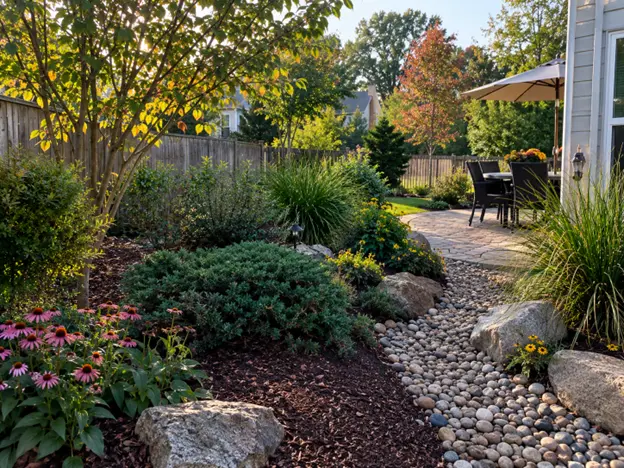
Landscaping without grass does not mean covering the entire yard in gravel or removing every green plant. The best no-lawn spaces combine practical hardscape, climate-appropriate plants, defined landscaping borders, mulch, pathways, seating areas, and drainage features. The result can be a yard that needs less mowing, less water, less fertilizer, and fewer weekend maintenance hours.
This guide covers low-maintenance landscaping ideas for late September, including how to replace turf thoughtfully, where to use ground covers, when gravel makes sense, how to build structure with hardscape, and when to hire professional landscaping services.
Why Consider Landscaping Without Grass?
Traditional turf can be useful in certain areas. It provides a soft surface for play, pets, and gatherings. However, grass is often planted where it does not perform well, such as beneath dense trees, on steep slopes, beside hot pavement, in narrow side yards, or in areas that receive constant foot traffic.
Landscaping without grass can solve many common problems. It may reduce mowing, improve drainage, create more planting opportunities, and help you use the yard in ways that are more practical than maintaining an oversized lawn.
University of Maryland Extension recommends replacing portions of lawn with ground covers, ornamental grasses, garden beds, shrubs, flowers, edible plants, and native plantings. It also notes that conservation landscaping can improve water quality and wildlife habitat by replacing turf with native plants.
A no-grass design is especially useful when you want to turn an unused lawn area into a patio, vegetable garden, pollinator border, gravel seating zone, rain garden, or low-maintenance planting bed.
The goal should not be to eliminate lawn simply because it is fashionable. Instead, identify where grass is not serving a practical purpose and replace it with something that better fits the site.
Start With a Late September Yard Assessment
Before removing turf, walk around the property and look at how the yard is actually used. End of September is still a good time for this assessment because summer wear patterns are visible. You may see worn routes through grass, bare areas beneath trees, dry strips along driveways, wet spots after rain, or parts of the yard no one uses.
Take note of the following conditions:
- Full sun, partial shade, and deep shade areas.
- Low spots where water collects.
- Slopes that are difficult to mow.
- Existing trees and exposed roots.
- High-traffic routes.
- Areas used by children or pets.
- Patio, deck, and fire-pit connections.
- Locations of downspouts.
- Soil compaction.
- Existing garden beds.
- Utility lines and access points.
- Views from inside the home.
Then divide the yard by function. You may decide to keep a small lawn for recreation while replacing unused turf with planting beds, gravel, paths, and outdoor living space.
A lawn alternative should solve a specific problem. For example, a shady area beneath a mature tree may be better suited to sedges, ferns, mulch, and stepping stones. A hot side yard may work better as a gravel path with drought-tolerant plants. A soggy low area may be more appropriate for a rain garden.
1. Replace Grass With Native Plant Beds
Native plant beds are one of the most effective ways to reduce lawn while adding color, texture, habitat, and seasonal interest. For landscaping without grass, a well-designed native planting can include shrubs, ornamental grasses, perennials, ground covers, and small trees.
Use native beds along:
- Property edges
- Fence lines
- Driveways
- Patios
- Walkways
- Slopes
- Downspout areas
- Tree edges
- Front-yard islands
- Backyard seating zones
Native plants are generally adapted to local climate conditions and can support pollinators, birds, and beneficial insects. They may also require less supplemental water once established than plants adapted to very different conditions.
For early fall planting, choose species appropriate to your region, soil, sun exposure, and moisture level. Newly planted natives still need consistent watering while their roots establish.
2. Create Mulched Garden Islands
Mulched garden islands are simple, flexible, and effective. They can replace large lawn sections while creating planting space for shrubs, grasses, flowers, and small trees.
A garden island works well in a lawn that feels too open or difficult to mow. Instead of maintaining a large rectangle of grass, you can create curved beds that break up the space and add visual interest.
Use mulch around:
- Small ornamental trees
- Native shrubs
- Perennials
- Pollinator plants
- Ornamental grasses
- Fall flowers
- Evergreen foundation plants
Mulch helps suppress weeds, reduce evaporation, moderate soil temperature, and give the bed a finished appearance. Use approximately 2 to 3 inches in most planting beds and keep mulch away from plant stems and tree trunks.
For turf removal, one approach is sheet mulching. Fine Gardening recommends overlapping layers of newspaper or cardboard over the lawn, then covering the material with weed-free mulch or compost to block light and smother grass.
3. Use Ground Covers Instead of Turf
Ground covers can provide a living green surface without regular mowing. They are especially useful under trees, on slopes, between stepping stones, along walkways, and in narrow spaces where grass struggles.
Good ground-cover choices depend on local conditions. Potential options may include creeping thyme, sedum, native sedges, creeping phlox, bearberry, violets, ajuga, pachysandra, or regionally appropriate native plants.
Choose ground cover according to:
- Sun exposure
- Soil moisture
- Foot traffic
- Winter hardiness
- Mature spread
- Maintenance needs
- Wildlife value
- Local invasiveness concerns
A ground cover is not automatically maintenance-free. It may need watering, weeding, trimming, and mulch while becoming established. However, once plants fill in, they can reduce exposed soil and limit weeds.
Extension guidance notes that ground covers are naturally low-growing plants that do not require mowing, making them useful lawn alternatives for difficult sections of the yard.
4. Add Ornamental Grasses
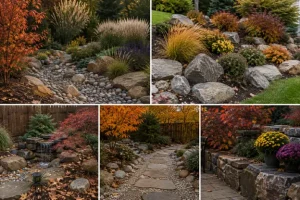
Ornamental grasses can replace lawn while adding movement, texture, and fall color. In late September, many grasses are at their visual peak, with seed heads, plumes, and warm foliage tones.
Use ornamental grasses in:
- Meadow-style plantings
- Patio borders
- Driveway edges
- Privacy screens
- Rain gardens
- Slopes
- Large garden beds
- Gravel gardens
- Mailbox plantings
Good choices may include switchgrass, little bluestem, prairie dropseed, blue fescue, feather reed grass, and regionally suitable sedges. Select varieties according to mature height and spread.
Ornamental grasses do not need frequent mowing, but they still require seasonal care. Many are cut back in late winter or early spring rather than immediately in fall, allowing their seed heads and foliage to provide structure through winter.
5. Build a Gravel Garden
A gravel garden combines drought-tolerant planting with decorative stone. It is one of the most durable low-maintenance options for landscaping without grass in sunny, well-drained areas.
A gravel garden can replace grass near patios, driveways, side yards, outdoor seating areas, or hot south-facing walls. It works particularly well in locations where lawn irrigation and mowing are difficult.
A well-designed gravel garden should not be an empty field of stone. It should include carefully spaced plants such as ornamental grasses, sedum, yarrow, salvia, coneflowers, alliums, drought-tolerant shrubs, and native perennials.
Gravel gardens are often planted with drought-tolerant and pollinator-friendly species. They are best suited to sunny, relatively dry sites away from large mature trees, which can create root competition and leaf debris.
Use angular gravel rather than rounded pea gravel for paths and seating areas where you want better stability. Add edging so gravel does not migrate into the lawn or planting beds.
6. Create a Patio or Outdoor Room
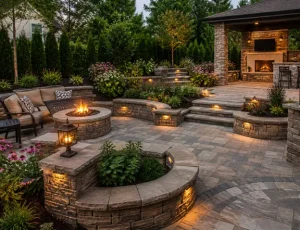
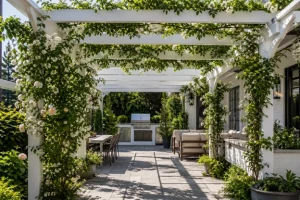
One practical approach to landscaping without grass is replacing unused grass with a patio. A patio creates outdoor living space for dining, lounging, grilling, reading, and entertaining.
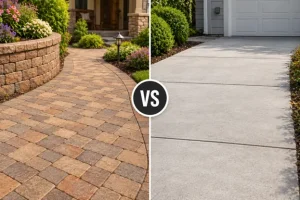
Use pavers, natural stone, brick, concrete, gravel, or permeable materials depending on the style of the home, budget, and drainage conditions.
A patio can include:
- Outdoor dining furniture
- Lounge seating
- A fire table
- A pergola
- Containers
- Lighting
- A grill station
- A water feature
- Storage benches
- Garden borders
When replacing grass with a patio, plan the size based on how you will use it. A patio that only fits a small table may not be large enough for entertaining. A patio that is too large may dominate a compact yard.
7. Install a Permeable Pathway
A pathway can replace worn lawn routes and prevent mud during fall and winter. It also gives the yard structure and improves circulation.
Use pathways to connect:
- The house and patio
- A deck and fire pit
- A gate and garden
- A shed and vegetable beds
- A driveway and side yard
- A seating area and lawn
- A compost area and backyard entrance
Good path materials include flagstone, concrete pavers, brick, gravel, decomposed granite, wood, and permeable pavers.
Permeable surfaces can help reduce runoff by allowing water to move through joints or porous material into the prepared base beneath. They are particularly useful for garden paths, patios, driveways, and seating zones where water management matters.
A path should follow the route people naturally take. If people keep walking diagonally across the lawn, that is often a sign that the yard needs a walkway rather than more grass repair.
8. Add a Rain Garden
A rain garden is a planted depression that collects and filters stormwater. It can replace grass in a low area while addressing runoff from roofs, patios, and driveways.
Use a rain garden where water naturally collects, but keep it away from foundations and septic systems. The garden should have a planned overflow route so heavy rain does not create flooding.
Plant the center with species that tolerate temporary wet conditions and use plants adapted to drier soil around the outer edges.
A rain garden may include:
- Native sedges
- Blue flag iris
- Swamp milkweed
- Cardinal flower
- Joe Pye weed
- Switchgrass
- Dogwood
- Buttonbush
- Moisture-tolerant shrubs
- Decorative river rock at the inlet
A rain garden can become a focal point rather than a drainage problem. Add boulders, river rock, mulch, and layered planting for a natural appearance.
9. Add a Dry Creek Bed
A dry creek bed can replace grass in a drainage-prone area while adding stone texture and a naturalistic feature. It is designed to guide water during storms but remains mostly dry during normal conditions.
A dry creek bed may include:
- Large boulders
- River rock
- Gravel
- Moisture-tolerant plants
- Native grasses
- Ground covers
- A stable water inlet
- A safe overflow route
Use a dry creek bed below a downspout, along a slope, or through a low part of the yard where runoff already flows.
Do not simply scatter decorative rocks over an erosion problem. The channel should be excavated, shaped, and stabilized so water moves safely without cutting into adjacent soil.
10. Create a No-Grass Vegetable Garden
A vegetable garden is a productive lawn alternative. Raised beds, gravel paths, mulch, trellises, and drip irrigation can replace a section of turf with a space that provides herbs, vegetables, flowers, and seasonal interest.
This time in September is a good time to plant cool-season crops in many regions, including leafy greens, radishes, garlic, and cover crops. The exact timing depends on local climate.
A no-grass vegetable garden may include:
- Raised beds
- Block borders
- Gravel paths
- Trellises
- Compost bins
- Rain barrels
- Drip irrigation
- Potting benches
- Pollinator plants
- Tool storage
Keep paths wide enough for a wheelbarrow and easy access. Use mulch or gravel between beds to reduce mud and weeds.
11. Use Moss and Shade Gardens
Deep shade is one of the most difficult conditions for grass. Rather than repeatedly reseeding a failing lawn under trees, create a shade garden with moss, ferns, sedges, hostas, heuchera, and woodland shrubs.
Moss can work in consistently moist, shaded areas with acidic soil, but it will not thrive in dry, sunny locations or places with heavy foot traffic.
A shade garden can include stepping stones to protect plants and create access. Add mulch, leaf compost, and natural stone to create a woodland character.
Do not remove large amounts of soil or cut major tree roots while installing a shade garden. Mature trees are valuable assets and should be protected during landscape renovations.
12. Use Decorative Stone Carefully
Decorative stone can replace grass in low-maintenance zones, but it should be used intentionally. Covering an entire yard with rock can increase heat, limit planting, and make the space feel harsh.
Use decorative stone in:
- Gravel gardens
- Drainage channels
- Patio borders
- Side yards
- Fire-pit zones
- Utility areas
- Dry creek beds
- Garden paths
- Areas beside air-conditioning units
Combine stone with planting islands. Group shrubs, grasses, and perennials in repeated clusters so the space has softness and seasonal interest.
Gravel, stone, pavers, and other hardscape materials can reduce mowing and irrigation needs, but they should be paired with appropriate planting and drainage planning to avoid creating heat or runoff issues.
13. Add a Fire-Pit Zone
A fire-pit zone can replace grass with a functional fall gathering space. Use gravel, pavers, stone, or concrete to create a stable noncombustible surface.
A fire-pit area may include:
- Adirondack chairs
- Built-in seating
- Low walls
- Path lighting
- Storage for firewood
- Ornamental grasses at a safe distance
- A pathway from the house
- Fall containers
Keep the fire pit away from structures, fences, dry mulch, low branches, and combustible furniture. Follow local regulations and manufacturer clearance requirements.
A fire-pit patio is often more useful than an unused section of lawn, especially for homeowners who enjoy spending time outdoors in September and October.
14. Add Defined Landscaping Borders
Defined landscaping borders make a grass-free yard look intentional. Borders can separate mulch from gravel, patios from planting beds, ground covers from paths, and garden zones from outdoor living areas.
Use:
- Brick edging
- Metal edging
- Natural stone
- Concrete curbing
- Landscape blocks
- Pavers
- Spade-cut edges
A clean border helps contain materials and reduces maintenance. It also creates a visual line that makes the landscape easier to understand.
For a natural garden, use gentle curves and stone edging. For a modern landscape, use straight lines, black metal edging, large pavers, and repeated planting patterns.
15. Create a Four-Season Grass-Free Design
A successful landscaping without grass plan should look good in every season. Do not build a landscape that only works in September.
For spring interest, use bulbs, flowering trees, and early perennials. During summer, choose shrubs, native flowers, and foliage plants. In fall, add ornamental grasses, asters, sedum, berries, colorful shrubs, and late-season flowers. Winter interest can come from evergreens, stone, seed heads, bark, lighting, and structural hardscape.
The strongest designs use a mix of:
- Evergreen shrubs
- Native perennials
- Ornamental grasses
- Ground covers
- Trees
- Mulch
- Gravel
- Paths
- Patios
- Lighting
- Water features
- Seating areas
A yard without grass should still have contrast, rhythm, color, texture, and open space. Replacing lawn does not mean filling every inch with plants or stone.
Turn Your Lawn Into a Low-Maintenance Yard With Landscaping Without Grass
Landscaping without grass can make your yard more useful, more resilient, and easier to maintain. Replace underperforming turf with native plant beds, mulched islands, ground covers, gravel gardens, patios, pathways, rain gardens, and outdoor living spaces that fit the way you actually use your property.
Start small by converting one difficult lawn area, such as a shady corner, a steep slope, a muddy side yard, or an unused patch beside the patio. Then build the design in phases as your budget and goals allow.
Ready to bring your landscaping ideas to life? Call (301) 898-3615 or visit Hawkins Landscaping Inc. to schedule your consultation. Ask about flexible financing options for your next outdoor project.