Creating a beautiful, low-maintenance landscape takes more than planting flowers and laying pavers. Garden edging and mulching are two simple but powerful techniques that can completely transform your outdoor space, especially when incorporated into hardscapes landscaping. They define your garden’s structure, protect your soil, and make your hardscape features—such as patios, retaining walls, and pathways—look polished and professional.
In this article, we’ll dive deep into how garden edging and mulching work together to enhance landscaping design. We’ll explore different types of edging, the best mulching materials, installation tips, and how these elements connect with hardscapes and masonry to build unified, lasting outdoor environments.
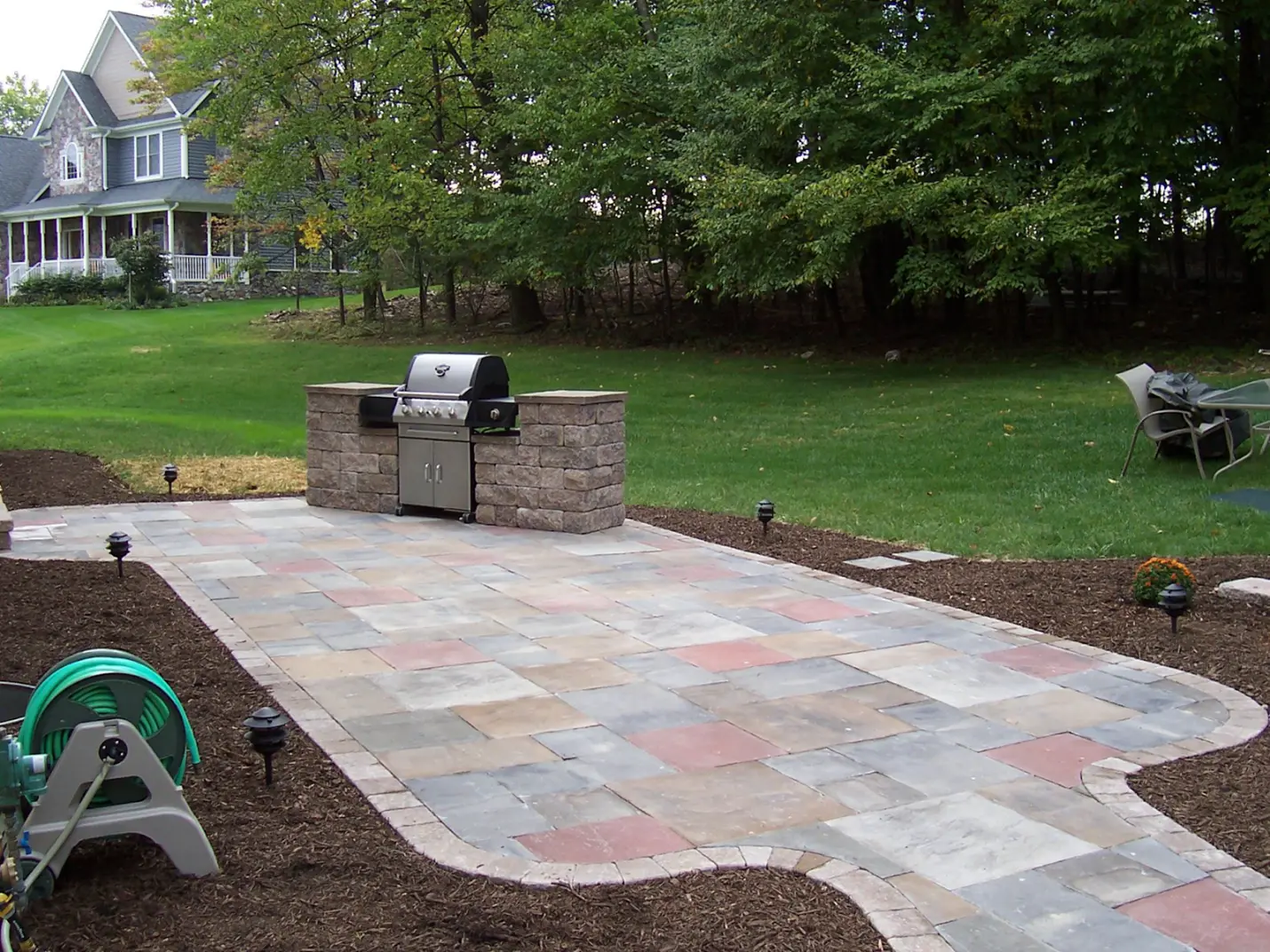
Why Garden Edging and Mulching Matter in Hardscapes Landscaping
Good landscaping design blends both form and function. That means every detail—right down to the borders between your lawn, garden, and paved areas—should serve a purpose. Garden edging and mulching might seem like finishing touches, but they’re actually foundational to a great yard.
Garden edging creates clean lines that separate one landscaping zone from another. It gives your flower beds shape, keeps your lawn from spreading into plant areas, and adds a crisp, maintained look. Mulching, meanwhile, helps your plants thrive by locking in moisture, protecting roots, and reducing weeds.
When these two techniques are used together, they provide structure, visual flow, and better long-term performance for your entire landscape. They’re also an excellent way to connect hardscapes and landscapes—an essential part of thoughtful hardscapes landscaping that merges natural elements like soil and plants with stone, brick, or concrete features.
The Role of Garden Edging in Hardscapes and Landscapes
Garden edging is a boundary system that defines where one element of your yard ends and another begins. In hardscape-rich designs, edging creates harmony between natural landscapes and built materials, making it an important feature in well-planned hardscapes landscaping.
Here’s why edging is so important:
- Prevents Overgrowth: Keeps grass and mulch from spilling into unwanted areas.
- Defines Spaces: Makes each part of your yard—flower beds, walkways, and patios—stand out clearly.
- Reduces Maintenance: Helps maintain separation between lawn areas and hard surfaces.
- Adds Aesthetic Appeal: Gives your landscaping clean lines and a well-designed structure.
Edging in Landscaping Design
Edging plays both an aesthetic and a practical role in landscaping design. Visually, it gives definition and symmetry. Functionally, it controls soil and mulch movement and supports erosion prevention.
Effective edging also highlights your hardscapes and masonry work—whether that’s a cobblestone path, a retaining wall, or a paver patio. When properly installed, edging turns those features into focal points rather than isolated elements.
Popular Garden Edging Materials
Choosing the right edging material depends on your landscaping ideas, design style, and budget. Each material adds its own texture and tone to your outdoor space.
1. Concrete Edging
Concrete edging offers durability and strength. It’s great for modern or structured landscaping designs and works well alongside hardscapes and masonry features like driveways, stone patios, and retaining walls. It can be poured into custom shapes or installed as precast blocks.
Pros: Long-lasting, stable, and customizable
Cons: Requires skilled installation and higher upfront cost
2. Brick Edging
Brick is a timeless option that adds rustic charm. It complements classic home styles and blends easily with existing hardscapes and landscapes. You can lay bricks flat for subtle edges or upright for a bold border.
Pros: Durable, attractive, and weather-resistant
Cons: Can shift without proper base installation
3. Metal Edging (Steel or Aluminum)
Metal edging offers sleek, crisp lines for a minimalist modern design. It’s subtle but effective at holding shape and containing mulch or gravel.
Pros: Low-profile, long-lasting, easy to install
Cons: Can rust over time without protective coating
4. Plastic or Rubber Edging
An affordable and flexible option, plastic edging bends easily to follow curves. It’s ideal for DIY landscaping projects or soft garden transitions.
Pros: Budget-friendly, flexible, and simple to install
Cons: Less durable and can be damaged by heat or mower contact
5. Natural Stone Edging
Natural stone lends an earthy, organic feel and blends perfectly with hardscapes and masonry. It’s ideal when you want to connect natural and built elements seamlessly.
Pros: Strong aesthetic appeal, durable, and erosion-resistant
Cons: Heavier and pricier than artificial materials
Edging Design Tips for Strong Visual Flow
When incorporating edging into your landscaping design, consider how your landscape’s shapes, colors, and lines interplay.
- Match materials: Use similar tones or textures to tie edging into your hardscapes and landscapes. For example, if your patio is made of slate, try using slate chips as edging.
- Plan curves and corners: Avoid harsh angles unless they suit a geometric design. Smooth curves create a natural flow.
- Keep proportion in mind: The size and thickness of your edging should fit the scale of nearby plants and structures.
- Add transitions: Use edging to guide the eye from hardscapes and masonry (like patios) to softscapes (like gardens).
The Art and Science of Mulching in Landscaping Design
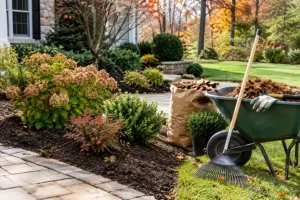
If edging defines your garden’s shape, mulching keeps it healthy and vibrant. Mulch is a protective layer that covers soil, helping control temperature, moisture, and weed growth.
Mulching plays both aesthetic and functional roles in landscaping design. It enhances the appearance of garden beds while improving soil structure and promoting plant health. It also reduces maintenance—an essential feature if your property includes multiple hardscapes and landscapes.
Primary Benefits of Mulching
- Soil Moisture Regulation – Mulch acts as insulation, reducing evaporation and keeping soil from drying out in hot months.
- Weed Suppression – Reduces weed seed exposure to sunlight, cutting weeding time.
- Root Protection – Stabilizes temperature in both cold winters and hot summers.
- Nutrient Enrichment – Organic mulches decompose slowly, feeding the soil naturally.
- Erosion Control – Prevents soil from washing away, especially around sloped hardscapes and masonry areas.
Types of Mulch for Hardscapes Landscaping
The best mulch for your garden depends on your soil, plants, and overall design, particularly when creating balanced hardscapes landscaping that blends garden beds with patios, walkways, and other built features. Here are the two main categories: organic and inorganic.
Organic Mulches
These materials break down naturally, adding nutrients and texture to your soil. Perfect for garden beds near hardscapes and landscapes that need softer, natural transitions.
- Bark and Wood Chips: Long-lasting and attractive. Great for decorative borders and tree bases.
- Shredded Leaves: Budget-friendly option that enriches the soil and supports healthy microbes.
- Compost: Ideal for gardens focused on plant health, though less decorative.
- Pine Needles: Good for acid-loving plants like azaleas or blueberries.
Inorganic Mulches
Inorganic mulch materials don’t decompose quickly. They’re ideal for areas that need less maintenance or are heavily integrated with hardscapes and masonry.
- Gravel and Pebbles: Provide excellent drainage and modern aesthetics around pathways and patios.
- Rubber Mulch: Made from recycled tires; great for long-term weed control.
- Landscape Fabric: Used under stone or bark layers to reduce weed growth further.
Mulch Color and Design Considerations
Mulch color can dramatically impact your yard’s look and feel. Choose tones that highlight your home and hardscape features.
- Dark Brown or Black: Bold color contrast that makes plants pop and fits most masonry designs.
- Red Mulch: Works beautifully with brick homes or warm-toned hardscapes and landscapes.
- Natural Wood: Complements rustic designs or wooded properties.
Try matching mulch color with nearby hardscapes and masonry for a coordinated, intentional design.
Installation Tips for Best Results
Whether you do it yourself or hire a professional, proper installation ensures lasting impact and fewer maintenance issues later on—especially when edging and mulching are part of a larger hardscapes landscaping plan.
Installing Garden Edging
- Plan the layout: Use a rope or hose to mark where the edging will go.
- Dig a trench: Make a narrow trench along your marked line, deep enough for your edging material.
- Insert the edging: Place your material vertically or at a slight angle, depending on design needs.
- Secure and backfill: Use stakes or spikes for stability, then pack soil or sand firmly on both sides.
If your design features hardscapes and masonry, make sure the edging height aligns properly with surfaces like patios or stone walkways for a seamless look.
Applying Mulch Properly
- Prepare the area: Remove weeds, debris, and old mulch layers.
- Lay the mulch: Spread it 2–3 inches deep evenly across the bed. Avoid piling mulch against plant stems or tree trunks.
- Smooth the surface: Use a rake to ensure consistent coverage.
- Refresh annually: Replenish organic mulch every spring for best appearance and soil health.
How Edging and Mulching Connect Hardscapes and Masonry
The beauty of great landscaping design lies in how seamlessly it connects hardscapes and landscapes. Edging and mulching serve as the visual and functional “glue” tying these two together, creating balance in thoughtful hardscapes landscaping.
- Visual Continuity: Edging defines the boundaries between stone and soil, helping different materials flow naturally.
- Protection for Masonry: Mulch prevents erosion and keeps soil from washing onto paver surfaces, reducing staining and maintenance.
- Soil Stability: Edging helps prevent soft soil from leaking under or around hardscapes and masonry, keeping structures solid.
- Design Balance: Both techniques keep the overall composition symmetrical and intentional.
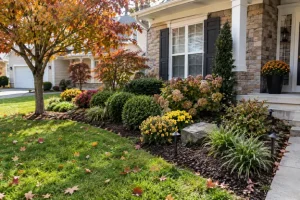
Imagine a brick walkway bordered by curved metal edging and dark mulch—it looks deliberate, neat, and easy to maintain. That’s the power of combining these tools effectively.
Common Mistakes to Avoid
Even simple landscaping techniques can go wrong if done hastily. Here are frequent errors to watch out for:
- Installing Edging Too Shallow: Leads to shifting and uneven boundaries.
- Over-Mulching: Too much mulch suffocates roots and holds excess moisture.
- Ignoring Weed Barriers: Without proper base prep, weeds find ways through mulch layers.
- Using the Wrong Edging Material: Heavy materials don’t suit gentle curves, while lightweight edges may fail in high-traffic areas.
- Color Clashing: Always ensure edging and mulch colors complement your home and existing hardscapes and landscaping ideas.
Creative Landscaping Ideas Using Edging and Mulching
Want to elevate your outdoor design? Here are some landscaping ideas that highlight edging and mulch:
- Stone Borders with River Rock Mulch: Perfect for a natural, low-maintenance look beside walkways.
- Brick Edging with Colored Mulch: Creates striking contrast and defines flower beds beautifully.
- Metal Edging Around Gravel Paths: Gives your hardscapes and masonry a clean industrial touch.
- Natural Log or Stone Edging: Excellent for rustic or woodland-inspired landscaping designs.
- Layered Mulch Beds: Combine bark mulch around shrubs with fine compost mulch beneath flowers for texture variety.
These thoughtful combinations bridge the gap between your living garden and solid hardscapes and landscapes, achieving a blended and professional finish.
Seasonal Maintenance and Long-Term Care
To keep your edging and mulch in top shape:
- Inspect twice a year — Early spring and late fall are ideal.
- Clean lines: Recut garden edges if grass overgrows or soil settles.
- Replenish mulch: Add fresh layers as needed to maintain both look and function.
- Watch water flow: Ensure rainfall drains well away from foundations or masonry.
- Repair damage: Realign or replace loose edging segments quickly to avoid shifting.
Routine care like this prevents erosion, weed intrusion, and uneven surfaces—preserving your investment for years to come.
Professional Landscaping and Hardscaping Integration
While DIY landscaping can be rewarding, professional services bring technical expertise that ensures your edging and mulch integrate perfectly with hardscapes and masonry structures. Professionals can:
- Design custom layout plans suited to soil and drainage patterns.
- Match materials and tones to existing architecture.
- Build long-lasting retaining systems and base layers.
- Optimize plant placement and mulch types for climate conditions.
If you’re planning a major project involving patios, walkways, or garden walls, expert input can save time, prevent costly mistakes, and deliver a cohesive hardscapes landscaping design that lasts.
Transform Your Yard Today with Hardscapes Landscaping
Your outdoor space deserves the same care and creativity as any room in your home. With the right garden edging and mulching, you can elevate your property’s appearance, protect your soil, and make your hardscapes and landscapes shine.
Whether you’re refreshing existing beds or building a brand-new landscape from scratch, professional design and installation can make all the difference in creating beautiful, long-lasting hardscapes landscaping.
Contact Hawkins Landscaping Inc. today for expert garden edging, professional mulching, and the seamless integration of elegant hardscapes and masonry into your yard.
Proudly serving Frederick County and surrounding areas for over 50 years, our experienced team specializes in creating clean, cohesive outdoor spaces that enhance curb appeal and function beautifully in every season. Whether you’re refining existing beds or completing a full landscape upgrade, we deliver craftsmanship and attention to detail that lasts.
Flexible financing options are available to help make your landscaping improvements more affordable and stress-free.
Call (301) 898-3615 or visit hawkinslandscaping.com to schedule your consultation today.
Let’s make your landscaping vision a reality—one perfectly defined edge at a time—with Hawkins Landscaping Inc., your trusted local landscaping experts.