As temperatures continue to rise across many regions, homeowners are facing a growing challenge: finding landscape ideas that protect their plants from heat stress while maintaining a beautiful outdoor space. Excessive heat can cause wilting, scorched leaves, reduced growth, and even plant death—especially in poorly designed landscapes.
The good news is that with the right landscape ideas for backyard design, you can create a cooler, more resilient environment that supports plant health and enhances outdoor comfort. From shade solutions to soil improvements, strategic landscaping can dramatically reduce heat stress while elevating your entire landscape garden.
In this guide, we’ll explore practical and innovative backyard landscaping techniques that help regulate temperature, conserve moisture, and create a thriving outdoor oasis—even during the hottest months.
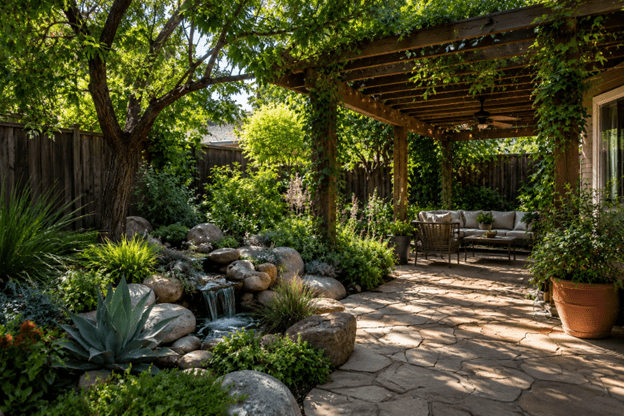
Understanding Heat Stress in Plants: The Foundation of Landscape Ideas
Before diving into solutions, it’s important to understand what causes heat stress in plants. Understanding these challenges is the first step toward creating effective landscape ideas that help plants thrive in extreme heat. When temperatures rise above a plant’s tolerance level, several issues can occur:
- Rapid water loss through transpiration.
- Root systems overheating in exposed soil.
- Sunburn damage on leaves and stems.
- Reduced nutrient uptake due to dry soil.
These conditions are often worsened by poor landscape design, such as lack of shade, compacted soil, or heat-retaining hardscapes.
Fortunately, smart landscape services and design strategies can address these issues effectively.
Incorporate Shade Structures for Immediate Relief
One of the most effective landscape ideas for backyard cooling is adding shade. Shade reduces direct sun exposure, lowers soil temperature, and slows evaporation.
Consider these options:
- Pergolas and arbors with climbing vines like wisteria or grape.
- Shade sails for flexible and modern coverage.
- Retractable awnings for patios and planting beds.
- Natural tree canopies for long-term cooling benefits.
Strategically placing shade structures over sensitive plants or garden beds can reduce temperatures by several degrees, significantly improving plant health.
Use Mulch to Retain Soil Moisture
Mulching is a simple yet powerful technique in any landscape garden. It acts as a protective barrier that keeps soil cool and moist.
Benefits of mulching include:
- Reducing soil temperature fluctuations.
- Preventing water evaporation.
- Suppressing weeds that compete for moisture.
- Improving soil structure over time.
Organic mulches such as bark, straw, or compost are especially effective. Apply a 2–4 inch layer around plants, making sure to keep mulch slightly away from stems to prevent rot.
Choose Heat-Tolerant and Native Plants
Selecting the right plants is a cornerstone of heat-resistant landscaping. Native and drought-tolerant plants are naturally adapted to local climate conditions and require less water and maintenance.
Popular heat-tolerant options include:
- Lavender and sage for fragrant, low-water gardens.
- Ornamental grasses like fountain grass or blue fescue.
- Succulents and cacti for dry, sunny areas.
- Native shrubs that thrive in your region’s soil and climate.
Incorporating these plants into your landscape ideas for backyard design ensures long-term sustainability and reduces stress on your garden.
Install Efficient Irrigation Systems
Watering plays a crucial role in preventing heat stress, but inefficient methods can waste water and fail to reach plant roots.
Drip irrigation and soaker hoses are ideal solutions because they:
- Deliver water directly to the root zone.
- Minimize evaporation.
- Provide consistent moisture levels.
- Reduce water runoff.
Automated irrigation systems can be programmed to water early in the morning or late in the evening, when evaporation rates are lowest.
Professional landscape services can help design and install customized irrigation systems tailored to your garden’s needs.
Add Ground Cover to Reduce Heat Absorption
Bare soil absorbs and radiates heat, contributing to higher temperatures around your plants. Ground cover plants act as living insulation, protecting soil and maintaining moisture.
Effective ground cover options include:
- Creeping thyme
- Clover
- Sedum varieties
- Moss in shaded areas
These plants not only cool the soil but also add texture and visual appeal to your landscape garden.
Incorporate Water Features for Natural Cooling
Water features are not just decorative—they also help cool the surrounding environment through evaporation.
Consider adding:
- Small fountains or bubbling features.
- Garden ponds with aquatic plants.
- Birdbaths that attract wildlife and provide hydration.
The presence of water can lower ambient temperatures and create a refreshing microclimate within your backyard.
Use Light-Colored and Permeable Hardscaping
Traditional hardscaping materials like dark concrete and asphalt absorb heat and radiate it back into your garden. This can significantly increase temperatures around plants.
Instead, opt for:
- Light-colored pavers or natural stone.
- Gravel pathways that allow airflow and drainage.
- Permeable materials that reduce heat retention.
These choices not only improve plant health but also enhance the comfort of your outdoor living space.
Create Windbreaks to Reduce Heat Stress
Hot, dry winds can accelerate water loss and damage plants. Installing windbreaks helps shield your garden and maintain a stable microclimate.
Effective windbreak options include:
- Hedges and dense shrubs.
- Fences with partial airflow.
- Vertical garden walls.
By reducing wind exposure, you help plants retain moisture and reduce stress during extreme heat.
Improve Soil Health for Better Resilience
Healthy soil is the foundation of a heat-resistant landscape garden. Soil rich in organic matter retains moisture more effectively and supports strong root systems.
Ways to improve soil include:
- Adding compost regularly.
- Avoiding over-tilling, which can dry out soil.
- Using cover crops to enhance soil structure.
Well-conditioned soil acts like a sponge, holding water and releasing it slowly to plants.
Design Layered Planting for Natural Shade
Layering plants of different heights creates a natural shading system that protects lower plants from direct sunlight.
For example:
- Tall trees provide canopy coverage.
- Medium shrubs offer mid-level shade.
- Ground covers protect soil at the base.
This layered approach mimics natural ecosystems and is one of the most effective landscape ideas for backyard cooling.
Incorporate Vertical Gardening
Vertical gardens are an excellent way to maximize space while reducing heat exposure on walls and surfaces.
Benefits include:
- Lowering wall temperatures.
- Providing shade for nearby plants.
- Improving air circulation.
Use trellises, green walls, or hanging planters to introduce vertical greenery into your backyard.
Strategic Plant Placement for Sun Management
Understanding how sunlight moves across your yard is key to effective landscape design.
Tips for optimal placement:
- Place sun-sensitive plants in shaded or partially shaded areas.
- Use taller plants to shield smaller ones.
- Group plants with similar water and light needs together.
This intentional layout reduces stress and improves overall garden performance.
Reduce Lawn Areas and Replace with Smart Alternatives
Traditional lawns require significant water and can struggle in extreme heat. Reducing lawn space can lower maintenance and improve sustainability.
Alternatives include:
- Xeriscaping with drought-tolerant plants.
- Decorative gravel or stone gardens.
- Native plant beds that require less irrigation.
These options align with modern landscape services focused on eco-friendly design.
Add Outdoor Structures for Dual Benefits
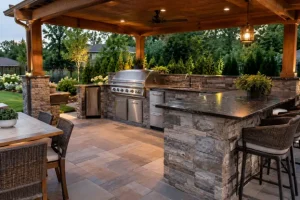
Structures like gazebos, pergolas, and covered patios not only enhance your outdoor living space but also provide essential shade for nearby plants.
These elements:
- Reduce direct sun exposure.
- Create cooler zones in your backyard.
- Enhance the usability of your outdoor area.
Combining aesthetics with function is key to a successful landscape garden.
Work with Professional Landscape Services
While DIY solutions can be effective, partnering with professional landscape services ensures a comprehensive approach to heat management.
Experts can:
- Assess your property’s unique conditions.
- Recommend suitable plants and materials.
- Design efficient irrigation systems.
- Implement sustainable landscape ideas for backyard transformation.
Professional guidance can save time, reduce costs, and deliver long-lasting results.
Landscape Ideas for a Cooler, Healthier Backyard
Creating a backyard that reduces heat stress on plants is not just about survival—it’s about thriving in challenging conditions. By integrating shade, water efficiency, smart plant selection, and innovative design, you can transform your outdoor space into a cool, inviting retreat.
Whether you’re updating an existing landscape garden or starting from scratch, these strategies will help you achieve a healthier, more sustainable environment.
Ready to Transform Your Backyard?
If you’re looking to implement these landscape ideas for backyard cooling and create a more resilient outdoor space, now is the perfect time to get started. Thoughtful landscaping can reduce heat, improve plant health, conserve water, and create a more comfortable environment for your family to enjoy all summer long.
Partner with the experts at Hawkins Landscaping Inc. to design a customized landscape that blends beauty, comfort, and long-term performance. From shade trees and drought-tolerant plantings to patios, drainage solutions, and outdoor living spaces, our team creates landscapes designed to thrive in the heat while enhancing your home’s curb appeal.
With over 50 years of experience serving Frederick County and surrounding areas, Hawkins Landscaping Inc. delivers expert craftsmanship, personalized designs, and dependable service for projects of every size.
Call (301) 898-3615 or visit hawkinslandscaping.com to schedule your consultation today. Ask about our flexible financing options and start building a cooler, healthier, and more beautiful backyard you’ll enjoy for years to come.