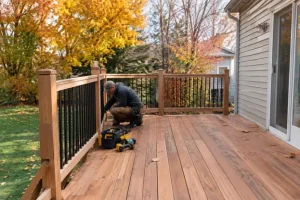
Winter weather can expose every weakness in a yard. Poor drainage becomes standing water or ice, thin lawns become muddy, loose pavers shift, irrigation lines freeze, and unprotected plants struggle through temperature swings. The best landscaping plans address these problems before winter arrives.
A well-organized fall plan does more than make the yard look tidy. It protects plants, strengthens soil, prepares outdoor living areas, improves drainage, and creates a healthier foundation for spring. Whether you are managing a small garden or a large property, the right landscaping services, seasonal care, and practical landscaping yard ideas can make the winter transition much easier.
This guide covers the landscaping projects to prioritize before winter. It includes lawn care, planting, drainage, mulch, hardscape, irrigation, outdoor furniture, seasonal cleanup, and professional planning. The goal is to help homeowners complete the work that matters most before freezing temperatures, snow, ice, and winter storms arrive.
Why Landscaping Plans Matter Before Winter
Winter can be hard on plants, lawns, patios, paths, irrigation systems, and outdoor furniture. Freezing water expands inside cracks and pipes. Wet leaves block drainage. Snow can flatten shrubs. Salt can damage plants and masonry. Soil can erode or compact when runoff is not controlled.
Fall landscaping plans help reduce these risks by preparing the yard before the ground freezes. The most important tasks involve water, soil, plants, hardscape, and safety.
A winter-ready landscape should have:
- Clear drainage routes.
- Healthy soil and protected roots.
- Strong lawn coverage.
- Mulched planting beds.
- Safe walkways and steps.
- Winterized irrigation.
- Protected outdoor furniture.
- Healthy trees and shrubs.
- Functional lighting.
- A clear maintenance plan.
Fall preparation is especially important for new plants. Trees, shrubs, and perennials may continue developing roots while air temperatures cool, but they need consistent moisture and protection from sudden weather changes.
Extension guidance recommends watering trees and shrubs during dry fall periods, applying mulch to protect roots from temperature swings, and avoiding heavy pruning while removing dead or damaged branches that could break during winter storms.
Start With a Property Assessment
Before beginning any project, walk around the yard after rain. Look at the landscape from the perspective of water, safety, and winter weather.
Check:
- Downspouts
- Gutters
- Lawn low spots
- Walkways
- Patio edges
- Retaining walls
- Trees and large shrubs
- Garden beds
- Irrigation heads
- Outdoor faucets
- Fire pits
- Decks
- Outdoor lighting
- Fences
- Storage areas
- Slopes
- Drain grates
Look for warning signs such as standing water, erosion, cracked pavers, loose steps, washed-out mulch, exposed roots, leaning walls, broken irrigation heads, dead branches, and bare lawn areas.
Take photographs. These photos will help you compare conditions in spring and can be useful if you hire landscaping services for drainage, design, tree care, hardscape, or irrigation work.
A fall property inspection should identify drainage problems, damaged hardscape, summer-stressed plants, irrigation issues, and areas that require winter protection. These findings can help guide your landscaping plans before winter.
1. Repair Drainage and Grading Problems
Drainage should be one of the first priorities in your landscaping plan. Water that pools near the house, runs across a patio, washes mulch into the lawn, or erodes slopes will only become more damaging during winter.
Inspect water flow after rain. Note where water collects, where it moves quickly, and where it exits the property. Check downspouts, drains, walkways, patios, driveways, and planting beds.
Possible solutions include extending downspouts, regrading low spots, creating shallow swales, adding a rain garden, installing a dry creek bed, repairing French drains, adding gravel drainage strips, or using permeable pavers.
Do not simply move water from one problem area to another. A proper drainage plan should direct water away from foundations and avoid sending runoff toward neighboring properties, sidewalks, septic systems, or unstable slopes.
September and fall are often recommended for drainage corrections because rain makes runoff patterns visible. Small grading adjustments, washout repairs, and downspout extensions should be part of your landscaping plans to protect beds and turf before winter wet weather begins.
For foundation water issues, major grading, deep drainage systems, steep slopes, or retaining walls, contact professional landscaping services. These projects may require specialized equipment, permits, or engineering.
2. Prepare the Lawn for Winter
A healthy lawn is better able to tolerate winter cold, snow cover, foot traffic, and spring weeds. Fall lawn care should focus on reducing compaction, improving coverage, managing leaves, and correcting problems that appeared during summer.
If the lawn feels hard, drains poorly, or has thin areas, consider core aeration. Aeration removes small plugs of soil and allows air, water, and nutrients to reach the root zone more easily.
For cool-season lawns, overseeding may help fill bare areas and improve density before spring. Use seed suited to your local climate, sun exposure, and expected use. Keep new seed consistently moist until it is established.
Fall lawn care may also include soil testing. A soil test can identify pH and nutrient needs. Do not apply fertilizer, lime, or other amendments without understanding the soil conditions and grass type.
Leaves should be removed or mulched regularly. Heavy layers of leaves can block light, trap moisture, and damage turf. Shredded leaves may be used as compost or mulch in garden beds if they are free of disease and pests.
Water-wise fall landscaping guidance recommends aerating compacted lawns, overseeding thin areas when appropriate, reducing irrigation as temperatures cool, and using mulch and leaves strategically to protect soil.
Continue mowing while grass is actively growing. Avoid scalping the lawn, but do not leave it excessively tall heading into winter.
3. Plant Trees, Shrubs, and Perennials
Fall is often a strong planting season because the soil remains warm even as air temperatures become cooler. This can help roots establish before next summer’s heat.
Consider adding:
- Native trees
- Evergreen shrubs
- Flowering shrubs
- Perennial borders
- Ornamental grasses
- Ground covers
- Pollinator gardens
- Privacy planting
- Fall-blooming flowers
- Small ornamental trees
Choose plants based on mature size, sunlight, soil moisture, hardiness, drainage, and maintenance needs. Avoid planting a shrub too close to a foundation, walkway, fence, utility line, or patio.
When planting trees, make sure the root flare remains visible above the final soil grade. Do not bury the trunk with soil or mulch.
Water new plants deeply after planting and continue through dry fall periods until the ground freezes. Deep, slow watering is often more effective than shallow, frequent watering because it encourages roots to grow downward.
North Carolina Extension notes that fall remains a good time to plant perennials, shrubs, trees, garlic, and cool-season crops. It also recommends applying mulch around new planting while keeping mulch away from trunks and stems.
4. Plant Spring Bulbs and Cool-Season Crops
Spring bulbs are one of the easiest ways to add future color to a landscape. Planting them in fall allows roots to establish before winter dormancy.
Good options include tulips, daffodils, crocuses, hyacinths, alliums, grape hyacinths, snowdrops, and scilla. Plant bulbs in groups or drifts rather than straight lines for a natural appearance.
Mark the locations of bulbs so you do not accidentally dig them up during spring planting.
Fall is also a productive time for cool-season vegetables in many regions. Depending on your climate, you may be able to grow spinach, kale, lettuce, radishes, garlic, and cover crops.
Cover crops can help protect exposed vegetable-garden soil from erosion and add organic matter when incorporated later. They are especially useful in beds that would otherwise remain bare through winter.
5. Refresh Mulch and Landscaping Borders
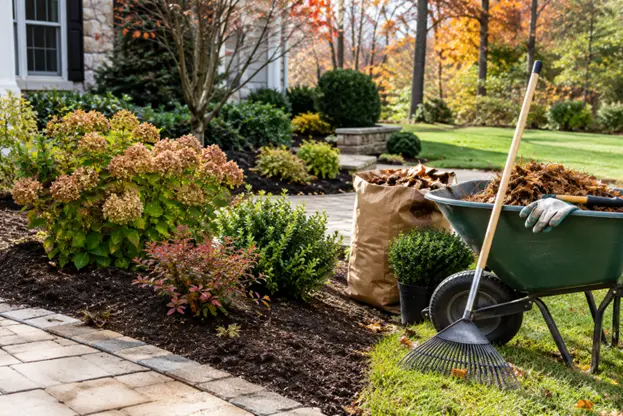
Mulch is one of the most useful materials for winter preparation. It helps protect plant roots from temperature swings, reduces weeds, limits moisture loss, and gives the garden a finished look.
Use mulch around trees, shrubs, perennials, vegetable beds, and planting borders. Common materials include shredded hardwood, pine bark, pine straw, leaf compost, and arborist wood chips.
Apply a moderate layer, usually around 2 to 3 inches in most planting beds. Keep mulch away from tree trunks, shrub stems, perennial crowns, siding, and drainage openings.
Avoid deep mulch piles around trees. These “mulch volcanoes” can trap moisture against the bark, attract pests, and damage the trunk.
Fall is also a good time to include border repairs in your landscaping plans. Reset loose brick, straighten metal edging, repair landscape blocks, define mulch beds, and keep gravel from spreading into lawn areas.
Clean, well-defined borders make it easier to manage leaves, snow, mulch, and garden maintenance through winter.
6. Protect Trees and Shrubs
Trees and shrubs need special attention before winter, especially new plantings, evergreens, thin-barked trees, and plants exposed to wind or wildlife.
Start by removing dead, broken, diseased, or hazardous branches. Avoid heavy pruning of healthy trees and shrubs in fall unless a specific plant requires it. Major pruning can stimulate tender growth or remove valuable winter structure.
Inspect mature trees for limbs that hang over roofs, driveways, patios, power lines, or walkways. A certified arborist should handle high branches, tree removal, and any work near utilities.
Young trees may benefit from trunk guards that protect against rodents, rabbits, deer, and winter sunscald. Use breathable materials and remove or adjust guards as needed.
Evergreens may need protection from drying winter wind. Burlap screens can reduce wind exposure, but do not wrap plants tightly in plastic or fabric that traps moisture.
Deep watering before the ground freezes can help trees and shrubs enter winter with adequate moisture. Extension advice recommends watering across the root zone, which may extend as wide as or wider than the plant canopy.
7. Clean Garden Beds Without Over-Cleaning
Fall cleanup should remove disease and hazards without stripping the landscape of all winter habitat and structure.
Remove:
- Diseased foliage
- Infected stems
- Rotting vegetables
- Fallen fruit
- Dead annuals
- Weeds that are setting seed
- Broken branches
- Collapsed plants blocking walkways
- Pest-infested debris
Healthy leaves and stems can often remain in the garden. Coneflowers, asters, sedum, ornamental grasses, and native perennials may provide seeds for birds and visual interest through winter.
Penn State Extension recommends removing annuals and kitchen-garden plant debris after frost while using cover crops or protective layers on empty beds.
Avoid composting diseased plant material unless you have a hot compost system capable of destroying pathogens.
Divide overcrowded perennials if appropriate for your region and plant type. Replant healthy divisions, water them well, and mulch lightly after the soil cools.
8. Winterize Irrigation and Outdoor Water Systems
Frozen water can damage irrigation pipes, backflow preventers, hoses, outdoor faucets, fountains, and pumps. Winterizing water systems is one of the most important fall projects.
Begin by reducing irrigation as temperatures cool. Most plants need less water in fall than in the height of summer, though new trees and shrubs may still need deep watering during dry spells.
Before freezing weather arrives:
- Shut off outdoor water supplies where appropriate
- Disconnect hoses
- Drain hoses and store them
- Empty watering wands and nozzles
- Protect backflow devices
- Drain or blow out irrigation lines
- Shut down fountains as recommended
- Remove and store pumps if required
- Empty rain barrels if necessary
- Inspect irrigation heads and valves
Water left inside hoses, faucets, or irrigation lines can freeze, expand, and cause expensive damage. Fall garden checklists consistently recommend disconnecting hoses, draining irrigation components, and protecting outdoor water systems before the first hard freeze.
If you are unsure how to winterize the sprinkler system, hire an irrigation professional. Improper use of compressed air can damage valves, fittings, sprinkler heads, and pipes.
9. Repair Walkways, Patios, and Hardscape
Fall is a good time to repair hardscape before winter ice, snow, and freeze-thaw cycles make small problems worse.
Inspect:
- Paver patios
- Stone paths
- Brick walkways
- Concrete steps
- Gravel paths
- Retaining walls
- Driveway edges
- Deck stairs
- Fire-pit areas
- Seating walls
- Landscape edging
Look for loose pavers, cracked concrete, open joints, uneven steps, washed-out gravel, leaning blocks, shifting edges, and low areas that hold water.
Reset loose pavers, refill joints, repair cracked edging, stabilize gravel, clean moss and algae from paths, and repair unsafe stair treads or railings.
Water that enters cracks, joints, or base material can freeze and expand. This can lead to more serious movement or surface damage during winter.
Hardscape should also be cleaned before winter. Remove leaves, dirt, mulch, and organic debris from paver joints, drains, steps, and channels. Wet leaves can stain hardscape and create slippery surfaces.
For major patio settlement, retaining-wall repairs, drainage problems, or structural stair issues, contact professional landscaping services.
10. Protect Outdoor Living Areas
Patios, decks, pergolas, fire pits, outdoor kitchens, and furniture need preparation before winter weather arrives.
Start with furniture. Clean frames, wash cushions, allow everything to dry, and store cushions indoors or in a dry, ventilated storage box. Use breathable covers for furniture that remains outdoors.
Avoid covering wet furniture tightly with plastic tarps. Trapped moisture can lead to mildew, stains, rust, and fabric damage.
Inspect fire features. Remove ash from wood-burning pits after it has cooled completely. Check gas connections, burners, ignition systems, and covers. Keep leaves, mulch, furniture, and fabrics away from fire features.
For outdoor kitchens, clean grills, empty grease trays, shut off water lines where needed, and cover appliances with manufacturer-approved covers.
Check pergolas, awnings, and shade structures. Secure or remove fabric panels, curtains, umbrellas, and lightweight accessories before strong wind or snow. Inspect posts, fasteners, and drainage around the structure.
Your landscaping plans for outdoor living areas should cover cleaning, storing cushions and décor, winterizing water components, checking fire features, and protecting furniture from moisture and wind.
Create a Winter Preparation Schedule
A simple schedule can help keep your landscaping plans on track and ensure important work is completed before freezing weather arrives.
Early fall
Focus on lawn aeration, overseeding, drainage observations, tree and shrub planting, perennial divisions, and early hardscape repairs.
Mid-fall
Plant bulbs, refresh mulch, clean vegetable beds, repair borders, inspect irrigation, and continue watering new plants during dry periods.
Late fall
Winterize irrigation, disconnect hoses, store furniture cushions, inspect fire features, clean gutters, remove diseased plant material, repair unsafe paths, and protect sensitive plants.
Before the first hard freeze
Drain outdoor water systems, cover or store delicate outdoor items, clear drains, secure shade structures, check lighting, protect exposed plants, and prepare snow-removal routes.
Common Mistakes to Avoid
- Avoid waiting until the first freeze to winterize irrigation. Frozen pipes and hoses can create damage before you have time to react.
- Avoid heavy pruning of healthy shrubs and trees in fall. Remove dead or hazardous branches, but save major shaping for the correct season.
- Avoid leaving thick layers of leaves on lawns, patios, paths, and drains. Leaves can smother turf, trap moisture, create slipping hazards, and block water flow.
- Avoid planting without checking mature size, drainage, and sun exposure. Fall is a good planting season, but poor plant placement still creates future problems.
- Avoid applying too much mulch. More mulch does not mean more protection. Keep mulch at a moderate depth and away from trunks and stems.
- Avoid ignoring recurring water problems. If the yard floods, erodes, or pools near the house, correct the drainage issue before winter.
When to Hire Landscaping Services
Many fall tasks are manageable for homeowners, including leaf cleanup, mulch refreshes, basic planting, furniture storage, and simple container arrangements.
Professional landscaping services are valuable when the project involves:
- Major drainage correction
- Landscape grading
- Retaining-wall repair
- Tree pruning or removal
- Large tree planting
- Irrigation winterization
- Paver patio repair
- Outdoor lighting
- Native planting design
- Erosion control
- Hardscape construction
- Water-feature winterization
- Complete landscaping design
A professional can help organize these individual fall tasks into landscaping plans that support your property’s long-term needs. For example, correcting drainage now may prepare a site for a patio next spring. Installing native shrubs this fall may create the structure for a future pollinator garden. Repairing a walkway may improve access to a future fire-pit area.
Prepare Your Yard for Winter With Smart Landscaping Plans
A winter-ready yard begins with smart planning in fall. Focus first on drainage, irrigation, plant protection, lawn care, hardscape repairs, and outdoor safety. Then add the details that make your landscape attractive through winter, including mulch, evergreen structure, ornamental grasses, lighting, and clean borders.
Ready to protect and improve your property before freezing weather arrives? Fall is the perfect time to put your landscaping plans into action and prepare your outdoor spaces for winter. From drainage problems and planting to hardscape repairs, irrigation winterization, and landscape lighting, taking care of these details now can help prevent bigger issues later.
At Hawkins Landscaping Inc., our professional landscaping services can help you prepare your property with a practical plan tailored to your home and outdoor spaces. We can assist with drainage solutions, seasonal planting, hardscape improvements, irrigation winterization, lighting, and complete landscaping design.
With the right planning and practical landscaping ideas, your yard can enter winter healthier, safer, and more organized—while being better prepared for a strong spring.
Ready to get your property winter-ready? Call (301) 898-3615 or visit Hawkins Landscaping Inc. to schedule your consultation. Ask about flexible financing options for your outdoor project.