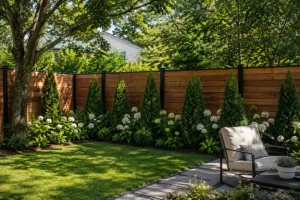
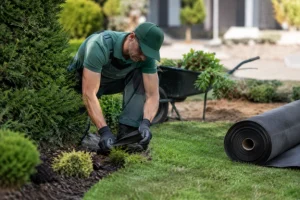
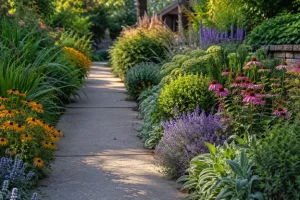
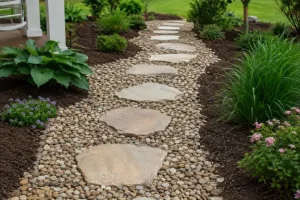
There’s something magical about spring. The air feels lighter, the days grow warmer, and gardens come alive with color. For homeowners, it’s the perfect time to refresh outdoor spaces with beautiful spring flower bed landscaping design that brings curb appeal and joy.
Whether your goal is to boost property value, attract pollinators, or simply create a picturesque space to enjoy, thoughtful landscaping ideas make all the difference. From choosing the right landscaping plants to designing clean landscaping edging, every detail helps your yard bloom into its full potential.
This guide will walk you through how to design stunning spring flower beds — with easy, beginner-friendly steps and inspiration you can apply to any home.
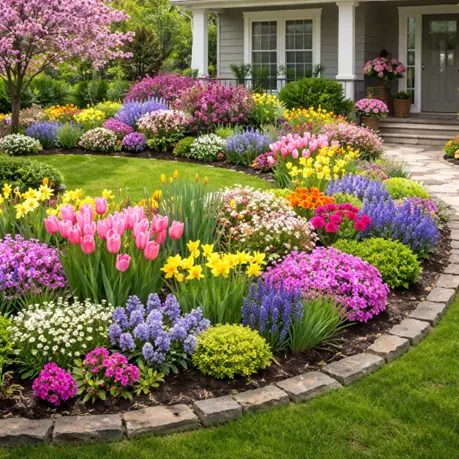
Why Spring Is the Best Time for Flower Bed Landscaping Design
Spring is when nature wakes up — and your garden should, too. The season’s mild temperatures and frequent rains create ideal conditions for flower bed landscaping design, allowing roots to establish easily.
Here’s why it’s the perfect season for outdoor makeovers:
- Easier planting: Cooler soil and gentle sun help new plants thrive.
- Brighter colors: Spring-blooming flowers like tulips, daffodils, and pansies create visual energy.
- Improved mood & curb appeal: Fresh greenery and vibrant flowers instantly uplift any space.
- Landscape reboot: It’s a chance to fix problems from winter damage and redefine your garden layout.
With the right plan, your spring garden can stay beautiful well into summer and beyond.
Step 1: Start with a Clear Landscape Plan
Good landscaping design begins with a clear vision. Take a walk around your property and observe how sunlight, shade, and soil conditions vary. Note which areas get full sun, partial shade, or stay damp longer — these details will determine what landscaping plants grow best.
Ask yourself:
- What parts of the yard need more color or shape?
- Do I want low-maintenance flower beds or seasonal change?
- How does the space complement my home’s exterior design?
Sketch a simple layout or use an online garden planner to visualize different landscaping ideas before breaking ground.
Step 2: Choose the Right Landscaping Plants
Selecting the perfect mix of landscaping plants is both art and science. You’ll want a blend of colors, textures, and bloom times to keep interest high throughout the season.
Here are top spring flower picks that thrive in most regions:
- Tulips: Classic spring icons with countless colors — great for layering in rows.
- Daffodils: Bright yellow blooms that signal winter’s end and multiply each year.
- Hyacinths: Fragrant and vibrant; perfect for borders or near doorways.
- Pansies & Violas: Hardy flowers that tolerate cool weather.
- Peonies: Large, romantic blossoms that create a luxurious feel.
- Daylilies: Low maintenance and long-lasting color all summer.
- Hostas: Excellent for shaded flower beds with large decorative leaves.
- Lavender: Offers fragrance, texture, and pollinator attraction.
- Coneflowers & Black-eyed Susans: Strong perennials that bloom through summer.
Pro tip: Mix perennials (return each year) with annuals (seasonal flowers) for consistent variety.
Example combination: Plant tulips and daffodils for early spring, then layer zinnias or impatiens in between to take over in late spring.
Step 3: Pay Attention to Color and Texture Balance
A balanced spring flower bed landscaping design isn’t just about color — it’s about harmony. Use the color wheel as a guide for combinations that please the eye.
Color tips:
- Pair complementary colors (purple and yellow, pink and green) for high contrast.
- Use monochrome tones (various pinks or blues) for calm, cohesive spaces.
- Add white blooms as “visual rest” between bold colors.
Texture tips:
- Combine soft petals with spiky foliage for visual depth.
- Use large-leaved plants near smaller flowers to create contrast.
- Vary plant heights to add vertical dimension.
The goal is to design a flower bed that looks layered and dynamic from every angle.
Step 4: Create Defined Borders with Landscaping Edging
Proper landscaping edging gives your flower beds a finished, professional appearance. Edging also prevents grass from creeping into beds and keeps mulch neatly contained.
Popular edging options include:
- Stone edging: Natural and timeless, adds strength and style.
- Brick borders: Great for traditional homes and structured gardens.
- Metal edging: Thin, modern look that’s durable and easy to shape.
- Plastic edging: Affordable and flexible for curved flower beds.
- Living edging: Use low groundcovers like creeping thyme for a soft, natural border.
Installing edging helps separate different areas of your yard, like flower beds, walkways, and lawns — giving everything a tidy, intentional look.
Step 5: Layer Your Flower Bed
The best gardens have a sense of flow and fullness. Layering plants creates that effect. Arrange flowers in three simple zones:
- Back layer (tall plants): Shrubs, ornamental grasses, or taller blooms like foxgloves.
- Middle layer (medium plants): Peonies, daisies, or coneflowers.
- Front layer (short plants): Pansies, creeping phlox, or decorative groundcovers.
This arrangement draws the eye naturally from front to back, creating depth in your landscaping design.
Example visual:
Imagine a gentle curve of yellow daffodils at the back, lavender in the middle, and purple pansies up front — instantly bright, balanced, and inviting.
Step 6: Add Mulch for Protection and Style
Mulch might seem simple, but it’s crucial for keeping flower beds healthy and attractive in your landscaping design. It conserves moisture, blocks weeds, and maintains soil temperature.
Best options for spring landscaping:
- Organic mulch: Shredded bark, wood chips, or compost — natural look and improves soil.
- Colored mulch: Red, brown, or black tones can highlight your plant colors.
- Gravel or pebbles: Ideal for modern beds and dry landscapes.
Apply 2–3 inches of mulch after planting, but keep it away from stems to prevent rot.
Step 7: Incorporate Decorative Elements
Spring gardens become unforgettable when personality shines through. Small design touches make a big impact.
Inspirational landscaping ideas:
- Add pathway lighting for evening ambiance.
- Include a birdbath or small water feature for serenity.
- Use garden statues or decorative pots for character.
- Install trellises for climbing roses or sweet peas.
- Arrange a small garden bench or swing for relaxation.
Combining plants with decorative elements gives your outdoor space story and charm — a place that feels truly yours.
Step 8: Smart Irrigation and Maintenance
To keep spring blooms thriving, establish good watering and care habits early.
Simple maintenance tips:
- Water deeply in the morning, two to three times weekly.
- Trim spent flowers (deadheading) to encourage new blooms.
- Fertilize lightly every 4–6 weeks during active growth.
- Remove weeds weekly to maintain a manicured look.
- Refresh mulch mid-season if it thins.
If you want a low-maintenance setup, consider a drip irrigation system. It delivers water directly to roots and saves time and resources.
Trending Landscaping Ideas for Spring 2026
Trends in landscaping design shift each year, and 2026 is all about blending beauty with sustainability. Here are a few spring trends capturing attention right now:
- Pollinator-friendly gardens – Including native flowers like coneflowers and asters attracts bees and butterflies naturally.
- Color-block flower beds – Planting large groups of single-color blooms creates a powerful visual effect.
- Edible landscaping – Mixing herbs or edible flowers (like nasturtiums) among ornamentals.
- Smart watering systems – Eco-friendly underground or app-controlled irrigation.
- Eco edging materials – Using recycled stones, reclaimed bricks, or natural bamboo edging.
Adding Structure with Shrubs and Perennials
While flowers bring seasonal color, shrubs and perennials provide a steady framework that lasts through multiple seasons. In terms of landscaping design, these structural plants are essential for creating depth and consistency throughout the year.
Best spring-friendly shrubs and perennials:
- Boxwood: Great for neat, low hedges.
- Hydrangeas: Bloom beautifully in late spring and summer.
- Azaleas: Explosive spring color and low care.
- Salvia: Purple spikes that attract hummingbirds.
- Hostas: Reliable leafy texture for shaded beds.
- Coral Bells: Striking foliage color all year.
These structural plants can serve as natural landscaping edging or background anchors behind your beds.
Boosting Curb Appeal with Thoughtful Design
A well-designed flower bed enhances more than just your yard — it transforms your whole home. Real estate surveys consistently show that attractive landscaping can boost property value by 10–15%.
Curb appeal boosters:
- Symmetrical flower beds along walkways or driveways.
- Mix of perennials for long-term growth.
- Defined landscaping edging for polished appearance.
- Coordinated colors that match your home’s exterior trim or roof.
First impressions matter, and spring is the season when buyers, neighbors, and guests notice the most.
Common Flower Bed Design Mistakes (and How to Avoid Them)
Even the best landscaping ideas can go wrong without planning. Here are pitfalls to steer clear of:
- Overcrowding plants: Leave room for growth to prevent crowding and disease.
- Ignoring sunlight needs: Match flowers with appropriate sun or shade levels.
- Flat layouts: Add variation in height for depth.
- Skipping edging: Messy borders reduce visual appeal.
- Poor maintenance: Even the best design fades without regular care.
A little planning prevents a lot of frustration down the line.
Easy DIY Flower Bed Layouts
If you’re new to gardening, start simple. Here are three easy landscaping design ideas perfect for small to mid-sized spaces:
1. Curved Front Yard Bed
Create a gentle wave along walkways or driveways with tulips, daffodils, and pansies edged by stone or brick.
2. Corner Garden Bed
In backyard corners, combine peonies, hostas, and lavender with metal landscaping edging for structure and fragrance.
3. Mixed Cottage Bed
Blend daisies, coneflowers, and salvias in free-form clusters for a casual, natural look.
All three layouts can scale up or down depending on your yard size — and each brings timeless spring charm.
The Role of Professional Landscaping
While DIY projects are rewarding, professional landscapers can elevate your space with expert planning, plant selection, and construction.
Benefits of hiring a professional:
- Access to high-quality landscaping plants and materials.
- Long-term maintenance plans to keep your garden thriving.
- Expert landscaping edging installation that lasts.
- Custom designs tailored to your home’s architecture and lighting.
Professionals can turn your ideas into polished, cohesive creations that save time and money over the long run.
Sustainability in Spring Landscaping
Eco-friendly practices are reshaping how homeowners approach landscaping design. Sustainable flower bed design not only protects the environment but also creates healthier, more resilient gardens.
Sustainable ideas:
- Use native plants that adapt naturally to local conditions.
- Collect rainwater for irrigation.
- Apply organic compost instead of synthetic fertilizer.
- Opt for biodegradable mulch and natural edging materials.
- Avoid overwatering — monitor soil moisture before sprinkling.
With these habits, your spring garden can stay eco-conscious and low-maintenance all season.
Small Space Flower Bed Ideas
Even if you have a compact yard, balcony, or townhouse courtyard, you can still enjoy spring flowers.
Creative solutions:
- Use raised garden boxes to define small spaces.
- Stack vertical planters or wall pots for height.
- Incorporate mini pebble paths for texture.
- Edge flower boxes with decorative stones or tiles.
- Choose compact landscaping plants like marigolds, alyssum, or dwarf lavender.
Small gardens often feel more intimate and charming — proof that balance matters more than size.
Final Flourish: Lasting Impact of Your Landscaping Design
As your spring flower beds start to bloom, pay attention to the finishing details. Clean borders, neat mulch lines, and thoughtful color transitions will make your landscaping photography-worthy.
Lighting is another finishing element worth including. Solar path lights, string lights around borders, or spotlights highlighting focal trees make your garden usable and magical at night.
Adding these small but powerful touches turns your outdoor space into a welcoming retreat you’ll love for months.
This spring, transform your yard with a creative, colorful, and well-planned flower bed landscaping design that brings out your home’s full beauty. From selecting the right landscaping plants to installing durable landscape edging, the perfect design can turn an ordinary lawn into a breathtaking outdoor showcase.
At Hawkins Landscaping Inc., we specialize in custom landscaping ideas tailored to your space, lifestyle, and budget. With over 50 years of experience serving Frederick County and surrounding areas, our expert designers and installers create vibrant, low-maintenance gardens that bloom beautifully season after season while enhancing your home’s curb appeal and long-term value.
From fresh spring plantings and mulch installation to complete landscape renovations, we handle every detail with precision and care. Flexible financing options are available to help make your project more affordable.
Call (301) 898-3615 or visit hawkinslandscaping.com to schedule your FREE consultation and see how we can bring your vision to life this spring!