Winter may feel long and quiet, but beneath the frost, your yard is resting and waiting for a fresh start. Before the first warm days arrive, it’s the perfect time to think, dream, and plan your landscaping design for spring. A well-thought-out plan now means a smoother, more successful start when the temperatures rise.
Whether you want to transform your backyard into a peaceful retreat, refresh your front yard’s curb appeal, or add colorful landscaping plants, winter planning sets the stage for outdoor beauty. Let’s explore how to make the most of this planning season with inspiring landscaping ideas, practical design steps, and expert tips for your landscaping and lawn.

Why Winter Is the Perfect Time to Plan a Landscaping Design
Many homeowners assume winter is an “off-season” for landscaping, but it’s actually a strategic time to prepare your landscaping design. Here’s why planning now pays off later:
- More Time to Brainstorm: Without the rush of busy spring chores, you can carefully visualize how your ideal landscaping yard will look.
- Better Availability: Landscapers, nurseries, and design professionals often have more time to consult and schedule projects during winter.
- Early Access to Materials: Ordering hardscaping materials like pavers, stones, or mulch early ensures your project can start right on time.
- Smart Budgeting: Planning ahead lets you break your project into phases and manage costs without stress.
- Healthier Plant Choices: By researching and pre-ordering, you get first pick of fresh, healthy landscaping plants before spring crowds arrive.
Planning early is like planting a seed—you’re setting your vision in motion and giving it time to flourish.
Step 1: Evaluate Your Current Yard
Before creating new landscaping ideas, take stock of what you already have. Walk through your property with a pen and notebook or take photos from different angles. Ask yourself:
- Which areas feel empty or need improvement?
- Are there drainage issues or spots that stay muddy after rain?
- How much sunlight does each area receive?
- What parts of your landscaping and lawn get the most use?
These small observations will help you make informed design choices later and strengthen your overall landscaping design.. You’ll know where to add shade trees, flower beds, or hardscapes—and where to simplify your layout.
Example: Maybe your backyard has a patch that never grows grass because it’s too shady. Instead of fighting it, plan a stone path or a decorative seating nook under those trees.
Step 2: Create Your Landscaping Vision
Now comes the fun part—imagining how your yard could look when winter fades into spring. Start by gathering landscaping ideas to match your home’s style and lifestyle. Here are a few design directions to consider:
- Classic and Clean: Structured hedges, organized flower beds, and a balanced front walkway.
- Natural Retreat: Flowing garden beds, native landscaping plants, and curved pathways that look organic.
- Modern Minimalist: Sharp lines, simple green lawns, gravel sections, and clean hardscape features.
- Cottage Charm: Bright flowers, winding stone borders, and plenty of texture from perennials and vines.
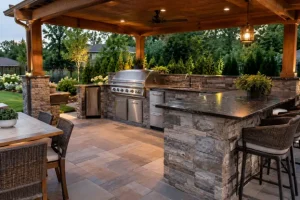
- Outdoor Entertainer: Fire pits, patios, or outdoor kitchens shaded by pergolas and framed with low-maintenance plants.
Creating a mood board using apps or Pinterest can help you visualize the colors, textures, and shapes you want. The goal is to connect the style of your home with your outdoor design so your landscaping design feels cohesive and your landscaping yard feels like an extension of your living space.
Step 3: Choose Landscaping Plants That Fit Your Climate
No landscaping plan is complete without plants—and winter is the time to decide which ones belong in your yard. Choosing seasonally appropriate landscaping plants means less maintenance and healthier growth year-round.
Here’s how to select wisely:
- Know Your Zone: Check the USDA Plant Hardiness Zone Map to identify which plants thrive in your region.
- Mix Perennials and Annuals: Perennials return every year, while annuals add color and variety each season.
- Plan for Every Season: Include early-spring bloomers, summer color plants, and shrubs that keep structure through winter.
- Think About Size and Spread: Account for each plant’s future growth so it doesn’t overcrowd others or block views.
Example Plant Combinations
- Sunny Area: Black-eyed Susans, ornamental grasses, lavender.
- Shady Corner: Hostas, ferns, and hydrangeas.
- Dry Areas: Sedum, Russian sage, or yucca.
- Wet Spots: Iris, daylilies, and swamp milkweed.
By planning your plant palette now, you can order seeds or shrubs early and be ready to plant the moment frost lifts.
Step 4: Design a Functional Landscape Layout
Every great landscaping design balances beauty and purpose. Sketch a simple layout showing where lawns, flower beds, patio areas, and walkways will go.
Here’s what to consider as you design:
- Traffic Flow: Keep pathways wide enough for comfort and accessibility.
- Focal Points: Add visual anchors like a water feature or a standout tree.
- Outdoor Rooms: Divide large yards into purposeful zones—grilling, relaxing, gardening, or play areas.
- Balance of Green and Hardscape: Use both plants and structural elements to create interest and contrast.
A Simple Layout Example
Imagine your backyard as a rectangle. The center could hold your landscaping and lawn, framed by flower beds along the edges. One corner might host a patio with a fire pit, and another could feature raised garden beds lined with stone. Every element has a place and flows naturally together.
Step 5: Add Hardscaping Elements for Structure
Winter planning is ideal for deciding on hardscaping—the built parts of your landscaping design such as patios, walls, pathways, and borders. Hardscaping adds structure year-round, even when plants are dormant.
Popular hardscape materials include:
- Brick or stone pavers for patios and walkways
- Retaining walls for sloped yards
- Gravel paths for a rustic look
- Decorative boulders or landscape edging
- Fire pits or water features for gathering spots
These features define the shape of your landscaping yard and make it usable in every season. If you plan now, your contractor can install hardscapes early in spring—before summer heat or fall projects crowd their schedule.
Step 6: Consider Drainage and Lawn Health
While aesthetics matter, function comes first. A beautiful yard can’t shine if poor drainage causes puddles or patchy lawn growth. Winter is perfect for assessing your landscaping and lawn drainage system because melting snow and rain reveal problem areas.
Tips for better drainage:
- Grade soil so water naturally flows away from your house.
- Add French drains or dry creek beds in soggy spots.
- Use permeable pavers instead of concrete where possible.
- Aerate compacted soil to improve root health.
Pair drainage work with lawn care planning. Think ahead about seeding, dethatching, or fertilizing schedules. Healthy grass will make your entire landscape design pop with color and life in spring.
Step 7: Plan for Outdoor Lighting
You can design the most stunning landscaping layout, but without lighting, its charm fades at night. Thoughtful lighting enhances your landscaping design and highlights the beauty of your landscaping ideas after dark.
Accent lighting options:
- Path Lights: Guide guests and define walkways.
- Uplights: Highlight trees or architectural details.
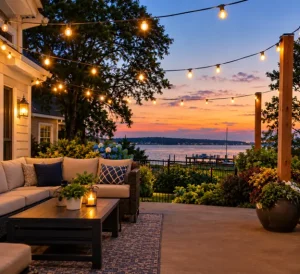
- String Lights: Create a cozy atmosphere on patios or pergolas.
- Spotlights: Illuminate key garden features like sculptures or water fountains.
Lighting improves both ambiance and safety while expanding the hours you can enjoy your yard.
Step 8: Set a Timeline and Budget
One advantage of winter planning is being able to spread out expenses. Setting a clear timeline ensures your landscaping design stays organized and manageable from start to finish. Break down your project into manageable phases:
- Spring: Install hardscaping and plant trees or shrubs.
- Early Summer: Add perennials, lawn seeding, and finishing touches.
- Late Summer/Fall: Incorporate mulch, install irrigation, and plan next year’s improvements.
This step-by-step approach keeps your landscaping and lawn projects realistic without overwhelming your time or budget.
Pro Tip: Many landscapers offer winter discounts for early scheduling, so locking in your project now can save you money later.
Step 9: Think Sustainability and Low Maintenance
Modern homeowners want beauty and efficiency. Sustainable landscaping isn’t just good for the planet—it can save time and reduce long-term costs.
Here are ways to design with sustainability in mind:
- Choose native plants that need less watering and fertilizer.
- Install drip irrigation systems instead of sprinklers.
- Use mulch to retain soil moisture and reduce weeds.
- Include rain gardens to manage runoff naturally.
- Replace unused lawn areas with ground covers or gravel beds.
A well-planned eco-friendly yard thrives with minimal upkeep and supports local wildlife such as bees and butterflies.
Step 10: Envision the Finishing Touches
Once the foundation of your landscaping design is set, focus on small but powerful details that make your yard feel complete.
Finishing ideas include:
- Seasonal flower planters by the front entry.
- Garden art or decorative pots for bursts of personality.
- Outdoor furniture for comfort and style.
- Edging materials to create clean lines around beds.
- Birdbaths or feeders to attract nature’s beauty.
These finishing touches elevate your landscaping yard into a welcoming retreat—one that feels intentional and inviting, no matter the time of year.
Expert Landscaping Ideas for Every Space
Even if you only have a small yard, there are countless ways to create charm and functionality within your overall landscaping design. Below are landscape ideas for different yard sizes and goals.
Small Yards
- Use vertical planters or trellises for climbing plants.
- Replace bulky shrubs with dwarf varieties.
- Add a small water feature like a bubbling fountain for sound and movement.
- Stick to a cohesive color palette to create flow.
Large Yards
- Divide zones with pathways and natural borders.
- Include shade trees for structure and long-term comfort.
- Blend open lawn areas with wildflower meadows for easy upkeep.
- Incorporate multiple seating areas for gatherings.
Sloped Yards
- Use retaining walls or terraces for stability.
- Plant ground covers such as creeping thyme or vinca minor.
- Install steps or stepping stones to safely navigate elevation changes.
Front Yard Curb Appeal
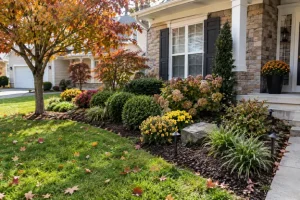
- Frame your entryway with symmetrical plantings.
- Add lighting along the walkway for a polished look.
- Keep grass trimmed and healthy for a fresh appearance.
- Choose statement landscaping plants like ornamental grasses or hydrangeas to define your home’s personality.
Common Landscaping Mistakes to Avoid
Avoiding pitfalls early ensures your landscaping and lawn stay beautiful and practical year-round while protecting the long-term success of your landscaping design.
- Skipping the Planning Stage: Rushing into planting can lead to spacing or drainage problems later.
- Ignoring Sun Exposure: Putting sun-loving plants in shade (or vice versa) stunts growth.
- Overcrowding Plants: Give them room to mature, or you’ll end up thinning your beds too soon.
- Forgetting Maintenance Needs: Choose plants and materials that fit your lifestyle and available time.
- Neglecting Soil Health: Healthy soil equals thriving plants. Test and enrich it before planting.
Avoiding these missteps saves time, money, and unnecessary frustration.
Seasonal Landscaping Preparation Guide
Winter:
- Prune dormant trees and shrubs.
- Sketch your landscaping design and gather inspiration.
- Maintain tools and plan spring supply lists.
Early Spring:
- Clear debris, rake the lawn, and edge garden beds.
- Begin installing hardscape features before the ground fully warms.
- Start planting cool-season annuals.
Late Spring:
- Fertilize your lawn and apply mulch.
- Plant warm-season flowers and vegetables.
- Set up irrigation and test outdoor lighting.
Summer:
- Maintain watering and weeding schedules.
- Enjoy your outdoor spaces—host gatherings or relax in your finished yard.
- Take notes on improvements for next year.
Landscaping and Lawn Trends for 2026
The latest trends show that homeowners want comfort, sustainability, and personality in their landscapes. Here are a few to consider:
- Edible Gardens: Blending herbs, fruit, and vegetables into decorative garden beds.
- Pollinator-Friendly Spaces: Designing gardens for bees, butterflies, and hummingbirds.
- Natural Stone Hardscapes: Using mixed textures for organic yet elegant patios.
- Outdoor Living Rooms: Combining fire pits, shaded seating, and weather-resistant furniture.
- Native Landscapes: Relying on local, resilient plants for environmental harmony.
Following these trends ensures your landscaping ideas stay fresh and future-proof.
Bring It All Together: Your Landscaping Design From Vision to Reality
By the time winter ends, you can have a full, detailed landscaping plan ready to bring to life. You’ll have mapped your layout, chosen your materials, picked your landscaping plants, and set your schedule. When spring arrives, you’ll be ready to dig in—literally—and transform your vision into reality.
Your winter effort ensures your landscaping yard bursts into color and energy the moment warmer weather hits. It’s not about rushing the seasons; it’s about being prepared to enjoy every moment of the next one.
Ready to transform your yard this spring? Don’t wait for the snow to melt—now is the perfect time to start planning your landscaping design.
Hawkins Landscaping Inc., proudly serving Frederick County and surrounding areas for over 50 years, provides customized landscaping ideas and detailed planning for your lawn and outdoor spaces. From early design consultations to full landscape and lawn improvements, their experienced team helps ensure your yard is ready to bloom with beauty the moment winter fades.
Flexible financing options are available to help you plan with confidence.
Call (301) 898-3615 or visit hawkinslandscaping.com to schedule your spring landscaping design today.
Plan ahead, beat the rush, and enjoy a vibrant, beautifully designed yard this spring—with Hawkins Landscaping Inc., your trusted local landscaping experts.