Early fall is one of the best times to put landscape ideas into action in a backyard. The weather becomes more comfortable, outdoor entertaining often continues well into the season, and cooler conditions can make it easier for many trees, shrubs, and perennials to establish roots. More importantly, practical backyard upgrades can make a property feel more functional, polished, and appealing to future buyers—without requiring a complete renovation.
The best backyard designs do more than add seasonal color. They improve how the yard works: clearer paths, usable gathering areas, healthier planting beds, better drainage, low-maintenance materials, and lighting that extends the use of the space after sunset. A well-designed patio, outdoor living zone, or garden structure can be especially appealing because it turns unused square footage into a destination.
This guide covers 15 early fall landscape ideas for backyard spaces, including practical upgrades, durable landscape materials, and smart landscape design choices that can improve everyday enjoyment and long-term property appeal.
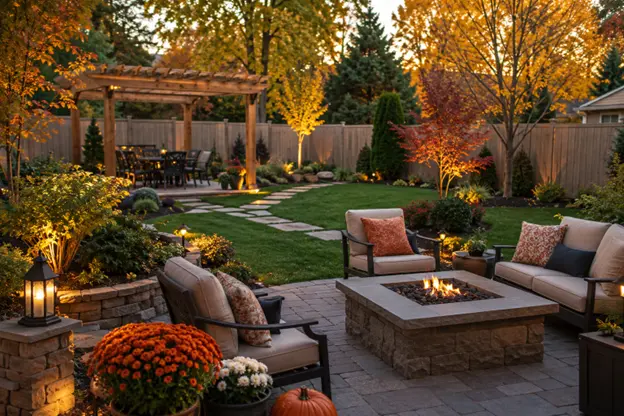
Why Early Fall Is a Smart Time for Landscape Ideas
Early fall offers a practical balance of warm days, cooler evenings, and fewer heat-related stresses than midsummer. It is an ideal time to assess what worked in the yard over summer and identify areas that need improvement before winter.
A backyard refresh in early fall can help you:
- Extend the outdoor entertaining season.
- Prepare planting beds for cooler weather.
- Repair worn lawn or damaged hardscape.
- Improve drainage before seasonal rain or snow.
- Add lighting for shorter days.
- Upgrade patios, paths, and gathering areas.
- Plant trees and shrubs when conditions are favorable.
- Refresh mulch and garden borders.
- Create a more attractive, organized outdoor environment.
Outdoor living areas, dining patios, raised gardens, fresh mulch, and fire pits are commonly cited as landscape projects that can make a home and yard more appealing. These landscape ideas can also improve how the backyard functions and feels throughout the year. One expert estimate cited by Southern Living places a fire pit’s potential resale contribution in the range of $3,000 to $8,000, though actual outcomes vary significantly by property and market.
1. Build or Refresh a Paver Patio
A patio is one of the most valuable additions to a backyard because it creates usable outdoor living space. It gives homeowners a dedicated place for dining, lounging, grilling, and entertaining.
Popular patio landscape materials include:
- Concrete pavers
- Natural flagstone
- Bluestone
- Brick pavers
- Porcelain pavers
- Gravel with large stepping stones
- Stamped concrete
2. Create a Defined Outdoor Dining Area
A backyard dining area makes a patio feel purposeful. It does not need to be elaborate; even a compact table, comfortable chairs, string lights, and a defined surface can create a desirable outdoor room.
To make the area feel intentional:
- Choose furniture scaled to the patio.
- Leave enough circulation room around the table.
- Add outdoor-rated lighting.
- Include shade from a pergola, umbrella, or tree.
- Use durable, weather-resistant furniture.
- Place the dining zone near the home or outdoor kitchen.
- Add containers or planting beds to soften hardscape edges.
3. Add a Fire Pit or Fire-Feature Zone
Cooler early fall evenings make a fire pit especially inviting. A fire feature can create a central gathering place and encourage people to use the backyard longer into the season.
Options include:
- Wood-burning fire pits
- Propane fire bowls
- Built-in stone fire pits
- Gas fire tables
- Smokeless portable fire pits
- Outdoor fireplaces
A fire-pit area should include a stable, noncombustible surface, such as pavers, gravel, stone, or concrete. Keep it away from structures, low branches, fences, combustible materials, and local fire restrictions.
4. Upgrade Backyard Walkways
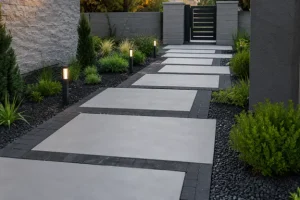
A clear, stable walkway makes a backyard feel more organized and functional. It is one of the most practical landscape ideas for connecting different areas of the yard, including the patio, garden, shed, pool, fire pit, gate, or outdoor kitchen while preventing worn tracks through the lawn.
Consider these walkway options:
- Natural flagstone
- Concrete pavers
- Brick
- Gravel with stepping stones
- Decomposed granite
- Permeable pavers
- Wood rounds in low-traffic garden settings
5. Refresh Mulch and Garden Edges
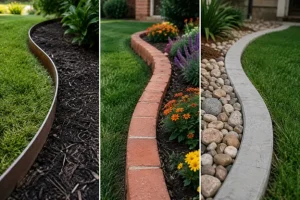
Fresh mulch is one of the fastest low-cost improvements a homeowner can make. It gives planting beds a clean, finished appearance while helping retain soil moisture, limit weeds, and regulate soil temperature.
Use mulch around:
- Trees
- Shrubs
- Perennial beds
- Vegetable gardens
- Mailbox-style garden features
- Pathway borders
- Foundation-adjacent planting areas
6. Add a Low-Maintenance Planting Bed
A well-designed planting bed can add color, texture, privacy, and seasonal interest. The key is choosing plants that suit the site rather than installing high-maintenance species that require constant replacement or watering.
For a low-maintenance backyard bed, combine:
- Evergreen shrubs for year-round structure
- Native or climate-adapted perennials
- Ornamental grasses
- Flowering shrubs
- Ground covers
- Mulch or gravel
- A small ornamental tree
Use a layered approach:
- Low plants along the front edge.
- Medium-height perennials and grasses in the middle.
- Taller shrubs or small trees at the back.
Avoid planting too close together. Give plants enough room to reach their mature size, which reduces overcrowding, disease pressure, and the need for aggressive pruning.
7. Plant a Shade Tree Strategically
A well-placed shade tree can improve comfort on patios and create a stronger long-term landscape framework. It can also add vertical interest, seasonal color, habitat, and privacy.
Choose a tree based on:
- Mature height and width
- Root behavior
- Soil moisture and drainage
- Utility lines
- Distance from structures
- Desired shade coverage
- Local climate and pests
- Maintenance needs
Avoid planting a large tree too close to a patio, septic system, foundation, utility line, or property boundary. Plan for its mature size, not the size of the nursery container.
8. Improve Drainage Before Winter
Drainage problems can reduce the usability and value of a backyard. Standing water, muddy lawn areas, eroded slopes, water near the foundation, and soggy paths should be addressed before adding decorative upgrades.
Common drainage improvements include:
- Regrading low areas
- Extending downspouts
- Installing a dry creek bed
- Adding a rain garden
- Using permeable pavers
- Creating shallow swales
- Adding French drains where appropriate
- Improving soil structure
- Directing runoff away from buildings
Do not install a French drain or change property grading without understanding where the water will go. Improper drainage work can direct water toward a home, neighboring property, or unstable slope.
9. Install Low-Voltage Landscape Lighting
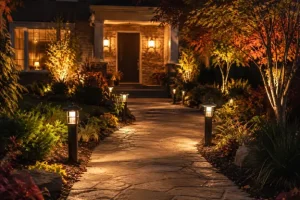
Early fall’s shorter days make outdoor lighting more useful. A few strategically placed lights can increase safety, improve atmosphere, and help homeowners enjoy patios, walkways, and garden areas after dark.
Use low-voltage lighting for:
- Garden paths
- Patio transitions
- Deck steps
- Fire-pit seating areas
- Mature trees
- Outdoor kitchens
- Water features
- Garden walls
- Gates
- Shed routes
Path lights, accent lights, and low-level step lights can enhance the beauty and usability of a property while making nighttime navigation easier.
10. Add a Pergola or Shade Structure
A pergola, arbor, gazebo, or shade sail can define an outdoor room and make a patio more comfortable during warm afternoons. It also adds vertical structure, which can make a flat backyard feel more complete.
A pergola can support:
- String lights
- Outdoor curtains
- Climbing plants
- Retractable shade fabric
- Hanging planters
- Outdoor fans
- Dining or lounge furniture
Choose materials that suit the climate and maintenance level:
- Cedar or redwood for natural warmth
- Aluminum for low maintenance
- Vinyl for easy upkeep
- Steel for modern designs
- Composite materials for durability
Make sure the structure is properly anchored and complies with local building codes. If it attaches to the home, professional installation may be necessary.
11. Create a Raised Garden Bed
Raised beds can add practical value for homeowners who enjoy growing vegetables, herbs, flowers, or cut flowers. They also create a neat, organized landscape feature that can be attractive even when the garden is not in peak production.
Use raised beds for:
- Fall vegetables
- Herbs
- Pollinator plants
- Cutting gardens
- Compact fruit plants
- Family gardening spaces
Locate beds where they receive appropriate sun and have convenient access to water. Keep them far enough from large trees to reduce root competition.
12. Add Privacy Planting or a Decorative Screen
Privacy can significantly improve a backyard’s comfort and usefulness. A screened patio or seating area can feel more like an outdoor retreat, especially in neighborhoods with close property lines.
Privacy options include:
- Evergreen shrubs
- Clumping bamboo where appropriate and non-invasive
- Arborvitae
- Tall ornamental grasses
- Trellises with vines
- Decorative wood screens
- Slatted metal panels
- Pergola curtains
- Hedges
- Layered planting
Avoid planting a single row of fast-growing shrubs too close together. Crowded plants can become unhealthy and require constant pruning. Instead, use a layered combination of evergreens, flowering shrubs, and grasses for a more natural and resilient screen.
13. Build a Small Retaining Wall or Seating Wall
A retaining wall can turn a sloped or awkward backyard into usable outdoor space. It is one of the landscape ideas that can create level planting beds, define patios, manage grade changes, and support drainage improvements.
A seating wall provides a similar visual benefit while adding flexible seating near patios, fire pits, or outdoor kitchens.
Good landscape materials for walls include:
- Segmental retaining-wall blocks
- Natural stone
- Concrete block with veneer
- Brick
- Cast concrete
- Large boulders for informal landscapes
Retaining walls require careful engineering when they are tall, support significant soil pressure, or sit near a structure. Drainage is essential behind any retaining wall. Water buildup can cause failure, bulging, or movement.
14. Upgrade a Backyard Lawn or Replace Problem Turf
A thin, weedy, compacted lawn can make even a nice backyard feel neglected. Early fall can be an appropriate time to improve cool-season turf or rethink problem areas.
Options include:
- Aerating compacted lawn
- Overseeding bare sections
- Repairing drainage problems
- Installing sod where appropriate
- Converting unused turf to planting beds
- Adding ground covers
- Installing a small gravel seating area
- Creating a native meadow-style zone
- Replacing lawn under dense shade with mulch and shade-tolerant plants
These landscape ideas can help reduce high-maintenance turf while creating more useful areas in the yard. Fall lawn care can include aerating, overseeding, and fertilizing, depending on the turf type and local climate.
15. Add Outdoor Storage That Blends Into the Landscape
Practical storage can add real everyday value to a backyard. A well-placed shed, storage bench, or deck box keeps tools, cushions, hoses, and garden supplies organized while reducing visible clutter.
Good storage solutions include:
- Small garden sheds
- Built-in bench storage
- Weatherproof deck boxes
- Screened utility enclosures
- Hose reels
- Firewood storage
- Potting benches with lower cabinets
Choose Landscape Materials That Last
Material selection has a major influence on both maintenance and long-term appeal. Cheap materials that fade, crack, shift, or deteriorate quickly can cost more in repairs than a well-installed durable option.
Landscape material | Best uses | Main advantage | Consideration |
Concrete pavers | Patios, walkways, fire-pit pads | Repairable and design-flexible | Needs a stable compacted base |
Natural stone | Paths, patios, walls, steps | Timeless appearance and durability | Higher material and labor cost |
Brick | Walkways,edging, patios | Classic style and easy replacement | May shift without proper base |
Gravel | Paths, seating zones, drainage areas | Affordable and permeable | Needs edging and periodic maintenance |
Mulch | Planting beds, tree rings | Low cost and soil benefits | Must be replenished |
Composite boards | Raised beds, decks, screens | Low-maintenance and rot-resistant | Higher upfront cost |
Wood | Pergolas, raised beds, seating | Warm, natural appearance | Needs maintenance and may rot |
Aluminum | Pergolas, screens, furniture | Lightweight and corrosion-resistant | Can look less traditional |
Segmental wall block | Retaining and seating walls | Strong, modular, consistent | Drainage and base prep are critical |
Natural stone, decorative rock, mulch, and gravel can each be used in pathways, patios, garden borders, and planting beds, with gravel often valued for affordability and low upkeep.
Create a Better Backyard with Landscape Ideas This Fall
The best landscape ideas for backyard spaces are not simply decorative—they make the property easier to use, safer to navigate, and more enjoyable in every season. Start with the highest-impact improvements: a functional patio, clear walkway, healthy planting beds, dependable drainage, outdoor lighting, and comfortable gathering space.
Ready to upgrade your outdoor space? Contact the experts at Hawkins Landscaping Inc. for a personalized landscape design plan tailored to your property, lifestyle, budget, and long-term goals.
With over 50 years of experience serving Frederick County and surrounding areas, Hawkins Landscaping Inc. can help you choose durable landscape materials, thoughtful plantings, functional walkways, patios, and other outdoor features that work together as one cohesive design.
Whether you’re planning a simple backyard refresh or a complete outdoor transformation, a clear project plan and professional installation can create a space that feels more valuable today and remains beautiful and functional for years to come.
Call (301) 898-3615 or visit hawkinslandscaping.com to schedule your consultation today. Ask about our flexible financing options and let Hawkins Landscaping Inc. turn your backyard vision into an outdoor space you’ll be proud to enjoy.